 Infosha
ეს ამბავი გადმოცემაა და ასე მოგითხრობთ. ნამდვილი ისტორია ქვემოთაა. This story is a legend and is told as one. The real history is below.
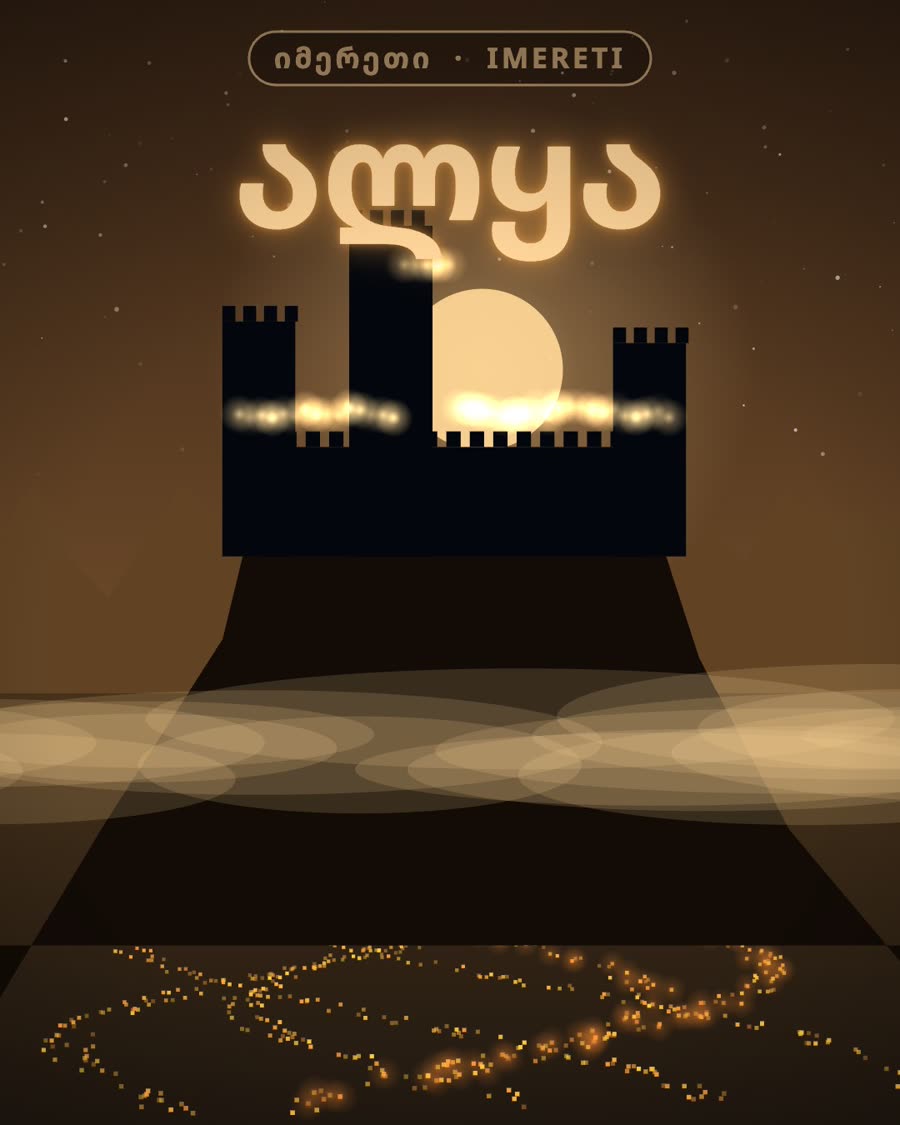
ჰყვებიან, იმერეთის ერთი ციხე მტერს მთელი ზაფხული ალყაში ჰქონდა. ციხეში პური გათავდა, ჭაში წყალი დაიწია, დამცველები კი კედლებზე ძლივს იდგნენ. მტერი არ ჩქარობდა: იცოდა, რომ შიმშილი მის მაგივრად იბრძოდა.
They say an enemy held a fortress in Imereti under siege for a whole summer. The bread inside ran out, the water in the well sank low, and the defenders could barely stand on the walls. The enemy was in no hurry: it knew hunger was fighting for it.
მაშინ ციხის ერთ-ერთმა დამცველმა, კვინიკაძემ, თქვა: „მტერს ხმლისა არ ეშინია, ჟამისა კი — ეშინია.“ იმ ღამით ციხეში დილამდე სამგლოვიარო ზარი რეკავდა. დილით ციხის კარი გაიღო და გარეთ ურემი გამოგორდა, თეთრი ტილოებით დაფარული „მკვდრებით“ სავსე. ყველაზე ზემოთ თავად კვინიკაძე იწვა, სახეზე ნაცარწასმული.
Then one of the defenders, a Kvinikadze, said: “The enemy does not fear the sword, but it fears the plague.” That night the funeral bell tolled in the fortress until dawn. In the morning the gate opened and a cart rolled out, loaded with “dead” under white sheets. On top of them lay Kvinikadze himself, his face smeared with ash.
ურემს მტრის მხედრები შემოეხვივნენ. სარდალმა არ დაიჯერა: შუბის წვერით ტილო გადასწია და წვერი კვინიკაძეს მკერდზე მიაბჯინა. კვინიკაძე არ განძრეულა. თვალიც არ დაუხამხამებია. ციხის კედლიდან ქალები მოთქვამდნენ — ნამდვილად, ხმამაღლა, რადგან თავადაც არ იცოდნენ, ცოცხალი იყო თუ არა.
Enemy riders surrounded the cart. The commander did not believe it: with the tip of his spear he pulled back a sheet and pressed the point against Kvinikadze’s chest. Kvinikadze did not move. He did not even blink. On the fortress wall the women were wailing, truly wailing, out loud, because they themselves did not know whether he was alive.

„ჟამი!“ — დაიყვირა ვიღაცამ მტრის რიგებში. სარდალი უკან გახტა, ცხენი მოაბრუნა და შუადღისთვის ალყა მოხსნილი იყო: მტრის ლაშქარი ისე გარბოდა, რომ კარვებიც კი მიატოვა. როცა უკანასკნელი მხედარი ხეობაში მიიმალა, კვინიკაძე ურემზე წამოჯდა, სახიდან ნაცარი ჩამოიწმინდა და თქვა: „ახლა კი — პური.“ მიტოვებულ ბანაკში ციხეს მთელი ზამთრის სანოვაგე დახვდა.
“Plague!” someone cried in the enemy ranks. The commander sprang back and turned his horse, and by noon the siege was over: the enemy army fled so fast that it even left its tents behind. When the last rider had vanished down the valley, Kvinikadze sat up in the cart, wiped the ash from his face and said: “And now, bread.” In the abandoned camp the fortress found food enough for the whole winter.

შენ კვინიკაძე ხარ. სიკვდილსაც კი მოატყუებ.
You are a Kvinikadze. You can fool death itself.
„-ძე“ ძეს, ანუ შვილს ნიშნავს. ასეთი გვარები ყველაზე ხშირია დასავლეთ საქართველოში.
“-dze” means son. Such surnames are most common in western Georgia.
ძველ ქართულში „ჟამი“ ეპიდემიას, შავ ჭირს ნიშნავდა; აქედანაა სიტყვა „ჟამიანობაც“.
In old Georgian the word “zhami” meant plague; hence “zhamianoba”, a time of pestilence.
როგორია კვინიკაძეების გვარის ისტორია?
„-ძე“ ძეს, ანუ შვილს ნიშნავს. ასეთი გვარები ყველაზე ხშირია დასავლეთ საქართველოში. ძველ ქართულში „ჟამი“ ეპიდემიას, შავ ჭირს ნიშნავდა; აქედანაა სიტყვა „ჟამიანობაც“.
What is the history of the Kvinikadze surname?
“-dze” means son. Such surnames are most common in western Georgia. In old Georgian the word “zhami” meant plague; hence “zhamianoba”, a time of pestilence.
როგორ ვიპოვო კვინიკაძის ტელეფონის ნომერი?
ჩამოტვირთე Infosha და აკრიფე სახელი და გვარი, მაგალითად „გიორგი კვინიკაძე“ — შედეგში ტელეფონის ნომერს ნახავ. ძებნა დააზუსტე ქალაქით და პროფესიით. თუ ადამიანი ჯერ არ ჩანს ძებნის შედეგებში, სცადე სხვა დაწერილობაც: Kvinikadze, Квиникадзе.
How do I find the phone number of someone named Kvinikadze?
Download Infosha and type the first name and the surname, for example “Giorgi Kvinikadze”, and the result shows the phone number. Narrow it down by city and profession. If the person is not in the search results yet, try another spelling: Kvinikadze, Квиникадзе.
როგორ იწერება კვინიკაძე ლათინურად და რუსულად?
ლათინურად — Kvinikadze, რუსულად — Квиникадзе.
How is კვინიკაძე written in Latin letters and in Russian?
In Latin letters it is Kvinikadze; in Russian, Квиникадзе.
ამბავი და ვიდეო — Infosha-სგან · Story and video by Infosha