 Infosha
ეს ამბავი გადმოცემაა და ასე მოგითხრობთ. ნამდვილი ისტორია ქვემოთაა. This story is a legend and is told as one. The real history is below.
ამბობენ, ერთ დილას მტრის ლაშქარი ვიწრო ხეობაში შემოვიდა. წინ, თეთრ ცხენზე, მედროშე მიდიოდა — მთელ ლაშქარში ყველაზე მაღალი და ყველაზე ამაყი. დროშა მისი ჯარისთვის ყველაფერი იყო: სანამ ის ფრიალებდა, ლაშქარი წინ მიიწევდა.
They say that one morning an enemy army marched into a narrow valley. At its head, on a white horse, rode the banner-bearer, the tallest and proudest man in the whole army. To his army the banner was everything: as long as it flew, the army marched on.

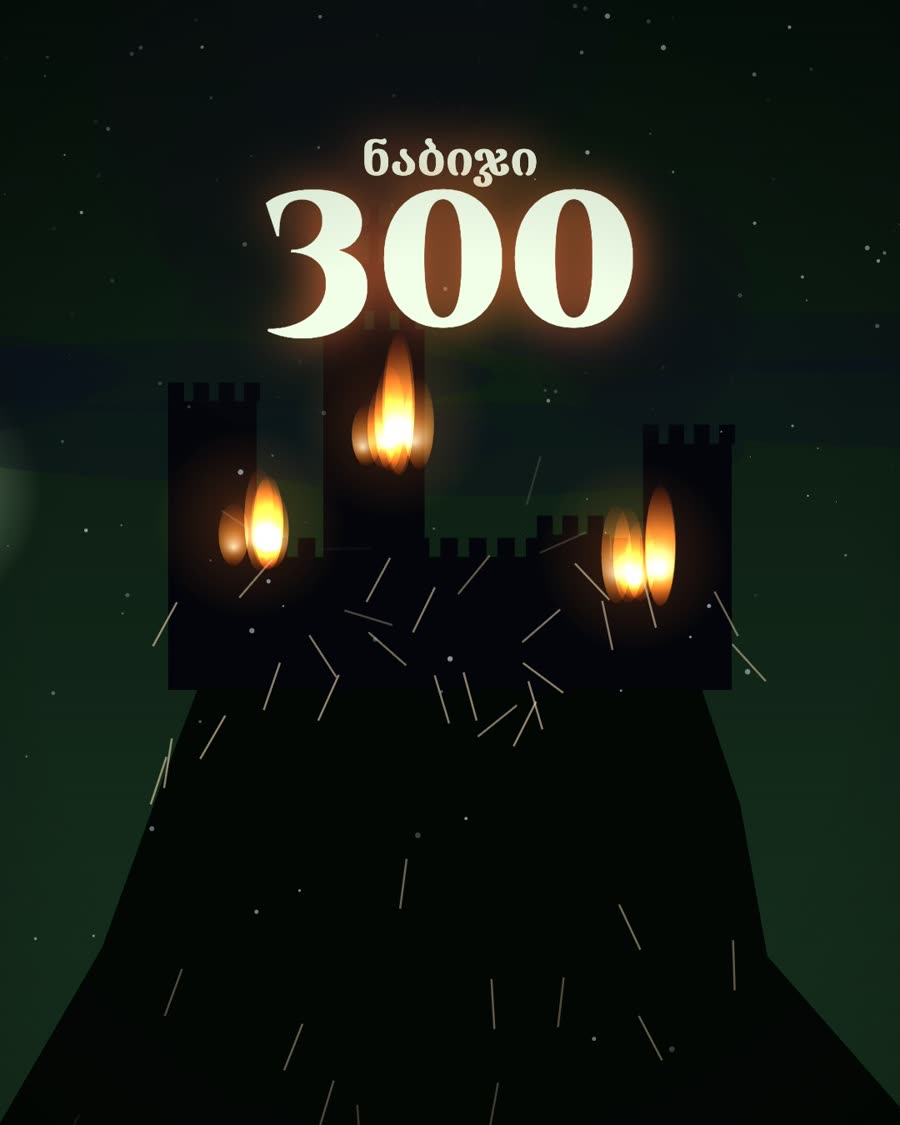
ხეობის თავზე, კლდის ქიმზე, ახალგაზრდა მწყემსი ცაცანიძე იდგა ფარასთან ერთად. მას არც ხმალი ჰქონდა, არც მშვილდი — მხოლოდ შურდული, რომლითაც ბავშვობიდან მგლებს აფრთხობდა და ორასი ნაბიჯიდან ფიჭვის კენწეროდან გირჩს ჩამოაგდებდა. მედროშე სამასი ნაბიჯის მოშორებით იყო. ასე შორს არავის ესროლა.
Above the valley, on a jutting rock, stood a young shepherd, a Tsatsanidze, with his flock. He had no sword and no bow: only a sling, with which he had scared off wolves since he was a boy, and with which he could knock a pine cone from a treetop at two hundred paces. The banner-bearer was three hundred paces away. No one had ever thrown that far.
ცაცანიძემ ნაკადულიდან მრგვალი, გლუვი ქვა ამოარჩია, შურდული სამჯერ თავს ზემოთ დაატრიალა და გაუშვა. ქვამ ისისინა, ხეობას გადაუფრინა და მედროშეს მუზარადში მოხვდა. მედროშე ცხენიდან გადმოვარდა, დროშა მდინარეში ჩავარდა და დინებამ წაიღო.
Tsatsanidze picked a round, smooth stone from the stream, whirled the sling three times over his head and let go. The stone whistled across the valley and struck the banner-bearer’s helmet. He tumbled from his horse, the banner fell into the river, and the current carried it away.
მთელი ლაშქარი შედგა. ვერავინ მიხვდა, საიდან მოფრინდა ქვა — კლდეებზე ფარის მეტი არაფერი ჩანდა. მტრის მეომრებმა ჩაიჩურჩულეს: „ამ ხეობაში თვით მთები გვესვრიან.“ ლაშქარი უკან გაბრუნდა და იმ დღეს ხეობის სოფლებს ერთი ისარიც არ მოხვედრია.
The whole army stopped dead. No one could tell where the stone had come from: up on the rocks there was nothing to be seen but a flock of sheep. The enemy warriors whispered: “In this valley the mountains themselves are throwing stones at us.” The army turned back, and that day not a single arrow fell on the villages of the valley.

შენ ცაცანიძე ხარ. შენი ქვა ისარს უსწრებს.
You are a Tsatsanidze. Your stone outflies the arrow.
„-ძე“ ძეს, ანუ შვილს ნიშნავს. ასეთი გვარები ყველაზე ხშირია დასავლეთ საქართველოში.
“-dze” means son. Such surnames are most common in western Georgia.
როგორია ცაცანიძეების გვარის ისტორია?
„-ძე“ ძეს, ანუ შვილს ნიშნავს. ასეთი გვარები ყველაზე ხშირია დასავლეთ საქართველოში.
What is the history of the Tsatsanidze surname?
“-dze” means son. Such surnames are most common in western Georgia.
როგორ ვიპოვო ცაცანიძის ტელეფონის ნომერი?
ჩამოტვირთე Infosha და აკრიფე სახელი და გვარი, მაგალითად „ლუკა ცაცანიძე“ — შედეგში ტელეფონის ნომერს ნახავ. ძებნა დააზუსტე ქალაქით და პროფესიით. თუ ადამიანი ჯერ არ ჩანს ძებნის შედეგებში, სცადე სხვა დაწერილობაც: Tsatsanidze, Cacanidze, Цацанидзе.
How do I find the phone number of someone named Tsatsanidze?
Download Infosha and type the first name and the surname, for example “Luka Tsatsanidze”, and the result shows the phone number. Narrow it down by city and profession. If the person is not in the search results yet, try another spelling: Tsatsanidze, Cacanidze, Цацанидзе.
როგორ იწერება ცაცანიძე ლათინურად და რუსულად?
ლათინურად — Tsatsanidze (ტელეფონზე ხშირად ასეც წერენ: Cacanidze), რუსულად — Цацанидзе.
How is ცაცანიძე written in Latin letters and in Russian?
In Latin letters it is Tsatsanidze (people also type Cacanidze); in Russian, Цацанидзе.
ამბავი და ვიდეო — Infosha-სგან · Story and video by Infosha