 Infosha
ეს ამბავი გადმოცემაა და ასე მოგითხრობთ. ნამდვილი ისტორია ქვემოთაა. This story is a legend and is told as one. The real history is below.
ამბობენ, ძველ კოლხეთში, წმინდა ტყის შუაგულში, უზარმაზარ მუხაზე ოქროს საწმისი ეკიდა. კოლხებს სჯეროდათ: სანამ საწმისი ბრწყინავს, მათ მიწას ბედი არ უღალატებს.
They say that in ancient Colchis, deep in a sacred forest, the Golden Fleece hung on a giant oak. The Colchians believed that while the Fleece shone, fortune would never abandon their land.

ერთ ღამეს ცა გაიპო, ელვა მუხას დაეცა და ტყე ცეცხლის ზღვად იქცა. ყველა გაიქცა. მხოლოდ ერთი ჭაბუკი, ჭანტურია, შევარდა ალში — იქ, სადაც საწმისი ბრწყინავდა.
One night the sky split open, lightning struck the oak, and the forest became a sea of fire. Everyone ran. Only one young man, a Chanturia, ran into the flames, to where the Fleece was shining.
საწმისი ცეცხლიდან გამოიტანა და მდინარეში ჩაეშვა, რომ ალი ჩაექრო. ამბობენ, იმ ღამის შემდეგ მის ხელებს ოქროს ნაპერწკლები შერჩა და აღარასოდეს ჩამქრალა.
He carried the Fleece out of the fire and plunged into the river to put out the flames. They say that after that night sparks of gold stayed on his hands and never faded.
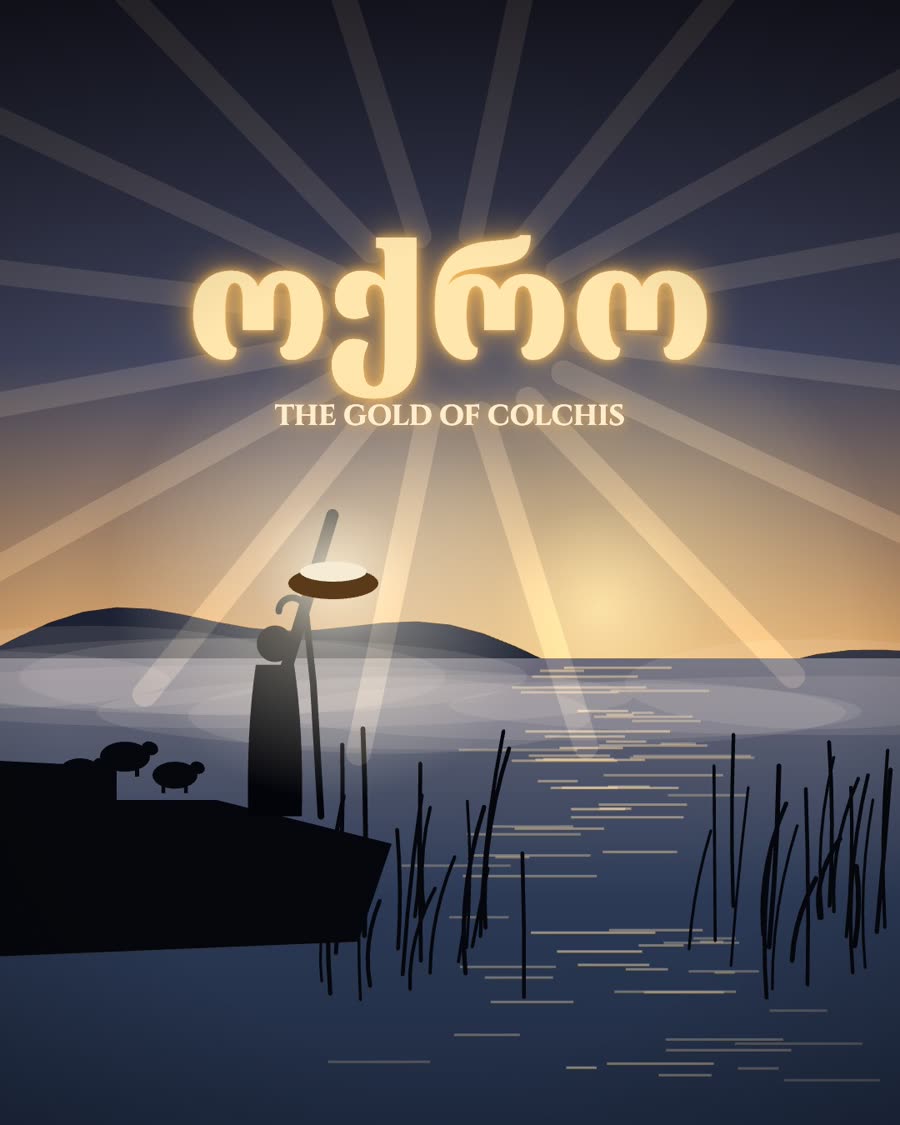
მდინარემ კი ოქრო თან წაიღო და მთელ კოლხეთს მოჰფინა. ამიტომაა, ამბობენ, რომ კოლხეთის მდინარეები ოქროს ქვიშას მოატარებდნენ, ჭანტურიებს კი ოქროს ხელები აქვთ.
And the river carried the gold away and spread it through all of Colchis. That, they say, is why the rivers of Colchis carried golden sand, and why the Chanturias have golden hands.
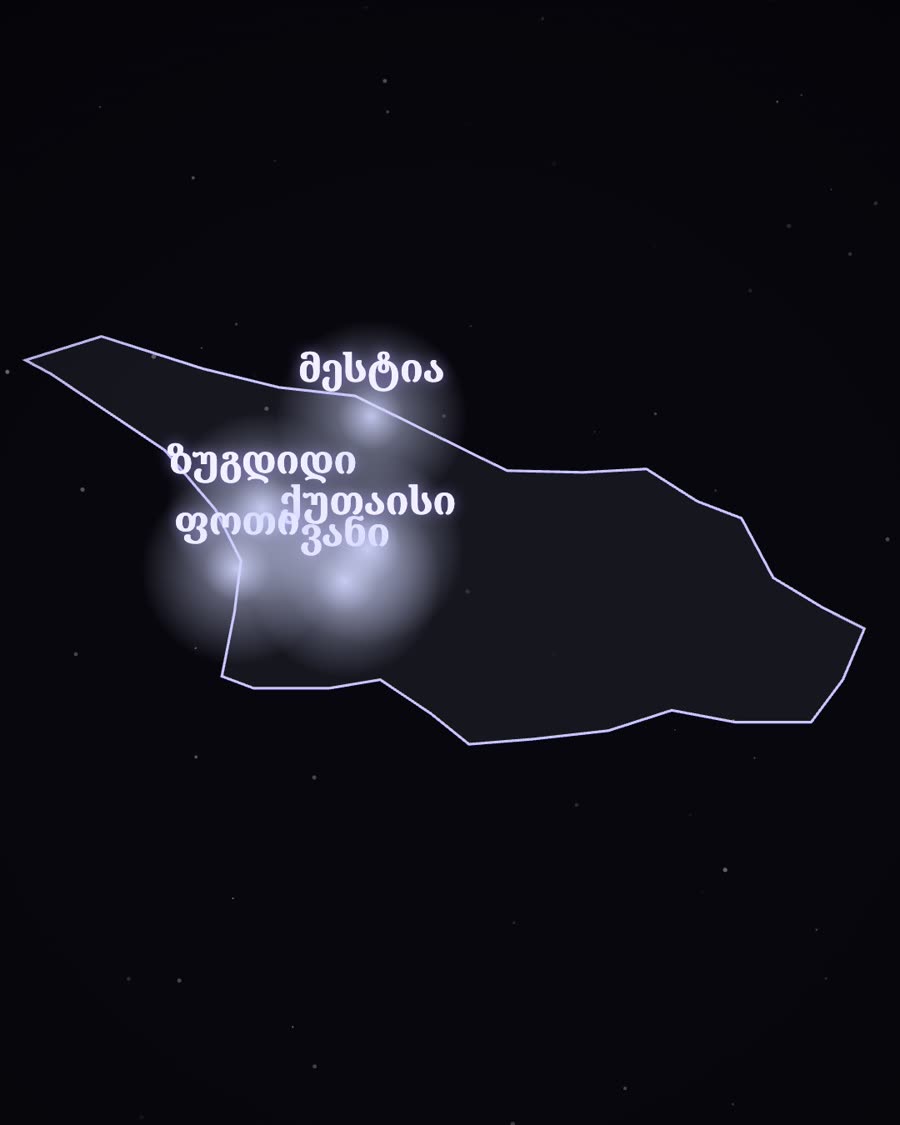
შენ ჭანტურია ხარ. შენ ოქროს ხელები გაქვს.
You are a Chanturia. You have golden hands.
„-ია“ მეგრული გვარების დაბოლოებაა.
“-ia” is a typical ending of Megrelian surnames.
ძველი ბერძნები დასავლეთ საქართველოს კოლხეთს უწოდებდნენ. ოქროს საწმისის მითის მოქმედება სწორედ აქ, ფასისის — დღევანდელი რიონის — ქვეყანაში ვითარდება.
The ancient Greeks called western Georgia Colchis. The myth of the Golden Fleece is set here, in the land of the Phasis, today’s Rioni.
ბერძენი გეოგრაფი სტრაბონი წერდა, რომ კავკასიის მთის მდინარეებს ოქრო ჩამოჰქონდათ და ადგილობრივები მას ბეწვიანი ტყავებით იჭერდნენ.
The Greek geographer Strabo wrote that the mountain torrents of the Caucasus carried gold down, and that the local people caught it with fleeces.
ვანის ნაქალაქარზე ნაპოვნი კოლხური ოქროს სამკაულები ძვ. წ. V–IV საუკუნეებით თარიღდება.
The Colchian gold jewellery found at Vani dates from the 5th–4th centuries BC.
აკაკი ჭანტურია (1881–1949) — მეცნიერი, არქეოლოგი და ეთნოგრაფი; ზუგდიდში დადიანების სასახლეთა მუზეუმი დააარსა.
Akaki Chanturia (1881–1949): scientist, archaeologist and ethnographer; he founded the Dadiani Palaces Museum in Zugdidi.
როგორია ჭანტურიების გვარის ისტორია?
„-ია“ მეგრული გვარების დაბოლოებაა. ძველი ბერძნები დასავლეთ საქართველოს კოლხეთს უწოდებდნენ. ოქროს საწმისის მითის მოქმედება სწორედ აქ, ფასისის — დღევანდელი რიონის — ქვეყანაში ვითარდება.
What is the history of the Chanturia surname?
“-ia” is a typical ending of Megrelian surnames. The ancient Greeks called western Georgia Colchis. The myth of the Golden Fleece is set here, in the land of the Phasis, today’s Rioni.
ჭანტურიების ეს ამბავი ნამდვილია?
ეს გადმოცემაა და ასეც მოგითხრობთ. ნამდვილი ისტორია – თარიღები, ადგილები და ადამიანები – ამ გვერდზე, ვიდეოს ქვემოთაა.
Is this Chanturia story true?
It is a legend and is told as one. The real history, with its dates, places and people, is on this page below the video.
როგორ გავუგზავნო ეს ვიდეო ყველა ჭანტურიას?
დააჭირე „გაზიარებას“ ამ გვერდზე ან ჩამოტვირთე ვიდეო და გაუგზავნე Facebook-ზე, Telegram-ში ან WhatsApp-ში.
How do I send this video to every Chanturia I know?
Tap Share on this page, or download the video and send it on Facebook, Telegram or WhatsApp.
ამბავი და ვიდეო — Infosha-სგან · Story and video by Infosha