 Infosha
ეს ამბავი გადმოცემაა და ასე მოგითხრობთ. ნამდვილი ისტორია ქვემოთაა. This story is a legend and is told as one. The real history is below.
ამბობენ, ეს კახეთის ერთ მთის ციხეში მოხდა, როცა კაცები შორს, ლაშქარში იყვნენ. ციხეში ქალები, მოხუცები და ბავშვები დარჩნენ. ერთ დილას კლდის ძირში მტრის მშვილდოსნები დაბანაკდნენ და ციხეს ისრები დაუშინეს.
They say it happened in a mountain fortress of Kakheti, while the men were far away with the army. Only women, old people and children were left inside. One morning enemy archers camped at the foot of the cliff and began to rain arrows on the fortress.

ისრები კედლის ყოველ ჭრილს პოულობდნენ. მაშინ ჭეიშვილების უფროსმა ქალმა ციხის ყველა ფარი შეაგროვა. მთელი დილა ქალები ფარებს ქვიშითა და ნაცრით ხეხავდნენ, სანამ თითოეული სარკესავით არ აბრჭყვიალდა.
The arrows found every slit in the wall. Then the eldest of the Cheishvili women gathered every shield in the fortress. All morning the women scrubbed them with sand and ash, until each one shone like a mirror.
შუადღისას, როცა მზე ციხის თავზე დადგა, ქალები ერთად ავიდნენ კედელზე და ფარები ხეობისკენ მიაბრუნეს. კედელზე ასი მზე აენთო. მშვილდოსნებმა თვალები ხელით აიფარეს, ისრები ბრმად ისროლეს — და ყველა ცაში დაიკარგა.
At noon, when the sun stood right above the fortress, the women climbed the wall together and turned their shields toward the valley. A hundred suns blazed on the wall. The archers threw their hands over their eyes and shot blind, and every arrow was lost in the sky.

ასე გაგრძელდა დღე დღეზე: ყოველ შუადღეს ციხე მტერს მზეს ესროდა. მეშვიდე დღეს მტერმა ბანაკი აკრიფა და წავიდა. იმავე საღამოს კაცები შინ დაბრუნდნენ და ციხე ისე დახვდათ, როგორც დატოვეს — ყველა ცოცხალი.
So it went, day after day: every noon the fortress hurled the sun at the enemy. On the seventh day the enemy struck camp and left. That same evening the men came home and found the fortress just as they had left it, everyone alive.
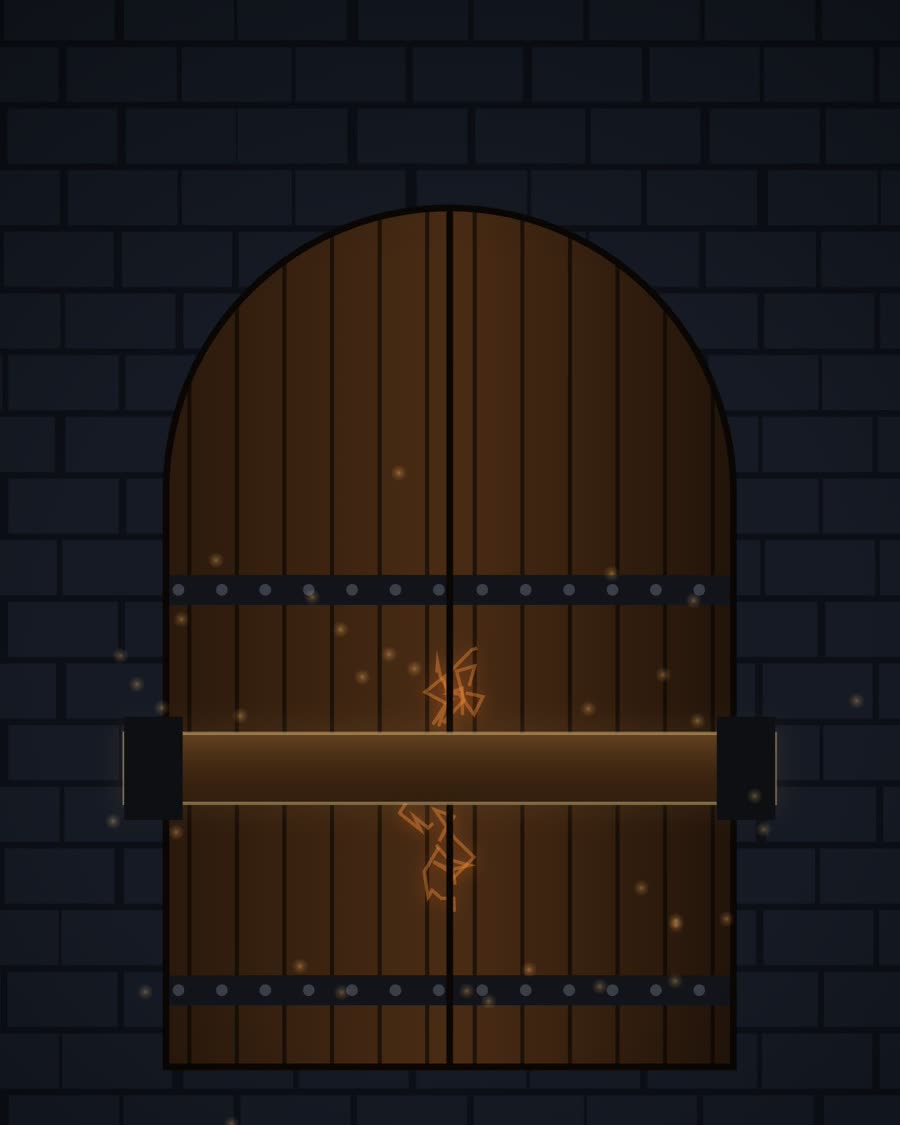
შენ ჭეიშვილი ხარ. შენი შუადღე მტრის შუაღამეა.
You are a Cheishvili. Your noon is the enemy's midnight.
„-შვილი“ შვილს ნიშნავს. ასეთი გვარები ყველაზე ხშირია აღმოსავლეთ საქართველოში — ქართლსა და კახეთში.
“-shvili” means child. Such surnames are most common in eastern Georgia, in Kartli and Kakheti.
კახეთი საქართველოს უკიდურესი აღმოსავლეთი მხარეა, ალაზნის ველითა და კავკასიონის კალთებით.
Kakheti is the easternmost region of Georgia, the land of the Alazani valley and the slopes of the Greater Caucasus.
როგორია ჭეიშვილების გვარის ისტორია?
„-შვილი“ შვილს ნიშნავს. ასეთი გვარები ყველაზე ხშირია აღმოსავლეთ საქართველოში — ქართლსა და კახეთში. კახეთი საქართველოს უკიდურესი აღმოსავლეთი მხარეა, ალაზნის ველითა და კავკასიონის კალთებით.
What is the history of the Cheishvili surname?
“-shvili” means child. Such surnames are most common in eastern Georgia, in Kartli and Kakheti. Kakheti is the easternmost region of Georgia, the land of the Alazani valley and the slopes of the Greater Caucasus.
როგორ ვიპოვო ჭეიშვილის ტელეფონის ნომერი?
ჩამოტვირთე Infosha და აკრიფე სახელი და გვარი, მაგალითად „დავით ჭეიშვილი“ — შედეგში ტელეფონის ნომერს ნახავ. ძებნა დააზუსტე ქალაქით და პროფესიით. თუ ადამიანი ჯერ არ ჩანს ძებნის შედეგებში, სცადე სხვა დაწერილობაც: Cheishvili, Tcheishvili, Чеишвили.
How do I find the phone number of someone named Cheishvili?
Download Infosha and type the first name and the surname, for example “Davit Cheishvili”, and the result shows the phone number. Narrow it down by city and profession. If the person is not in the search results yet, try another spelling: Cheishvili, Tcheishvili, Чеишвили.
როგორ იწერება ჭეიშვილი ლათინურად და რუსულად?
ლათინურად — Cheishvili (ტელეფონზე ხშირად ასეც წერენ: Tcheishvili), რუსულად — Чеишвили.
How is ჭეიშვილი written in Latin letters and in Russian?
In Latin letters it is Cheishvili (people also type Tcheishvili); in Russian, Чеишвили.
ამბავი და ვიდეო — Infosha-სგან · Story and video by Infosha