 Infosha
ეს ამბავი გადმოცემაა და ასე მოგითხრობთ. ნამდვილი ისტორია ქვემოთაა. This story is a legend and is told as one. The real history is below.
სვანები ძველად ამბობდნენ, რომ მთის ნადირი — ჯიხვი, არჩვი, ირემი — დალისაა, ნადირობის ქალღმერთისა, რომელიც მაღლა, კლდეებში, მიუვალ მღვიმეში ცხოვრობს. დალი მონადირეს მხოლოდ იმდენს აძლევს, რამდენიც სჭირდება: ვინც იმაზე მეტს მოკლავს, ვიდრე წაღებას შეძლებს, მთიდან ვეღარ ბრუნდება.
The Svans used to say that the wild beasts of the mountains, the ibex, the chamois and the deer, belong to Dali, the goddess of the hunt, who lives high among the cliffs in a cave no one can reach. Dali grants a hunter only as much as he needs: whoever kills more than he can carry does not come back down the mountain.

ამბობენ, ერთხელ ახალგაზრდა მონადირე მაჭავარიანი — ჯერ კიდევ მაშინ, როცა მისი გვარი სვანეთში ცხოვრობდა, იმერეთში გადასახლებამდე დიდი ხნით ადრე — დიდხანს მისდევდა ჯიხვს. კლდის ქიმზე რომ მიუახლოვდა და მშვილდი მოზიდა, დაინახა: ჯიხვს გვერდით პაწია ციკანი ეკვროდა, დედას კი რქებზე ოქროსფერი ბზინვარება ედო. მაჭავარიანმა მშვილდი დაუშვა. „წადი, — უთხრა. — შენი შვილი შენ გჭირდება.“ ჯიხვმა უკან მოიხედა და კლდეში გაუჩინარდა.
They say that once a young hunter, a Machavariani, back when his family still lived in Svaneti, long before it settled in Imereti, stalked an ibex for a long time. When he came close to it on a ledge and drew his bow, he saw a tiny kid pressed against its side, and a golden gleam on the mother’s horns. Machavariani lowered his bow. “Go,” he told her. “Your child needs you.” The ibex looked back at him once and vanished among the rocks.
წლები გავიდა. ერთხელ სვანეთში ისეთი ზამთარი დადგა, რომელიც აღარ მთავრდებოდა. მარტი გავიდა, აპრილიც, თოვლი კი ისევ კოშკების სიმაღლეზე იდო. შეშა გათავდა, თივა გათავდა, ფქვილიღა ფსკერზე იყო. მოხუცები ამბობდნენ: კიდევ ერთი კვირა — და სოფელი აღარ იქნება.
Years went by. Then a winter came to Svaneti that would not end. March passed, then April, and still the snow lay as high as the towers. The firewood ran out, the hay ran out, and only a little flour was left at the bottom of the bins. The old people said: one more week, and there will be no village left.
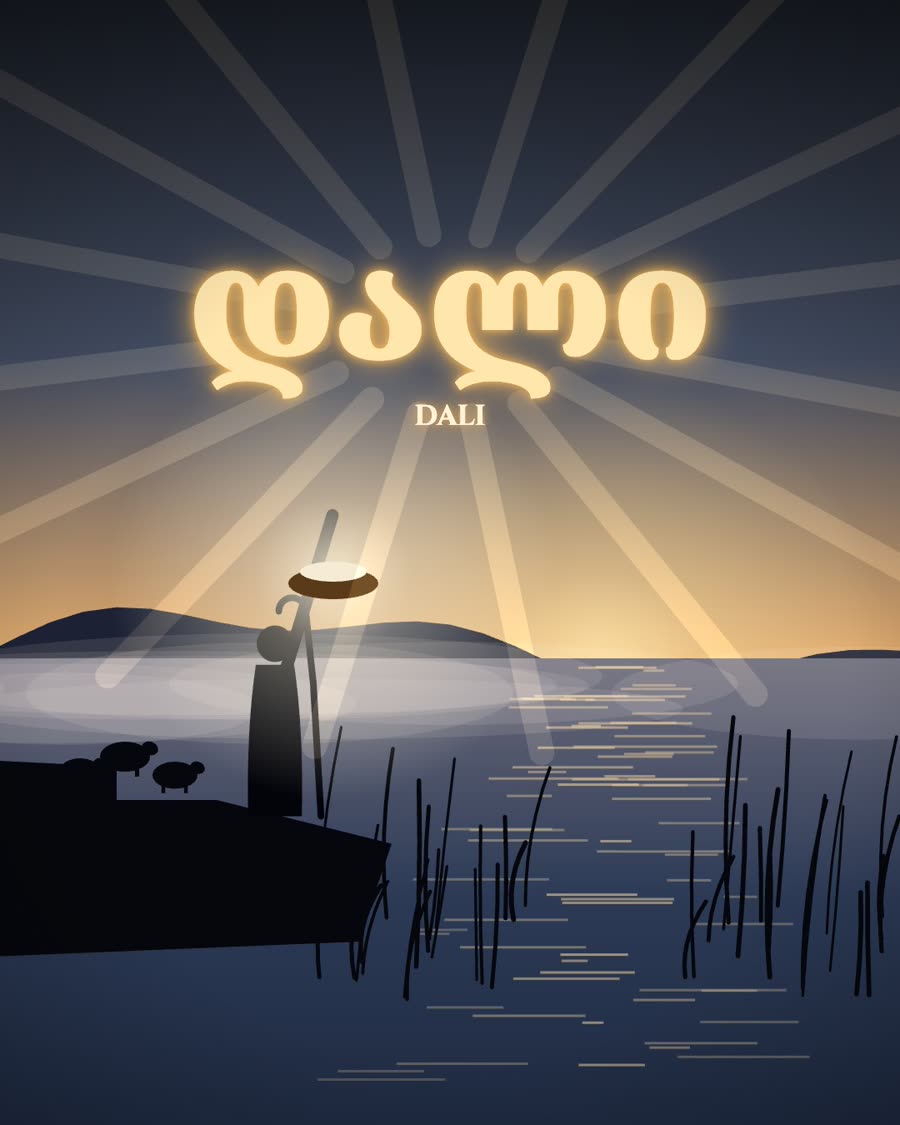
მაშინ დაბერებულმა მაჭავარიანმა ძველი მშვილდი კედელზე ჩამოკიდა, ქურქი მოიცვა და მთისკენ გაემართა — იმ კლდისკენ, სადაც ერთხელ ოქროსრქიანმა ჯიხვმა უკან მოიხედა. „დალი, — თქვა მან მღვიმის წინ, — ერთხელ შენი შვილი შევიწყალე. ახლა შენ შეიწყალე ჩემები. წამიყვანე მე, სოფელს კი გაზაფხული მიეცი.“ იმ ღამით სოფლიდან დაინახეს, როგორ აინთო მწვერვალზე ოქროსფერი შუქი.
Then Machavariani, an old man now, hung his old bow on the wall, pulled on his coat and set off up the mountain, toward the ledge where the ibex with the golden horns had once looked back at him. “Dali,” he said before her cave, “once I spared your child. Now you spare mine. Take me, and give the village its spring.” That night the village saw a golden light kindle on the summit.
დილით მთიდან თბილმა ქარმა დაუბერა. სახურავებიდან წვეთებმა დაიწყეს, ხევებში ნაკადულები ახმაურდა, და შუადღისთვის კოშკებს შორის პირველი შავი მიწა გამოჩნდა. მაჭავარიანი აღარ დაბრუნებულა. ამბობენ, ზაფხულში მონადირეებმა იმ კლდეზე მისი ქურქი იპოვეს — ყვავილებით დაფარული, გვერდით კი ოქროსრქიანი ჯიხვი იდგა.
In the morning a warm wind blew down from the mountain. Water began to drip from the roofs, the streams roared in the gullies, and by noon the first dark earth showed between the towers. Machavariani never came back. They say that in summer hunters found his coat on that ledge, covered in flowers, and beside it stood an ibex with golden horns.
შენ მაჭავარიანი ხარ. გაზაფხული სიცოცხლით იყიდე.
You are a Machavariani. You bought the spring with your life.
მაჭავარიანები დასავლეთ საქართველოს ძველი აზნაურული გვარია. გადმოცემით, ისინი სვანეთიდან მოვიდნენ და ზემო იმერეთში დასახლდნენ.
The Machavarianis are an old noble family of western Georgia. By tradition they came from Svaneti and settled in Upper Imereti.
დალი ქართულ, უპირველესად სვანურ, მითოლოგიაში ნადირობის ქალღმერთია, მთის ნადირის — ჯიხვის, არჩვისა და ირმის — მფარველი. მონადირეებს ასწავლიდნენ, რომ იმაზე მეტი ნადირი არ მოეკლათ, ვიდრე წაღებას შეძლებდნენ.
Dali is the goddess of the hunt in Georgian, above all Svan, mythology, the guardian of wild mountain animals such as the ibex, the chamois and the deer. Hunters were taught never to kill more than they could carry.
ალექსანდრე მაჭავარიანი (1913–1995) — კომპოზიტორი და დირიჟორი, ბალეტ „ოტელოს“ ავტორი.
Aleksandre Machavariani (1913–1995): composer and conductor, author of the ballet “Othello”.
მუხრან მაჭავარიანი (1929–2010) — პოეტი.
Mukhran Machavariani (1929–2010): poet.
როგორია მაჭავარიანების გვარის ისტორია?
მაჭავარიანები დასავლეთ საქართველოს ძველი აზნაურული გვარია. გადმოცემით, ისინი სვანეთიდან მოვიდნენ და ზემო იმერეთში დასახლდნენ. დალი ქართულ, უპირველესად სვანურ, მითოლოგიაში ნადირობის ქალღმერთია, მთის ნადირის — ჯიხვის, არჩვისა და ირმის — მფარველი. მონადირეებს ასწავლიდნენ, რომ იმაზე მეტი ნადირი არ მოეკლათ, ვიდრე წაღებას შეძლებდნენ.
What is the history of the Machavariani surname?
The Machavarianis are an old noble family of western Georgia. By tradition they came from Svaneti and settled in Upper Imereti. Dali is the goddess of the hunt in Georgian, above all Svan, mythology, the guardian of wild mountain animals such as the ibex, the chamois and the deer. Hunters were taught never to kill more than they could carry.
მაჭავარიანების ეს ამბავი ნამდვილია?
ეს გადმოცემაა და ასეც მოგითხრობთ. ნამდვილი ისტორია – თარიღები, ადგილები და ადამიანები – ამ გვერდზე, ვიდეოს ქვემოთაა.
Is this Machavariani story true?
It is a legend and is told as one. The real history, with its dates, places and people, is on this page below the video.
როგორ გავუგზავნო ეს ვიდეო ყველა მაჭავარიანს?
დააჭირე „გაზიარებას“ ამ გვერდზე ან ჩამოტვირთე ვიდეო და გაუგზავნე Facebook-ზე, Telegram-ში ან WhatsApp-ში.
How do I send this video to every Machavariani I know?
Tap Share on this page, or download the video and send it on Facebook, Telegram or WhatsApp.
ამბავი და ვიდეო — Infosha-სგან · Story and video by Infosha