 Infosha
ეს ამბავი გადმოცემაა და ასე მოგითხრობთ. ნამდვილი ისტორია ქვემოთაა. This story is a legend and is told as one. The real history is below.
ამბობენ, კახეთში, ერთი ხევის ორ ნაპირას, ორი სოფელი იდგა, რომლებიც ორმოცი წელი ერთმანეთს სისხლს იღებდნენ. ის, რაც ერთ ქორწილში, ერთი ცხელი სიტყვით დაიწყო, ათეულ საფლავად იქცა. გასულ ზამთარს ამ მტრობამ სოფლის ნაცვლის, მოხუცი ნაცვლიშვილის, ერთადერთი ვაჟიც იმსხვერპლა.
They say that in Kakheti, on the two banks of one ravine, stood two villages that had been locked in a blood feud for forty years. What began at a wedding, with one hot word, had become dozens of graves. Last winter the feud had taken the only son of the village elder, the natsvali, old Natsvlishvili.
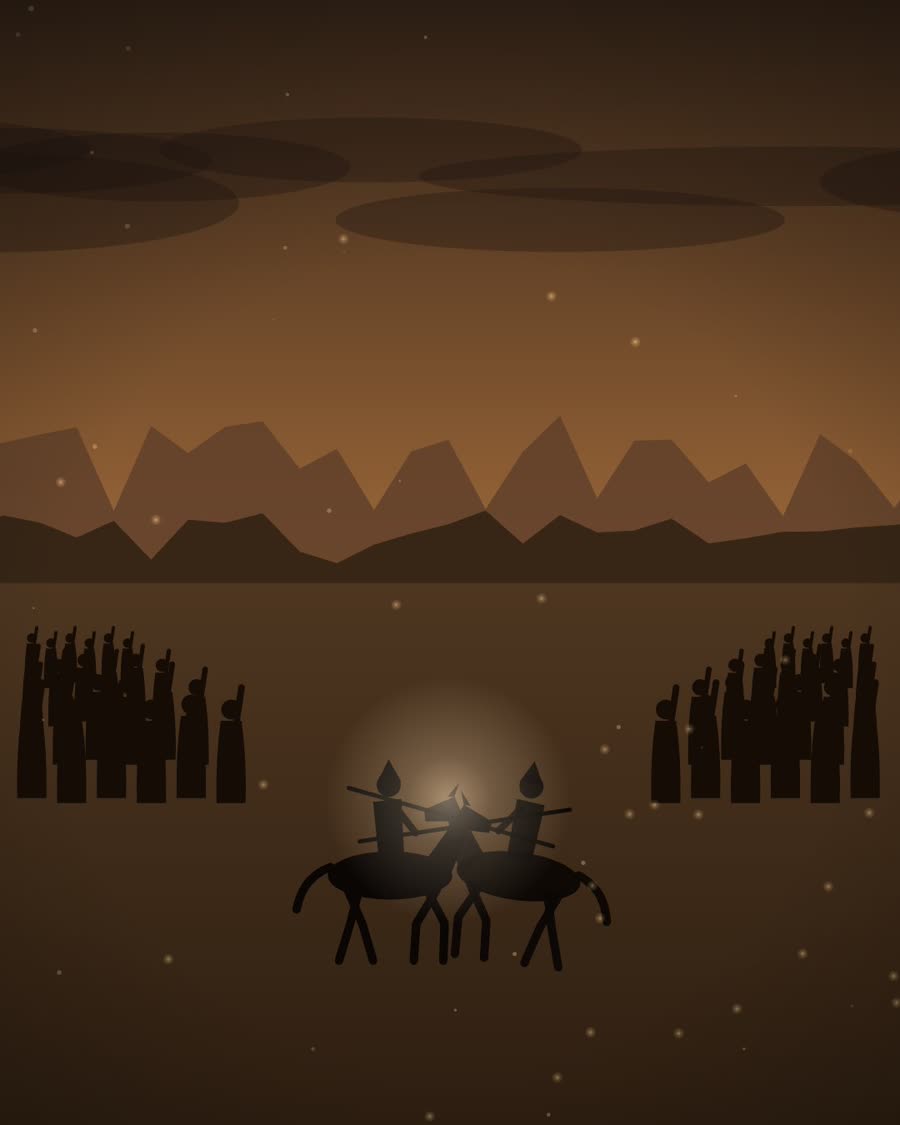
და სწორედ მაშინ მოვიდა ამბავი: დიდი მტერი მოდის და ორივე სოფელს ერთად გადაუვლის. ცალ-ცალკე ვერცერთი ვერ გადარჩებოდა. მაგრამ ვინ გადადგამდა პირველ ნაბიჯს, როცა ორივე მხარეს ყველა სახლში გლოვა იყო?
And just then the news came: a great enemy was coming and would sweep over both villages at once. Neither could survive alone. But who would take the first step, when there was mourning in every house on both sides?
იმ ღამით ნაცვლიშვილი უიარაღოდ, ხელში პურითა და ღვინის დოქით, ხევში ჩავიდა და მეორე ნაპირზე ავიდა — პირდაპირ იმ კაცის კარზე, რომელმაც მისი შვილი მოკლა. კარი გაიღო. ორი კაცი დიდხანს იდგა პირისპირ. „შვილის სისხლს გპატიობ, — თქვა მოხუცმა. — ჩვენი შვილები ერთად უნდა გაიზარდონ, თორემ ვერცერთი ვერ გაიზრდება.“ და კაცმა, რომელსაც ორმოცი წელი ხმალი არ მოუშორებია, მუხლი მოიყარა და აქვითინდა.
That night Natsvlishvili, unarmed, with bread and a jug of wine in his hands, went down into the ravine and up the other side, straight to the door of the man who had killed his son. The door opened. The two men stood face to face for a long time. “I forgive you my son's blood,” the old man said. “Our children must grow up together, or none of them will grow up at all.” And the man who for forty years had never put down his sword fell to his knees and wept.
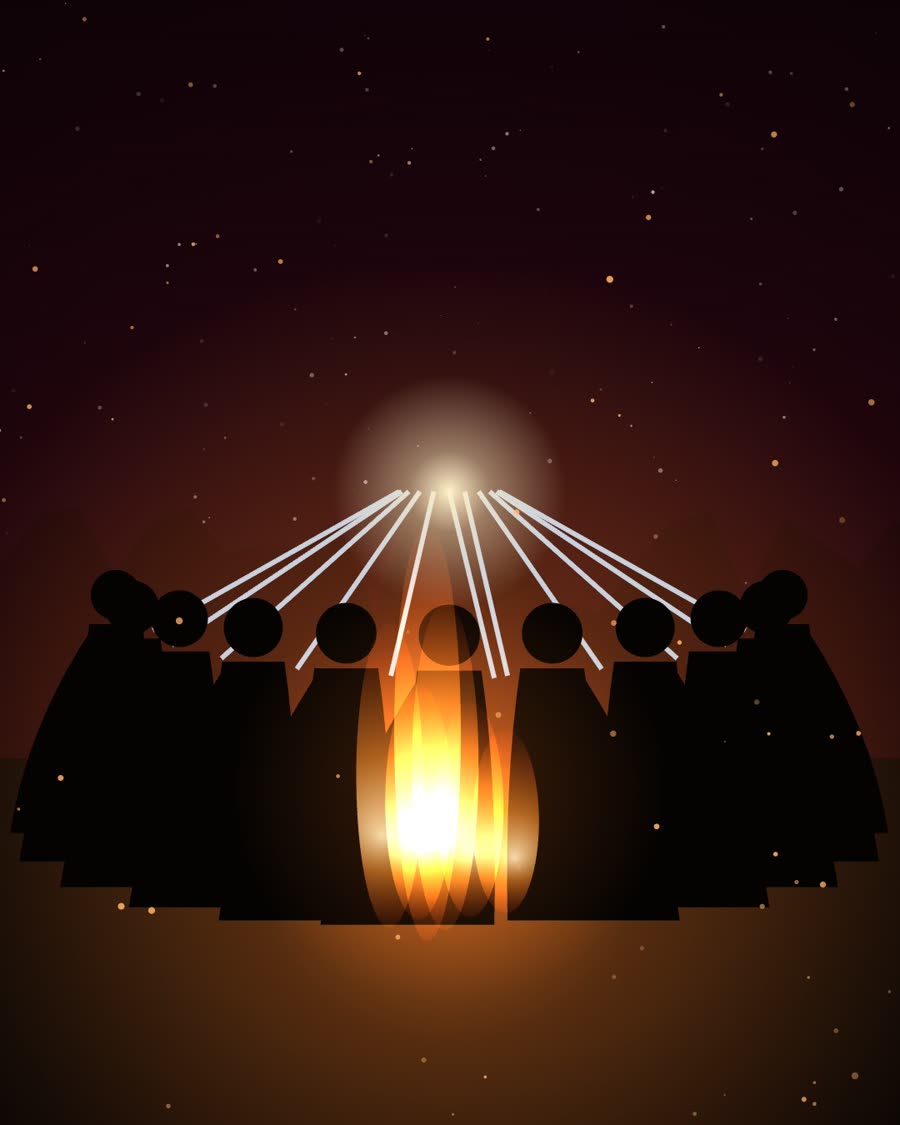
განთიადზე ორი სოფლის კაცები ერთ კოცონთან შეიკრიბნენ და ერთად დაიფიცეს. როცა მტერი მოვიდა, მას ერთი ლაშქარი დახვდა — და მტერი უკუიქცა. ამბობენ, იმ დღიდან ორი სოფლის ქორწილები ერთ სუფრაზე იმართებოდა.
At dawn the men of both villages gathered around one fire and swore an oath together. When the enemy came, it met a single army, and it was put to flight. They say that from that day the weddings of the two villages were held at one table.

შენ ნაცვლიშვილი ხარ. პირველი შენ აპატიე.
You are a Natsvlishvili. You were the first to forgive.
„ნაცვალი“ ძველ საქართველოში სოფლის მოხელეს ერქვა, „-შვილი“ კი შვილს ნიშნავს: ნაცვლიშვილი ნაცვლის შვილია. „-შვილი“ აღმოსავლეთ საქართველოს გვარებისთვისაა დამახასიათებელი.
In old Georgia a “natsvali” was a village official, and “-shvili” means child: Natsvlishvili is the natsvali’s son. “-shvili” is typical of eastern Georgian surnames.
როგორია ნაცვლიშვილების გვარის ისტორია?
„ნაცვალი“ ძველ საქართველოში სოფლის მოხელეს ერქვა, „-შვილი“ კი შვილს ნიშნავს: ნაცვლიშვილი ნაცვლის შვილია. „-შვილი“ აღმოსავლეთ საქართველოს გვარებისთვისაა დამახასიათებელი.
What is the history of the Natsvlishvili surname?
In old Georgia a “natsvali” was a village official, and “-shvili” means child: Natsvlishvili is the natsvali’s son. “-shvili” is typical of eastern Georgian surnames.
როგორ ვიპოვო ნაცვლიშვილის ტელეფონის ნომერი?
ჩამოტვირთე Infosha და აკრიფე სახელი და გვარი, მაგალითად „მარიამ ნაცვლიშვილი“ — შედეგში ტელეფონის ნომერს ნახავ. ძებნა დააზუსტე ქალაქით და პროფესიით. თუ ადამიანი ჯერ არ ჩანს ძებნის შედეგებში, სცადე სხვა დაწერილობაც: Natsvlishvili, Nacvlishvili, Нацвлишвили.
How do I find the phone number of someone named Natsvlishvili?
Download Infosha and type the first name and the surname, for example “Mariam Natsvlishvili”, and the result shows the phone number. Narrow it down by city and profession. If the person is not in the search results yet, try another spelling: Natsvlishvili, Nacvlishvili, Нацвлишвили.
როგორ იწერება ნაცვლიშვილი ლათინურად და რუსულად?
ლათინურად — Natsvlishvili (ტელეფონზე ხშირად ასეც წერენ: Nacvlishvili), რუსულად — Нацвлишвили.
How is ნაცვლიშვილი written in Latin letters and in Russian?
In Latin letters it is Natsvlishvili (people also type Nacvlishvili); in Russian, Нацвлишвили.
ამბავი და ვიდეო — Infosha-სგან · Story and video by Infosha