 Infosha
ეს ამბავი გადმოცემაა და ასე მოგითხრობთ. ნამდვილი ისტორია ქვემოთაა. This story is a legend and is told as one. The real history is below.
ამბობენ, ეს XVII საუკუნეში მოხდა, როცა შაჰის ლაშქრებს საქართველოდან ათასობით ტყვე მიჰყავდა. ქართველმა მეფემ ისპაჰანში ელჩად ყიფიანი გაგზავნა — კაცი, რომელსაც ხმამაღლა ლაპარაკი არ უყვარდა, მაგრამ სიტყვას არასოდეს ტეხდა. გამგზავრების წინ ყიფიანმა მეფის წინაშე დაიჩოქა და მეფემ ხმალი მხარზე დაადო.
They say it happened in the 17th century, when the Shah's armies were carrying thousands of captives away from Georgia. A Georgian king sent a Kipiani to Isfahan as his envoy: a man who did not like to speak loudly, but never broke his word. Before he set out, Kipiani knelt before his king, and the king laid his sword on his shoulder.
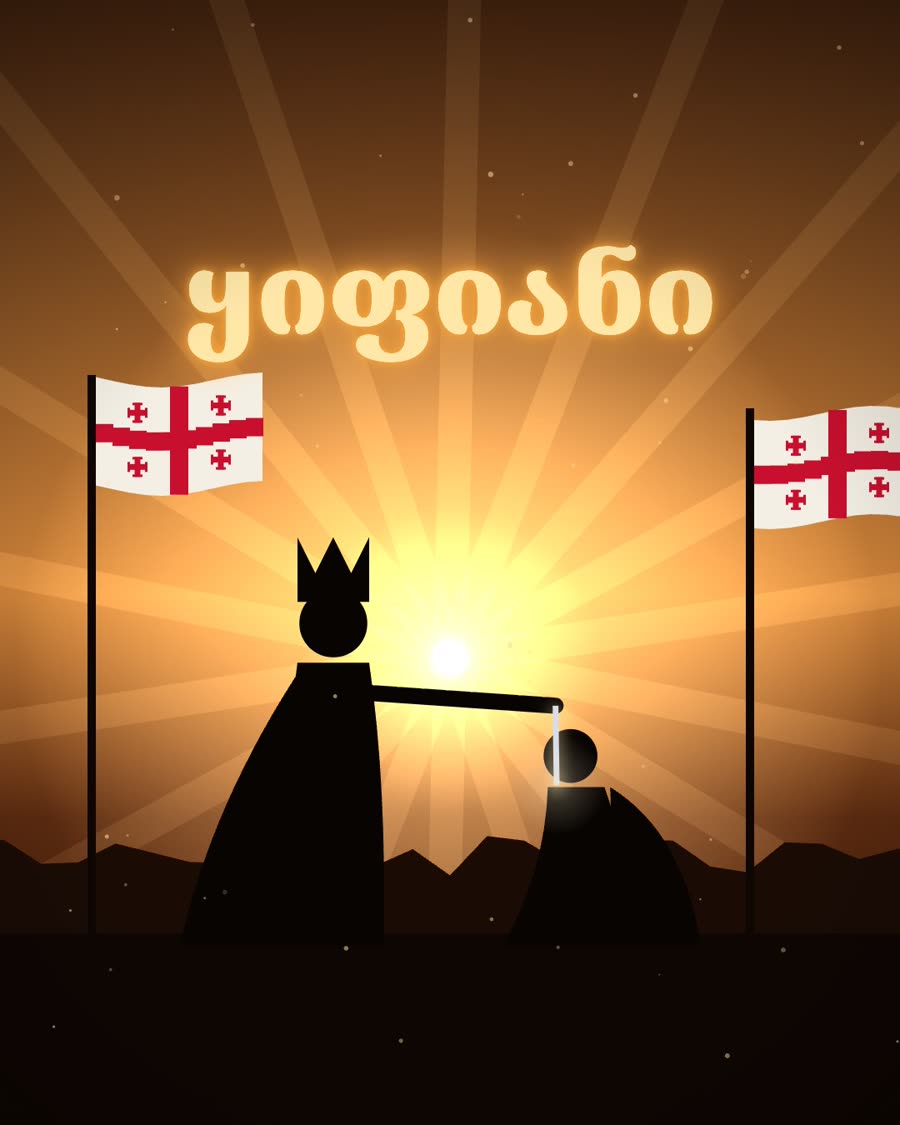
შაჰის სასახლეში, ოქროს ტახტის წინ, ყველა იჩოქებდა: ვეზირები, ხანები, უცხო მეფეთა ელჩები. როცა ყიფიანი დარბაზში შევიდა, მცველებმა ხმლები იშიშვლეს: „დაიჩოქე!“ ყიფიანი ფეხზე იდგა.
In the Shah's palace, before the golden throne, everyone knelt: viziers, khans, the envoys of foreign kings. When Kipiani entered the hall, the guards drew their swords: “Kneel!” Kipiani stayed on his feet.
„მე ერთხელ უკვე დავიჩოქე, — თქვა მან მშვიდად, — ჩემი მეფის წინაშე. მეორედ დასაჩოქებელი მუხლი აღარ მაქვს.“ დარბაზი გაირინდა. ყველას ეგონა, რომ შაჰი მას სიკვდილს მიუსჯიდა.
“I have knelt once already,” he said calmly, “before my king. I have no knee left to bend a second time.” The hall fell silent. Everyone was sure the Shah would sentence him to death.

შაჰი დიდხანს უყურებდა. მერე ადგა და თქვა: „ქვეყანა, რომელსაც ასეთი შვილები ჰყავს, დაჩოქილი არასოდეს იქნება. რა გინდა?“ ყიფიანს ოქრო არ უთხოვია. მან სამასი ქართველი ტყვის თავისუფლება ითხოვა — და მიიღო. ამბობენ, სამასივე სამშობლოში მას ფეხით მიჰყვა.
The Shah looked at him for a long time. Then he rose and said: “A land with sons like this will never be on its knees. What do you want?” Kipiani did not ask for gold. He asked for the freedom of three hundred Georgian captives, and he was given it. They say all three hundred walked home behind him.

შენ ყიფიანი ხარ. მუხლს მხოლოდ სამშობლოს უყრი.
You are a Kipiani. You kneel only to your homeland.
ყიფიანები ძველი ქართული თავადაზნაურული საგვარეულოა.
The Kipianis are an old Georgian noble family.
დიმიტრი ყიფიანი (1814–1887) — პუბლიცისტი, მწერალი და მთარგმნელი.
Dimitri Kipiani (1814–1887): publicist, writer and translator.
დავით ყიფიანი (1951–2001) — ფეხბურთელი, თბილისის „დინამოს“ ნახევარმცველი, რომელიც 1981 წელს „დინამოსთან“ ერთად ევროპის თასების მფლობელთა თასის მფლობელი გახდა; მას საქართველოს ერთ-ერთ უდიდეს ფეხბურთელად მიიჩნევენ.
David Kipiani (1951–2001): footballer, Dinamo Tbilisi playmaker, winner of the 1981 European Cup Winners' Cup with Dinamo; he is considered one of Georgia's greatest players.
როგორია ყიფიანების გვარის ისტორია?
ყიფიანები ძველი ქართული თავადაზნაურული საგვარეულოა.
What is the history of the Kipiani surname?
The Kipianis are an old Georgian noble family.
როგორ ვიპოვო ყიფიანის ტელეფონის ნომერი?
ჩამოტვირთე Infosha და აკრიფე სახელი და გვარი, მაგალითად „დავით ყიფიანი“ — შედეგში ტელეფონის ნომერს ნახავ. ძებნა დააზუსტე ქალაქით და პროფესიით. თუ ადამიანი ჯერ არ ჩანს ძებნის შედეგებში, სცადე სხვა დაწერილობაც: Kipiani, Kifiani, Khipiani, Qipiani, Кипиани.
How do I find the phone number of someone named Kipiani?
Download Infosha and type the first name and the surname, for example “Davit Kipiani”, and the result shows the phone number. Narrow it down by city and profession. If the person is not in the search results yet, try another spelling: Kipiani, Kifiani, Khipiani, Qipiani, Кипиани.
როგორ იწერება ყიფიანი ლათინურად და რუსულად?
ლათინურად — Kipiani (ტელეფონზე ხშირად ასეც წერენ: Kifiani, Khipiani, Qipiani), რუსულად — Кипиани.
How is ყიფიანი written in Latin letters and in Russian?
In Latin letters it is Kipiani (people also type Kifiani, Khipiani, Qipiani); in Russian, Кипиани.
ამბავი და ვიდეო — Infosha-სგან · Story and video by Infosha