 Infosha
ეს ამბავი გადმოცემაა და ასე მოგითხრობთ. ნამდვილი ისტორია ქვემოთაა. This story is a legend and is told as one. The real history is below.
იმერეთში იმ გაზაფხულს წვიმამ ცხრა დღე არ გადაიღო. მეათე ღამეს მდინარემ ნაპირები გადალახა და სოფელს თავს დაატყდა: წყალმა სახლები, ღობეები და ურმები წაიღო.
That spring in Imereti the rain did not stop for nine days. On the tenth night the river broke its banks and fell upon the village: the water carried off houses, fences and carts.

ამბობენ, ხელაძე, ახალგაზრდა მჭედელი, წყალდიდობაში მეზობლის ორ ბავშვს წააწყდა. ორივე ხელით სტაცა, ძველ კაკალზე აცოცდა და ტოტებში ჩაიჭედა. წყალი ქვემოთ ღრიალებდა და ხეს არყევდა.
They say Kheladze, a young blacksmith, came upon two of his neighbour's children in the flood. He seized them both, climbed an old walnut tree and wedged himself in its branches. Below them the water roared and shook the tree.
ბავშვები ისეთი პატარები იყვნენ, რომ ტოტებს თვითონ ვერ ჩაეჭიდებოდნენ. ამიტომ ხელაძეს ისინი მთელი ღამე ხელში ეჭირა — ერთი მარჯვენით, მეორე მარცხენით. ხელები დაუბუჟდა, მხრები უწვავდა, მაგრამ თითები არ გაუხსნია.
The children were too small to hold on to the branches by themselves, so Kheladze held them in his hands all night: one in his right, the other in his left. His arms went numb and his shoulders burned, but he never once opened his fingers.
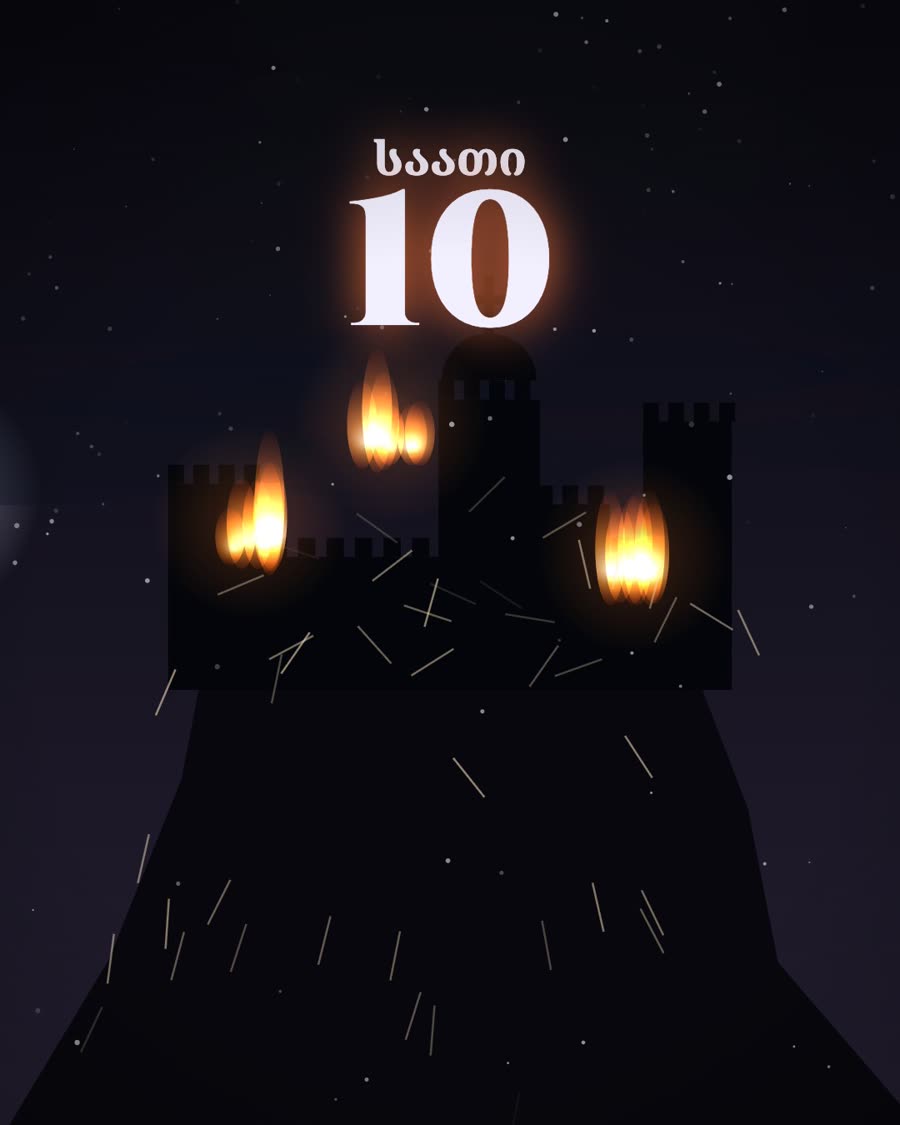
დილით წვიმამ გადაიღო და წყალი დაცხრა. მეზობლებმა ნავით რომ მიაღწიეს კაკალს, ორივე ბავშვს ეძინა — ხელაძის ხელებში. ამბობენ, იმ დღიდან, როცა ხელაძე ვინმეს ხელს ჩამოართმევდა, ის კაცი ამ ხელს არასოდეს ივიწყებდა.
In the morning the rain stopped and the water calmed. When the neighbours reached the walnut tree by boat, both children were asleep in Kheladze's hands. They say that from that day, whoever shook Kheladze's hand never forgot it.
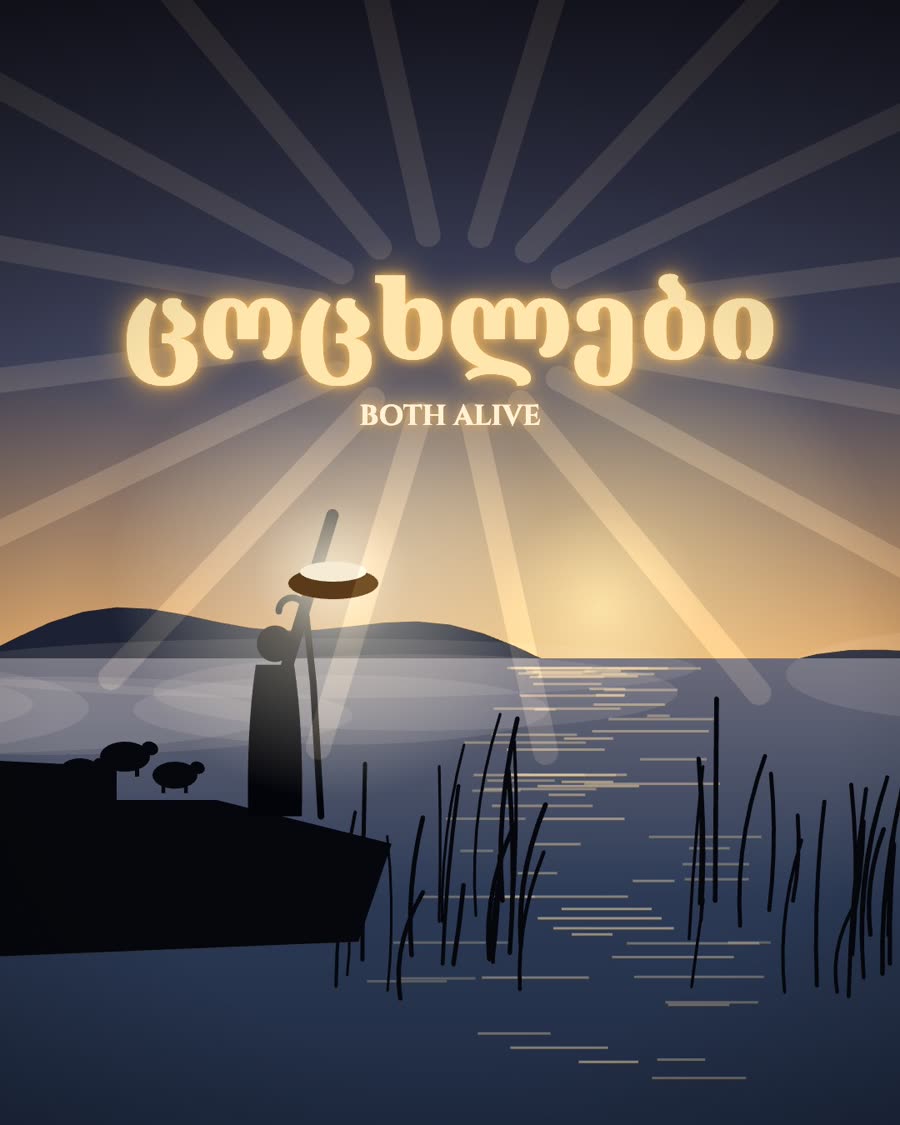
შენ ხელაძე ხარ. შენს ხელებში ღამეც თენდება.
You are a Kheladze. In your hands, even the longest night reaches morning.
„-ძე“ ქართულად შვილს ნიშნავს: ასეთი გვარი წინაპრის სახელიდან ან მეტსახელიდან მომდინარეობს. „-ძე“ დაბოლოება ყველაზე ხშირია დასავლეთ საქართველოში, განსაკუთრებით იმერეთში.
“-dze” means son in Georgian: such a surname comes from an ancestor's name or nickname. The ending is most common in western Georgia, especially in Imereti.
როგორია ხელაძეების გვარის ისტორია?
„-ძე“ ქართულად შვილს ნიშნავს: ასეთი გვარი წინაპრის სახელიდან ან მეტსახელიდან მომდინარეობს. „-ძე“ დაბოლოება ყველაზე ხშირია დასავლეთ საქართველოში, განსაკუთრებით იმერეთში.
What is the history of the Kheladze surname?
“-dze” means son in Georgian: such a surname comes from an ancestor's name or nickname. The ending is most common in western Georgia, especially in Imereti.
როგორ ვიპოვო ხელაძის ტელეფონის ნომერი?
ჩამოტვირთე Infosha და აკრიფე სახელი და გვარი, მაგალითად „ანა ხელაძე“ — შედეგში ტელეფონის ნომერს ნახავ. ძებნა დააზუსტე ქალაქით და პროფესიით. თუ ადამიანი ჯერ არ ჩანს ძებნის შედეგებში, სცადე სხვა დაწერილობაც: Kheladze, Xeladze, Хеладзе.
How do I find the phone number of someone named Kheladze?
Download Infosha and type the first name and the surname, for example “Ana Kheladze”, and the result shows the phone number. Narrow it down by city and profession. If the person is not in the search results yet, try another spelling: Kheladze, Xeladze, Хеладзе.
როგორ იწერება ხელაძე ლათინურად და რუსულად?
ლათინურად — Kheladze (ტელეფონზე ხშირად ასეც წერენ: Xeladze), რუსულად — Хеладзе.
How is ხელაძე written in Latin letters and in Russian?
In Latin letters it is Kheladze (people also type Xeladze); in Russian, Хеладзе.
ამბავი და ვიდეო — Infosha-სგან · Story and video by Infosha