 Infosha
ეს ამბავი გადმოცემაა და ასე მოგითხრობთ. ნამდვილი ისტორია ქვემოთაა. This story is a legend and is told as one. The real history is below.
კაცხის სვეტი იმერეთში ცისკენ აღმართულ ქვის თითს ჰგავს — ციცაბო კლდეა, რომლის თავზეც ძველად განდეგილები ცხოვრობდნენ. ამბობენ, ერთ-ერთი მათგანი ნაკაშიძე იყო: კაცი, რომელიც ახალგაზრდობაში ხმლით იბრძოდა, სიბერეში კი ცას მიუახლოვდა, რომ ქვეყანა ლოცვით დაეცვა. საჭმელს ქვემოდან თოკით აწვდიდნენ.
The Katskhi pillar in Imereti looks like a stone finger raised to the sky: a sheer rock on whose top hermits once lived. They say one of them was a Nakashidze, a man who had fought with the sword in his youth and in his old age climbed closer to the sky, to guard his country with prayer. His food was sent up to him from below on a rope.

ერთ უმთვარო ღამეს, როცა ქვემოთ ყველას ეძინა, ბერმა ლოცვა შეწყვიტა: შორს, ტყის პირას, ასობით პატარა ცეცხლი ციმციმებდა. ეს მტრის ბანაკი იყო — ფარულად მოსული, ჩუმად დაბანაკებული, განთიადზე სოფლებზე თავდასხმისთვის მზად. ქვემოდან ამ ცეცხლებს ვერავინ ხედავდა. ისინი მხოლოდ სვეტიდან ჩანდა.
One moonless night, while everyone below was asleep, the monk broke off his prayer: far away, at the edge of the forest, hundreds of small fires were flickering. It was an enemy camp: it had come in secret, made camp in silence, and was ready to fall on the villages at dawn. No one down below could see those fires. They could be seen only from the pillar.
სვეტზე ბევრი შეშა არ იყო — მხოლოდ ზამთრის მარაგი, რომელიც ბერს მთელი წლის განმავლობაში ჯოხ-ჯოხად თოკით აჰქონდა. ყველაფერი ერთ კოცონად დაახვავა და ცეცხლი წაუკიდა: მთელი ზამთრის სითბო ერთ ღამეს დაიწვა. ალი ცას ასწვდა. ხეობაში ჯერ ერთმა მწყემსმა დაინახა, მერე — სოფელმა, მერე — ციხემ. მთიდან მთაზე კოცონები აინთო: „მტერი მოდის!“
There was little wood on the pillar: only the winter’s firewood, which the monk had hauled up stick by stick on his rope all year. He heaped all of it into a single fire and set it alight: a whole winter’s warmth burned in one night. The flame reached up to the sky. First one shepherd in the valley saw it, then a village, then a fortress. Beacon after beacon blazed up from hill to hill: “The enemy is coming!”
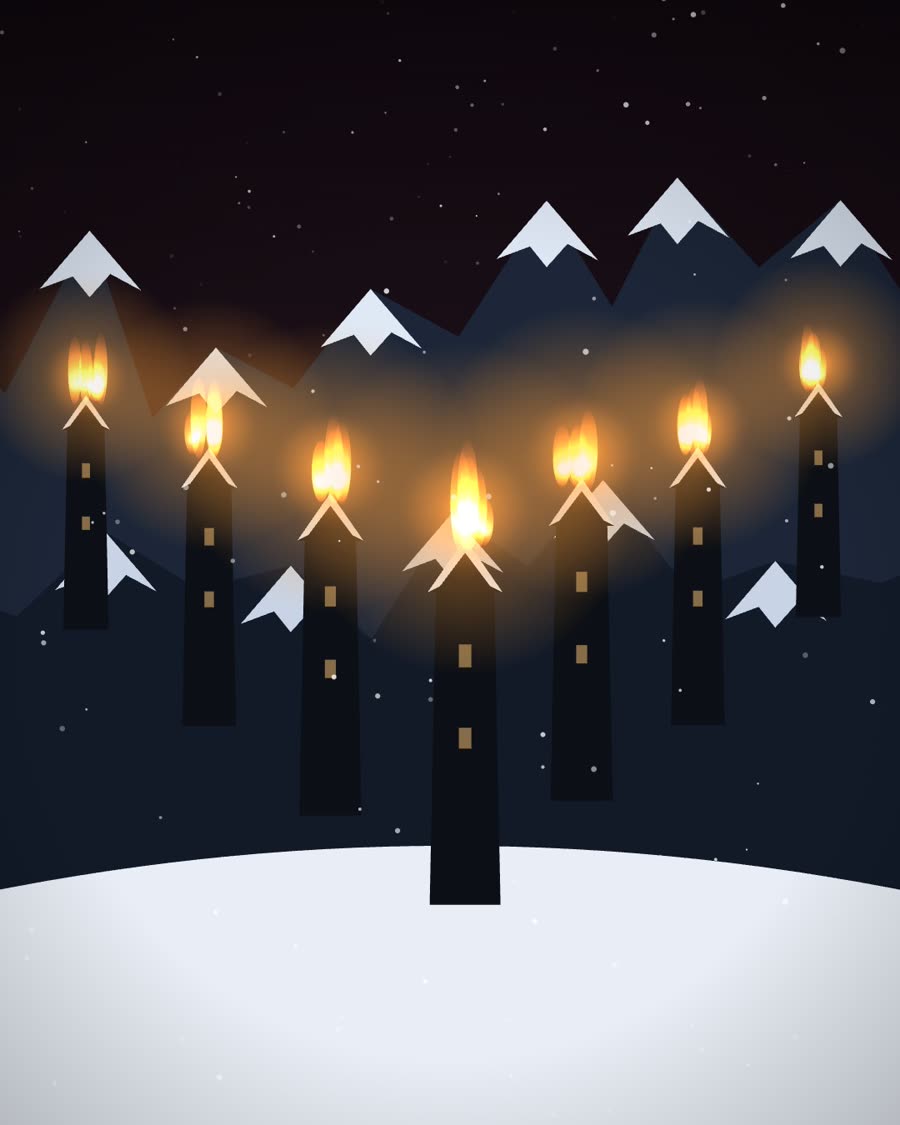
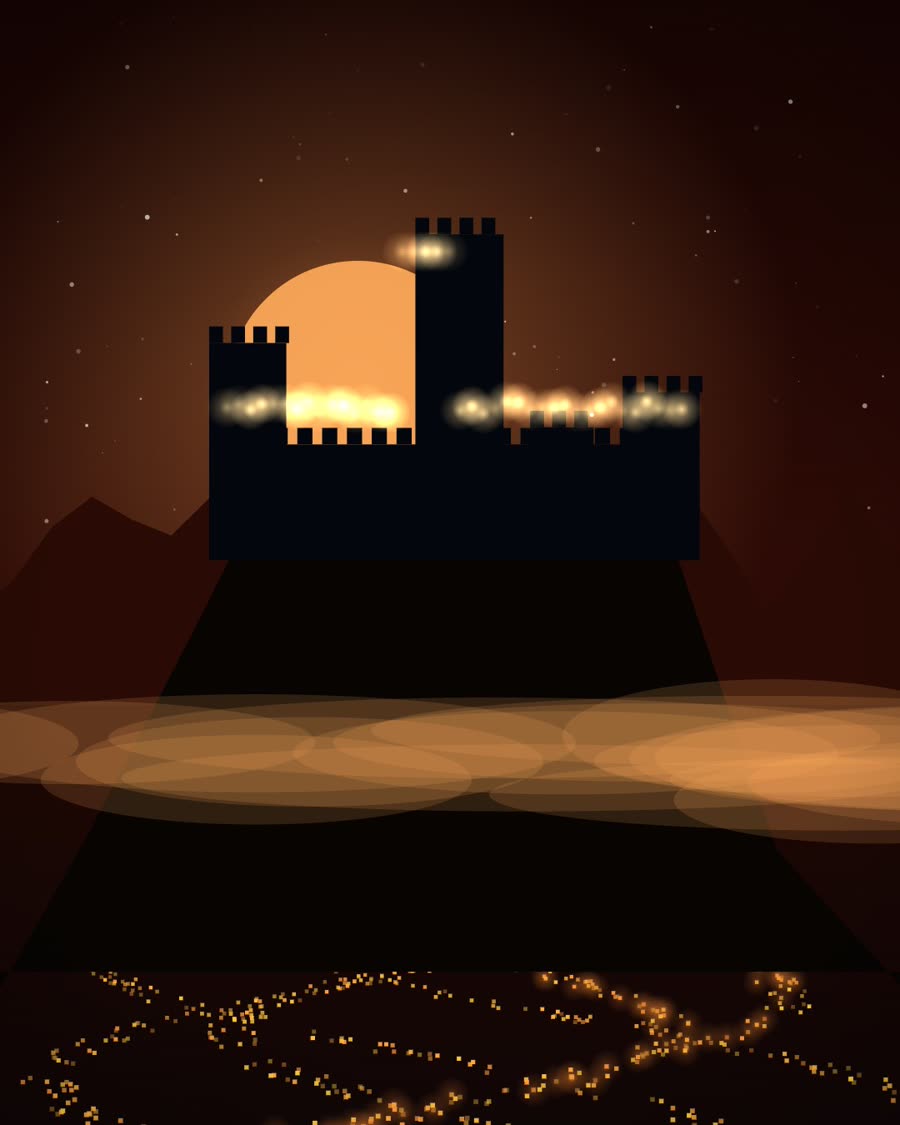
განთიადზე, როცა მტერი ტყიდან გამოვიდა, სოფლები ცარიელი დახვდა, ციხის კარი — ჩაკეტილი, კედლებზე კი მშვილდოსნები იდგნენ. მტერმა მიიხედ-მოიხედა და უკან გაბრუნდა. იმ ზამთარს მოხუცი ნაკაშიძე სვეტზე უცეცხლოდ იჯდა. ამბობენ, სოფლებიდან მას ყოველ დილით თოკით თბილ პურს და ცხვრის ტყავებს უგზავნიდნენ.
At dawn, when the enemy came out of the forest, it found the villages empty, the fortress gate shut, and archers on the walls. The enemy looked around, and turned back. That winter old Nakashidze sat on his pillar without a fire. They say that every morning the villages sent him warm bread and sheepskins, hauled up on his rope.
შენ ნაკაშიძე ხარ. შენი ლოცვა ცეცხლად ინთება.
You are a Nakashidze. Your prayer bursts into flame.
„-ძე“ ძეს, ანუ შვილს ნიშნავს. ასეთი დაბოლოება ყველაზე ხშირია დასავლეთ საქართველოს გვარებში.
“-dze” means son. This ending is most common in the surnames of western Georgia.
ნაკაშიძეები გურიის სამთავროს ერთ-ერთი თავადური საგვარეულოა. გურიაში მათ ელჩების მიღების მემკვიდრეობითი თანამდებობა ეკავათ, ასევე შემოქმედის, ოზურგეთისა და ჩოჩხათის მოურაობა. 1850 წელს ისინი რუსეთის იმპერიის თავადებად ცნეს.
The Nakashidzes are one of the princely houses of the Principality of Guria. In Guria they held the hereditary office of receivers of ambassadors, and were bailiffs of Shemokmedi, Ozurgeti and Chochkhati. In 1850 they were recognised as princes of the Russian Empire.
კაცხის სვეტი დაახლოებით 40 მეტრის სიმაღლის ბუნებრივი კირქვის სვეტია იმერეთში, ჭიათურასთან ახლოს. მის თავზე IX–X საუკუნეების განდეგილთა სავანის ნანგრევებია, XIII საუკუნის ქართული წარწერა კი იქ განდეგილთა სამ სენაკს ახსენებს.
The Katskhi pillar is a natural limestone pillar about 40 metres high in Imereti, near Chiatura. On its top are the ruins of a hermitage dated to the 9th or 10th century, and a 13th-century Georgian inscription mentions three hermit cells there.
ნინო ნაკაშიძე (1872–1963) — მწერალი.
Nino Nakashidze (1872–1963): writer.
ალექსანდრე ნაკაშიძე (1837–1905) — რუსეთის იმპერიის არმიის გენერალი.
Alexander Nakashidze (1837–1905): general of the Russian imperial army.
როგორია ნაკაშიძეების გვარის ისტორია?
„-ძე“ ძეს, ანუ შვილს ნიშნავს. ასეთი დაბოლოება ყველაზე ხშირია დასავლეთ საქართველოს გვარებში. ნაკაშიძეები გურიის სამთავროს ერთ-ერთი თავადური საგვარეულოა. გურიაში მათ ელჩების მიღების მემკვიდრეობითი თანამდებობა ეკავათ, ასევე შემოქმედის, ოზურგეთისა და ჩოჩხათის მოურაობა. 1850 წელს ისინი რუსეთის იმპერიის თავადებად ცნეს.
What is the history of the Nakashidze surname?
“-dze” means son. This ending is most common in the surnames of western Georgia. The Nakashidzes are one of the princely houses of the Principality of Guria. In Guria they held the hereditary office of receivers of ambassadors, and were bailiffs of Shemokmedi, Ozurgeti and Chochkhati. In 1850 they were recognised as princes of the Russian Empire.
როგორ ვიპოვო ნაკაშიძის ტელეფონის ნომერი?
ჩამოტვირთე Infosha და აკრიფე სახელი და გვარი, მაგალითად „დავით ნაკაშიძე“ — შედეგში ტელეფონის ნომერს ნახავ. ძებნა დააზუსტე ქალაქით და პროფესიით. თუ ადამიანი ჯერ არ ჩანს ძებნის შედეგებში, სცადე სხვა დაწერილობაც: Nakashidze, Накашидзе.
How do I find the phone number of someone named Nakashidze?
Download Infosha and type the first name and the surname, for example “Davit Nakashidze”, and the result shows the phone number. Narrow it down by city and profession. If the person is not in the search results yet, try another spelling: Nakashidze, Накашидзе.
როგორ იწერება ნაკაშიძე ლათინურად და რუსულად?
ლათინურად — Nakashidze, რუსულად — Накашидзе.
How is ნაკაშიძე written in Latin letters and in Russian?
In Latin letters it is Nakashidze; in Russian, Накашидзе.
ამბავი და ვიდეო — Infosha-სგან · Story and video by Infosha