 Infosha
ეს ამბავი გადმოცემაა და ასე მოგითხრობთ. ნამდვილი ისტორია ქვემოთაა. This story is a legend and is told as one. The real history is below.
1795 წლის სექტემბერი. აღა-მაჰმად-ხანის ურიცხვი ლაშქარი თბილისს მოადგა. კრწანისის ველზე მოხუცმა მეფე ერეკლემ თავისი უკანასკნელი დიდი ბრძოლა გამართა — და ბრძოლა ხელიდან ეცლებოდა.
September 1795. Agha Mohammad Khan’s countless army reached Tbilisi. On the field of Krtsanisi the old King Erekle fought his last great battle, and the battle was slipping away from him.
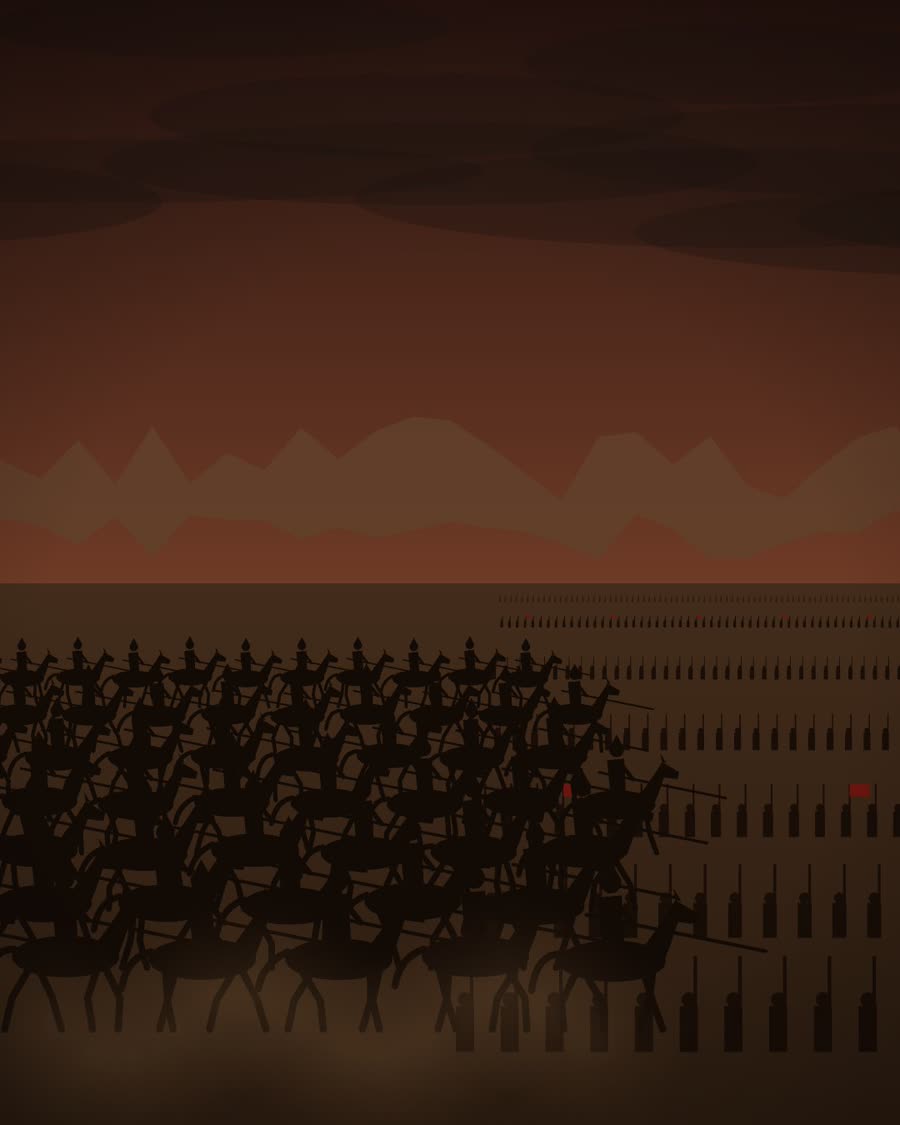
მეფის გვერდით სამასი არაგველი იდგა — მთის ხალხი არაგვის ხეობიდან. ამბობენ, მათ შორის ერთი გიგაურიც იყო, რომელსაც შინ, მთაში, ახალშობილი ვაჟი ელოდა. ბრძოლის წინ ცეცხლთან ფიცი დადეს: მეფეს მტერს არ დავანებებთ.
Beside the King stood three hundred Aragvians, mountain men from the Aragvi valley. They say that among them was a Gigauri whose newborn son was waiting for him at home in the mountains. Before the battle they swore an oath by the fire: we will not give the King to the enemy.
როცა მტერი ყოველი მხრიდან მოაწყდა, არაგველებმა მეფე ბრძოლის ველიდან გაიყვანეს, თვითონ კი უკან მობრუნდნენ და ვიწრო გზა ჩაკეტეს. გიგაური პირველ რიგში იდგა და ერთი ნაბიჯითაც არ დაუხევია უკან.
When the enemy surged in from every side, the Aragvians carried the King off the field, then turned back and closed the narrow road. Gigauri stood in the front row and did not step back even once.
სამასივე იქ დარჩა. მეფე გადარჩა. მთაში კი, არაგვის პირას, გიგაურის ვაჟი იზრდებოდა — და მამის ხმალი შინ სწორედ მას დაუბრუნეს.
All three hundred stayed there. The King lived. And up in the mountains, on the Aragvi, Gigauri’s son was growing up, and it was to him that his father’s sword was brought home.
შენ გიგაური ხარ. შენ უკან არ იხევ.
You are a Gigauri. You never step back.
„-ური“ და „-ული“ დაბოლოებები ხშირად აღმოსავლეთ საქართველოს მთიანეთის გვარებს ახასიათებს.
The endings “-uri” and “-uli” are typical of surnames from the mountain regions of eastern Georgia.
კრწანისის ბრძოლა 1795 წლის სექტემბერში, თბილისის ახლოს მოხდა: მეფე ერეკლე მეორის ლაშქარი აღა-მაჰმად-ხანის სპარსულ ჯარს შეებრძოლა. გადმოცემით, სამასმა არაგველმა ბოლომდე იბრძოლა და ყველა დაიღუპა.
The Battle of Krtsanisi was fought near Tbilisi in September 1795, between the army of King Erekle II and the Persian army of Agha Mohammad Khan. Tradition holds that three hundred Aragvians fought to the end, and none of them survived.
როგორია გიგაურების გვარის ისტორია?
„-ური“ და „-ული“ დაბოლოებები ხშირად აღმოსავლეთ საქართველოს მთიანეთის გვარებს ახასიათებს. კრწანისის ბრძოლა 1795 წლის სექტემბერში, თბილისის ახლოს მოხდა: მეფე ერეკლე მეორის ლაშქარი აღა-მაჰმად-ხანის სპარსულ ჯარს შეებრძოლა. გადმოცემით, სამასმა არაგველმა ბოლომდე იბრძოლა და ყველა დაიღუპა.
What is the history of the Gigauri surname?
The endings “-uri” and “-uli” are typical of surnames from the mountain regions of eastern Georgia. The Battle of Krtsanisi was fought near Tbilisi in September 1795, between the army of King Erekle II and the Persian army of Agha Mohammad Khan. Tradition holds that three hundred Aragvians fought to the end, and none of them survived.
როგორ ვიპოვო გიგაურის ტელეფონის ნომერი?
ჩამოტვირთე Infosha და აკრიფე სახელი და გვარი, მაგალითად „დავით გიგაური“ — შედეგში ტელეფონის ნომერს ნახავ. ძებნა დააზუსტე ქალაქით და პროფესიით. თუ ადამიანი ჯერ არ ჩანს ძებნის შედეგებში, სცადე სხვა დაწერილობაც: Gigauri, Гигаури.
How do I find the phone number of someone named Gigauri?
Download Infosha and type the first name and the surname, for example “Davit Gigauri”, and the result shows the phone number. Narrow it down by city and profession. If the person is not in the search results yet, try another spelling: Gigauri, Гигаури.
როგორ იწერება გიგაური ლათინურად და რუსულად?
ლათინურად — Gigauri, რუსულად — Гигаури.
How is გიგაური written in Latin letters and in Russian?
In Latin letters it is Gigauri; in Russian, Гигаури.
ამბავი და ვიდეო — Infosha-სგან · Story and video by Infosha