 Infosha
ეს ამბავი გადმოცემაა და ასე მოგითხრობთ. ნამდვილი ისტორია ქვემოთაა. This story is a legend and is told as one. The real history is below.
1659 წელი. კახეთში მტრის ლაშქარი იდგა და მთიელები — თუშები, ფშავლები, ხევსურები — კახელებთან ერთად ბახტრიონის ციხის აღებას აპირებდნენ. მაგრამ მტერს ძლიერი ცხენოსანი ჯარი ჰყავდა: ღია ველზე მისი მხედრები ქვეით მთიელებს ერთ საათში გაფანტავდნენ. ღამით მტრის ცხენები ციხის ქვემოთ, ალაზნის ჭალაში ძოვდნენ.
1659. An enemy army held Kakheti, and the highlanders, the Tush, the Pshavs and the Khevsurs, were preparing to take Bakhtrioni fortress together with the Kakhetians. But the enemy had strong cavalry: on the open plain its riders would scatter men on foot within the hour. At night the enemy's horses grazed below the fortress, in the meadows by the Alazani.
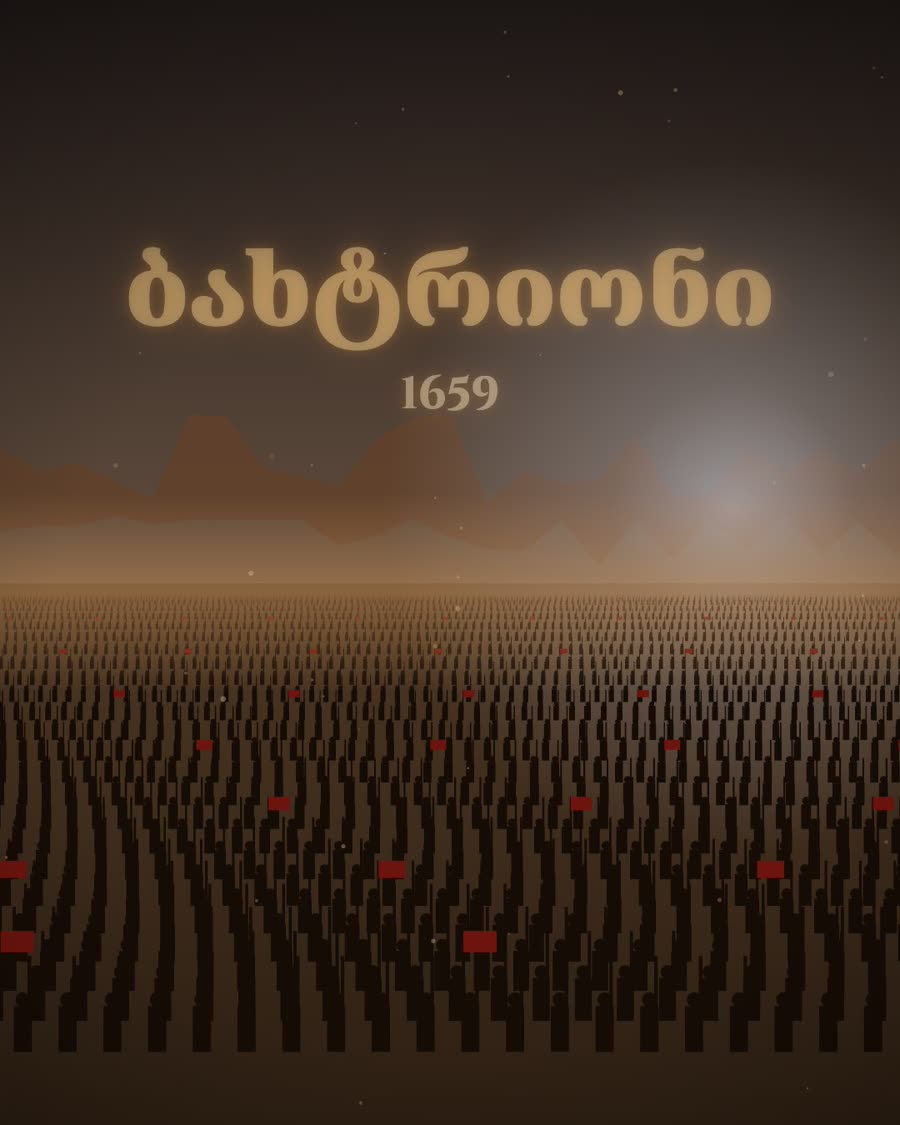
ჰყვებიან, რომ მთიელებთან ერთი ბიჭი იყო, თორმეტი წლის სირაძე, რომელიც ცხენებში გაიზარდა. მან ის იცოდა, რაც ყველა მეჯოგემ იცის: რემა ფაშატს მიჰყვება — ბებერ, ჭკვიან ფაშატს, რომელსაც კისერზე ეჟვანი ჰკიდია. შუაღამისას ბიჭი ბალახში ხოხვით მიეპარა რემას, ფაშატს ეჟვანი მოხსნა, რომ არ აწკრიალებულიყო, მოეფერა და ნელა წაიყვანა.
They tell that among the highlanders was a boy, a twelve-year-old Siradze, who had grown up among horses. He knew what every herdsman knows: a herd follows its mare, the old, wise mare with a bell around her neck. At midnight the boy crawled through the grass to the herd, took the bell off the mare so that it would not ring, stroked her and slowly led her away.
ფაშატი მშვიდად მიჰყვებოდა. მას ჯერ ერთი ცხენი გაჰყვა, მერე ათი, მერე მთელი რემა — ასობით ცხენი, ჩუმად, სიბნელეში, ტყის ბილიკით მთისკენ. მტრის ყარაულებს ეძინათ; ბალახზე ჩლიქების ხმა არ ისმოდა.
The mare followed him calmly. First one horse went after her, then ten, then the whole herd: hundreds of horses, silently, in the dark, up a forest path toward the mountains. The enemy's sentries were asleep; hooves make no sound on grass.
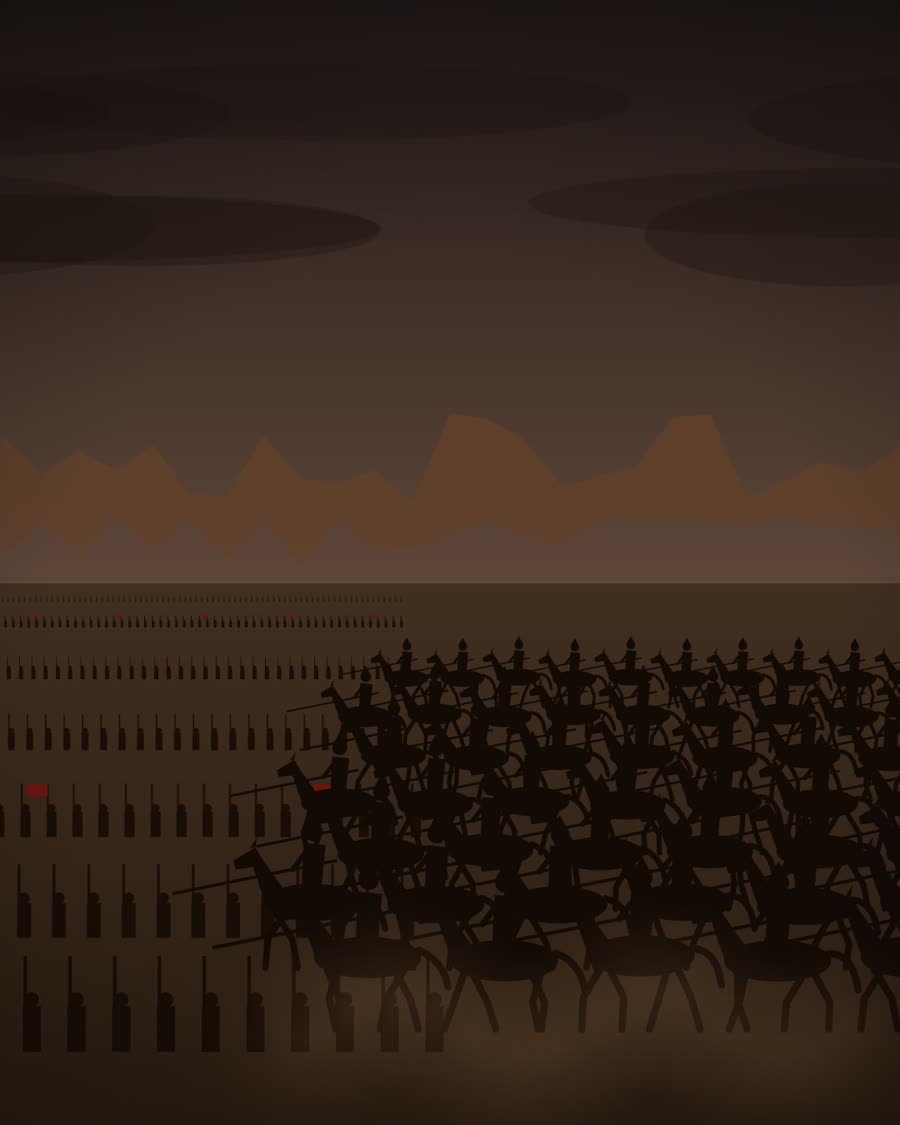
განთიადზე მტერმა ცხენებს დაუძახა — ჭალა ცარიელი იყო. მთიელებს ის ქვეითად დაუხვდა, და ბახტრიონი დაეცა. იმ დღეს სირაძე მთიდან ფაშატზე ამხედრებული ჩამოვიდა, უკან კი ასობით ცხენი მოსდევდა — ამჯერად უკვე ქართული.
At dawn the enemy called for its horses: the meadow was empty. It met the highlanders on foot, and Bakhtrioni fell. That day Siradze rode down from the mountain on the mare, with hundreds of horses behind him, Georgian ones now.
შენ სირაძე ხარ. შენ გამო მტერი ფეხით დადის.
You are a Siradze. Because of you, the enemy goes on foot.
„-ძე“ შვილს ნიშნავს; ეს დაბოლოება ყველაზე მეტად დასავლეთ საქართველოში, განსაკუთრებით იმერეთშია გავრცელებული.
“-dze” means son; this ending is most common in western Georgia, especially in Imereti.
1659 წლის ბახტრიონის აჯანყებისას კახელებმა და მთიელებმა — თუშებმა, ფშავლებმა და ხევსურებმა — ბახტრიონისა და ალავერდის ციხეები აიღეს. ამ ამბავზე ვაჟა-ფშაველამ პოემა „ბახტრიონი“ დაწერა.
In the Bakhtrioni uprising of 1659, Kakhetians and highlanders (Tushetians, Pshavians and Khevsurs) took the fortresses of Bakhtrioni and Alaverdi. Vazha-Pshavela wrote his poem “Bakhtrioni” about it.
დავით სირაძე (დ. 1981, თბილისი) — ფეხბურთელი, თავდამსხმელი, 2004–2011 წლებში საქართველოს ნაკრების წევრი.
Davit Siradze (born 1981, Tbilisi): football striker, played for the Georgia national team from 2004 to 2011.
როგორია სირაძეების გვარის ისტორია?
„-ძე“ შვილს ნიშნავს; ეს დაბოლოება ყველაზე მეტად დასავლეთ საქართველოში, განსაკუთრებით იმერეთშია გავრცელებული. 1659 წლის ბახტრიონის აჯანყებისას კახელებმა და მთიელებმა — თუშებმა, ფშავლებმა და ხევსურებმა — ბახტრიონისა და ალავერდის ციხეები აიღეს. ამ ამბავზე ვაჟა-ფშაველამ პოემა „ბახტრიონი“ დაწერა.
What is the history of the Siradze surname?
“-dze” means son; this ending is most common in western Georgia, especially in Imereti. In the Bakhtrioni uprising of 1659, Kakhetians and highlanders (Tushetians, Pshavians and Khevsurs) took the fortresses of Bakhtrioni and Alaverdi. Vazha-Pshavela wrote his poem “Bakhtrioni” about it.
სირაძეების ეს ამბავი ნამდვილია?
ეს გადმოცემაა და ასეც მოგითხრობთ. ნამდვილი ისტორია – თარიღები, ადგილები და ადამიანები – ამ გვერდზე, ვიდეოს ქვემოთაა.
Is this Siradze story true?
It is a legend and is told as one. The real history, with its dates, places and people, is on this page below the video.
როგორ გავუგზავნო ეს ვიდეო ყველა სირაძეს?
დააჭირე „გაზიარებას“ ამ გვერდზე ან ჩამოტვირთე ვიდეო და გაუგზავნე Facebook-ზე, Telegram-ში ან WhatsApp-ში.
How do I send this video to every Siradze I know?
Tap Share on this page, or download the video and send it on Facebook, Telegram or WhatsApp.
ამბავი და ვიდეო — Infosha-სგან · Story and video by Infosha