 Infosha
ეს ამბავი გადმოცემაა და ასე მოგითხრობთ. ნამდვილი ისტორია ქვემოთაა. This story is a legend and is told as one. The real history is below.
ჰყვებიან, რომ ერთ ზაფხულს ციხისძირს, ზღვისპირა ციხე-ქალაქს, შავი ჭირი მოედო. ვისაც შეეძლო, გარბოდა — მთებში, სოფლებში, ზღვაზე. ავადმყოფები კი სახლებში რჩებოდნენ, მარტონი.
They say that one summer the black plague swept through Tsikhisdziri, the fortress town by the sea. Whoever could, fled: to the mountains, to the villages, out to sea. The sick were left behind in their houses, alone.

ნავსადგურში ბერძნული ხომალდი იდგა, რომელიც შინ, საბერძნეთში მიდიოდა. მასზე ადგილი ერთ ბერძენ მკურნალსაც ჰქონდა — ახალგაზრდა კაცს, რომელიც რამდენიმე წლის წინ ჩამოვიდა ციხისძირში. ხომალდი წავიდა. მკურნალი ნაპირზე დარჩა.
In the harbour lay a Greek ship bound for home. There was a place on it for a Greek healer too, a young man who had come to Tsikhisdziri a few years before. The ship sailed. The healer stayed on the shore.
ორმოცი დღე და ღამე დადიოდა სახლიდან სახლში: წყალს აწვდიდა, სახვევებს უცვლიდა, ბალახებს ადუღებდა და ღამღამობით, სანთლის შუქზე, წამლებს იწერდა. „ვინც შენთან რჩება, ის შენი ხალხია“, — ამბობდა.
For forty days and nights he went from house to house: he gave water, changed bandages, boiled herbs, and at night, by candlelight, wrote down his remedies. “Those who stay with you are your people,” he would say.
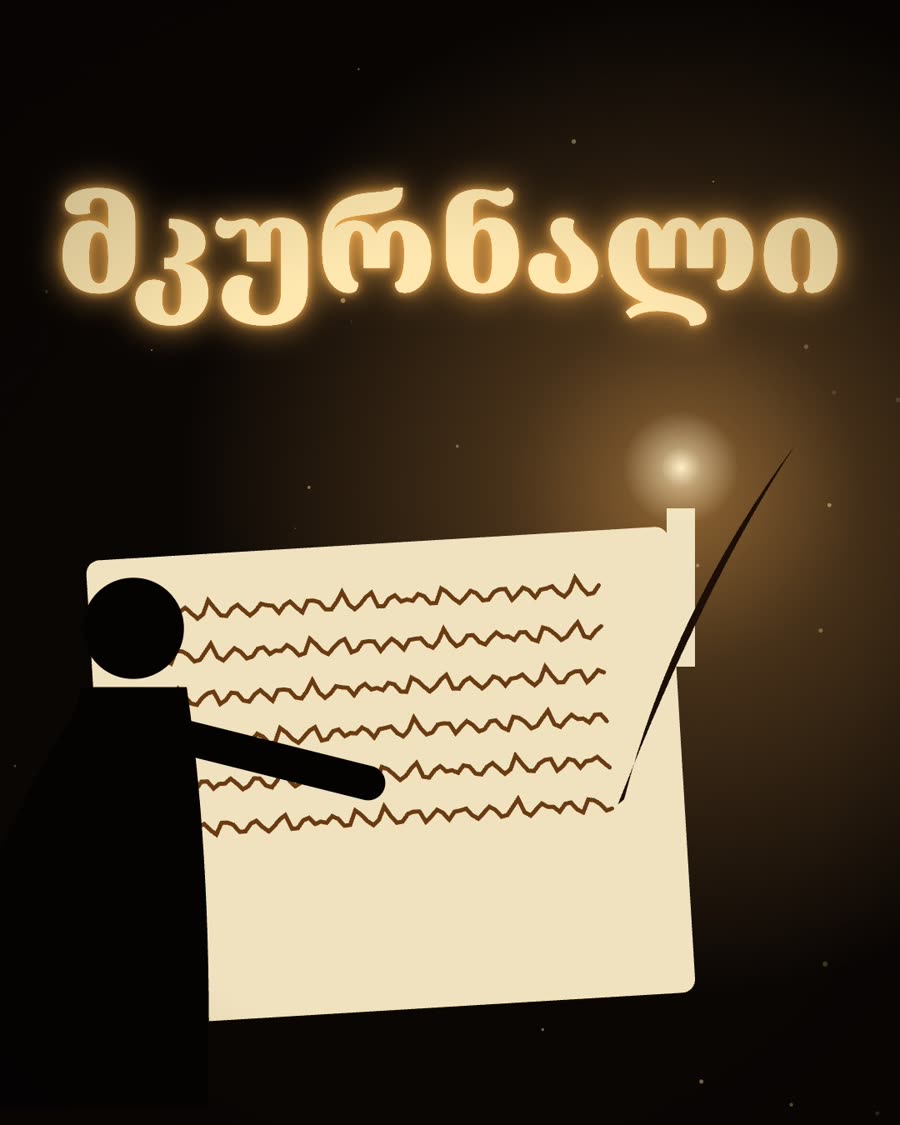
ჭირი წავიდა. ციხისძირი გადარჩა. ბერძენი აღარასოდეს წასულა: ცოლი შეირთო, ვენახი გააშენა, მის შვილებს კი მეზობლებმა ბერძენიშვილები შეარქვეს.
The plague passed. Tsikhisdziri lived. The Greek never left: he married and planted a vineyard, and the neighbours named his children the Berdzenishvilis.

შენ ბერძენიშვილი ხარ. უცხოდ მოხვედი, შვილად დარჩი.
You are a Berdzenishvili. You came a stranger, and stayed a son.
„ბერძენი“ ქართულად საბერძნეთიდან მოსულს ნიშნავს, „-შვილი“ კი შვილს: ბერძენიშვილი „ბერძნის შვილია“.
“Berdzeni” is the Georgian word for a Greek, and “-shvili” means child: Berdzenishvili is “the Greek’s child”.
ციხისძირში, ქობულეთის მახლობლად, ზღვისპირა ციხე-სიმაგრე პეტრას ნანგრევები დგას. ის VI საუკუნეში ბიზანტიელებმა ააშენეს.
At Tsikhisdziri, near Kobuleti, stand the ruins of the sea fortress of Petra, built by the Byzantines in the 6th century.
ნიკო (ნიკოლოზ) ბერძენიშვილი (1895–1965) — ისტორიკოსი.
Niko (Nikoloz) Berdzenishvili (1895–1965): historian.
მერაბ ბერძენიშვილი (1929–2016) — მოქანდაკე.
Merab Berdzenishvili (1929–2016): sculptor.
როგორია ბერძენიშვილების გვარის ისტორია?
„ბერძენი“ ქართულად საბერძნეთიდან მოსულს ნიშნავს, „-შვილი“ კი შვილს: ბერძენიშვილი „ბერძნის შვილია“. ციხისძირში, ქობულეთის მახლობლად, ზღვისპირა ციხე-სიმაგრე პეტრას ნანგრევები დგას. ის VI საუკუნეში ბიზანტიელებმა ააშენეს.
What is the history of the Berdzenishvili surname?
“Berdzeni” is the Georgian word for a Greek, and “-shvili” means child: Berdzenishvili is “the Greek’s child”. At Tsikhisdziri, near Kobuleti, stand the ruins of the sea fortress of Petra, built by the Byzantines in the 6th century.
ბერძენიშვილების ეს ამბავი ნამდვილია?
ეს გადმოცემაა და ასეც მოგითხრობთ. ნამდვილი ისტორია – თარიღები, ადგილები და ადამიანები – ამ გვერდზე, ვიდეოს ქვემოთაა.
Is this Berdzenishvili story true?
It is a legend and is told as one. The real history, with its dates, places and people, is on this page below the video.
როგორ გავუგზავნო ეს ვიდეო ყველა ბერძენიშვილს?
დააჭირე „გაზიარებას“ ამ გვერდზე ან ჩამოტვირთე ვიდეო და გაუგზავნე Facebook-ზე, Telegram-ში ან WhatsApp-ში.
How do I send this video to every Berdzenishvili I know?
Tap Share on this page, or download the video and send it on Facebook, Telegram or WhatsApp.
ამბავი და ვიდეო — Infosha-სგან · Story and video by Infosha