 Infosha
ეს ამბავი გადმოცემაა და ასე მოგითხრობთ. ნამდვილი ისტორია ქვემოთაა. This story is a legend and is told as one. The real history is below.
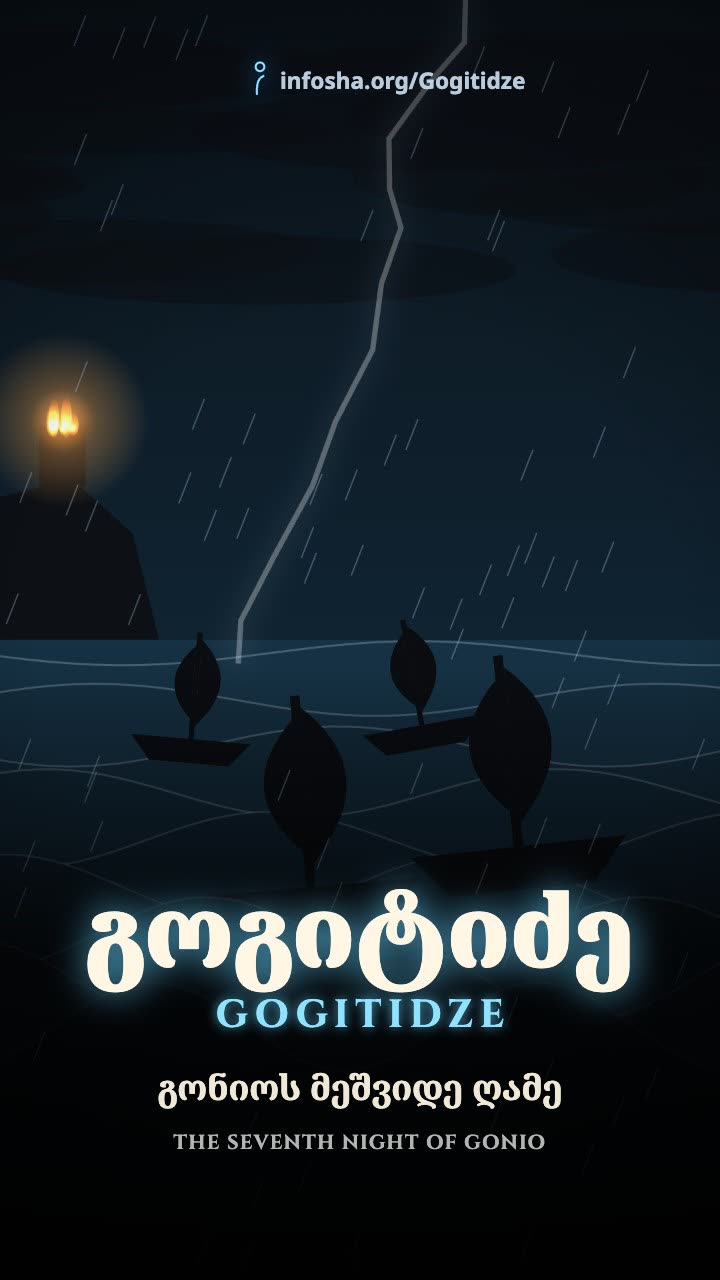
ამბობენ, ერთ შემოდგომას მტრის ფლოტი ფოთისკენ მიცურავდა — ნაპირის სოფლების დასარბევად. ღამით, ნაპირიდან ცოტა მოშორებით, ზღვა გაგიჟდა: ქარიშხალმა ხომალდები ერთმანეთს შეახეთქა, ანძები გადაამტვრია და ტალღებში ხალხის ყვირილი გაისმა.
They say that one autumn an enemy fleet was sailing for Poti, to raid the villages along the shore. At night, not far from land, the sea went mad: the storm hurled the ships against one another, snapped their masts, and voices cried out among the waves.
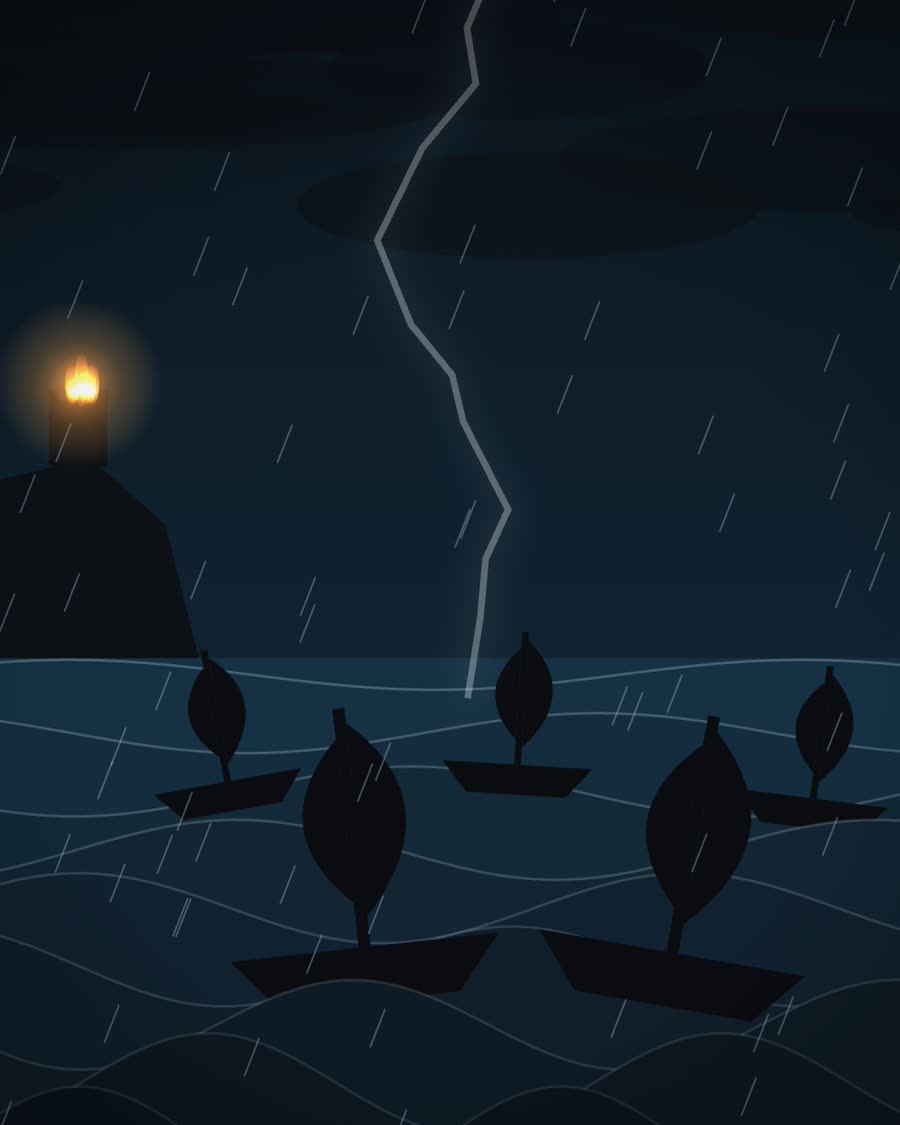
ნაპირზე მეთევზეები შეგროვდნენ. „ღმერთმა თავისი თქვა, — თქვა ვიღაცამ, — ისინი ჩვენს დასარბევად მოდიოდნენ.“ ეკლესიის ზარი კი რეკავდა და რეკავდა. მაშინ მეთევზე გაბუნიამ თავისი ნავი წყალში შეაცურა: „ზღვაში მტერი აღარ არის — მხოლოდ მხრჩვალი ხალხია.“
The fishermen gathered on the shore. “God has spoken,” someone said. “They came to raid us.” But the church bell kept ringing. Then the fisherman Gabunia pushed his boat into the water: “There are no enemies in the sea, only drowning men.”
მთელი ღამე ტალღებს ებრძოდა და ერთიმეორის მიყოლებით ამოჰყავდა ნავში გაყინული კაცები. ბოლოს ზღვიდან მძიმე, ოქრომკედით ნაქარგ მოსასხამში გახვეული კაცი ამოიყვანა. ეს მტრის ფლოტის სარდალი იყო.
All night he fought the waves and pulled frozen men into his boat, one after another. Last of all he hauled out of the sea a man wrapped in a heavy cloak embroidered with gold thread. It was the admiral of the enemy fleet.
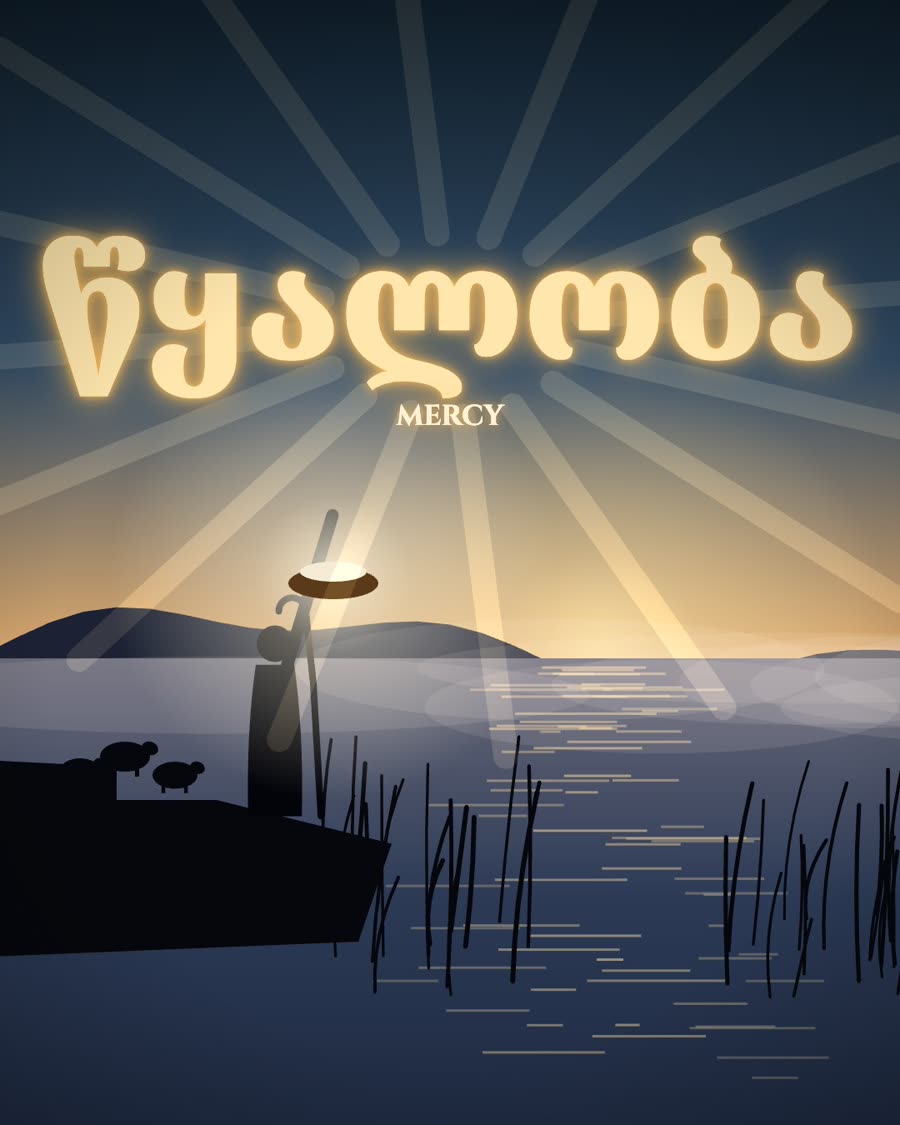
დილით, გაბუნიას კოცონთან გამთბარმა სარდალმა ხმალი მის წინ დადო და დაიფიცა: „სანამ ცოცხალი ვარ, ჩემი ხომალდი ამ ნაპირს აღარ მოადგება.“ ამბობენ, ფიცი შეასრულა: ფოთის ზღვაზე მისი ხომალდი მას შემდეგ აღარავის უნახავს.
In the morning, warmed by Gabunia’s fire, the admiral laid his sword before him and swore: “As long as I live, no ship of mine will come to this shore again.” They say he kept his oath: no one ever saw his ships off Poti again.
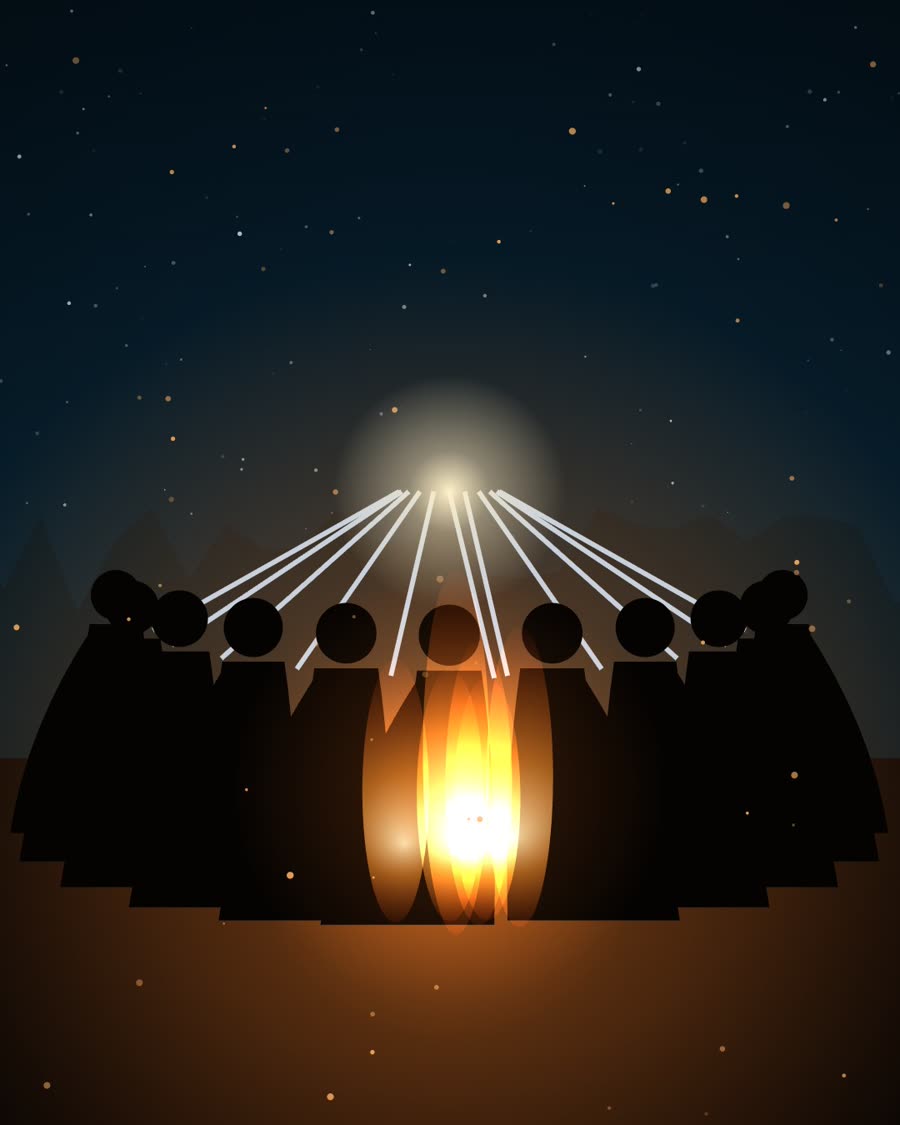
შენ გაბუნია ხარ. შენი წყალობა ციხეზე მტკიცეა.
You are a Gabunia. Your mercy is stronger than a fortress.
„-ია“ მეგრული გვარების დაბოლოებაა.
“-ia” is an ending of Megrelian surnames.
ოდიში სამეგრელოს ისტორიული სახელია. შუა საუკუნეებიდან XIX საუკუნემდე ოდიშის სამთავროს დადიანები მართავდნენ.
Odishi is the historical name of Samegrelo. From the Middle Ages until the 19th century the Principality of Odishi was ruled by the Dadiani family.
ფოთი შავი ზღვის ნავსადგური ქალაქია, იქ, სადაც რიონი ზღვას ერთვის.
Poti is a Black Sea port city, where the Rioni flows into the sea.
დავით გაბუნია (დ. 1982) — მწერალი, დრამატურგი და მთარგმნელი.
Davit Gabunia (born 1982): writer, playwright and translator.
როგორია გაბუნიების გვარის ისტორია?
„-ია“ მეგრული გვარების დაბოლოებაა. ოდიში სამეგრელოს ისტორიული სახელია. შუა საუკუნეებიდან XIX საუკუნემდე ოდიშის სამთავროს დადიანები მართავდნენ.
What is the history of the Gabunia surname?
“-ia” is an ending of Megrelian surnames. Odishi is the historical name of Samegrelo. From the Middle Ages until the 19th century the Principality of Odishi was ruled by the Dadiani family.
გაბუნიების ეს ამბავი ნამდვილია?
ეს გადმოცემაა და ასეც მოგითხრობთ. ნამდვილი ისტორია – თარიღები, ადგილები და ადამიანები – ამ გვერდზე, ვიდეოს ქვემოთაა.
Is this Gabunia story true?
It is a legend and is told as one. The real history, with its dates, places and people, is on this page below the video.
როგორ გავუგზავნო ეს ვიდეო ყველა გაბუნიას?
დააჭირე „გაზიარებას“ ამ გვერდზე ან ჩამოტვირთე ვიდეო და გაუგზავნე Facebook-ზე, Telegram-ში ან WhatsApp-ში.
How do I send this video to every Gabunia I know?
Tap Share on this page, or download the video and send it on Facebook, Telegram or WhatsApp.
ამბავი და ვიდეო — Infosha-სგან · Story and video by Infosha