 Infosha
ეს ამბავი გადმოცემაა და ასე მოგითხრობთ. ნამდვილი ისტორია ქვემოთაა. This story is a legend and is told as one. The real history is below.
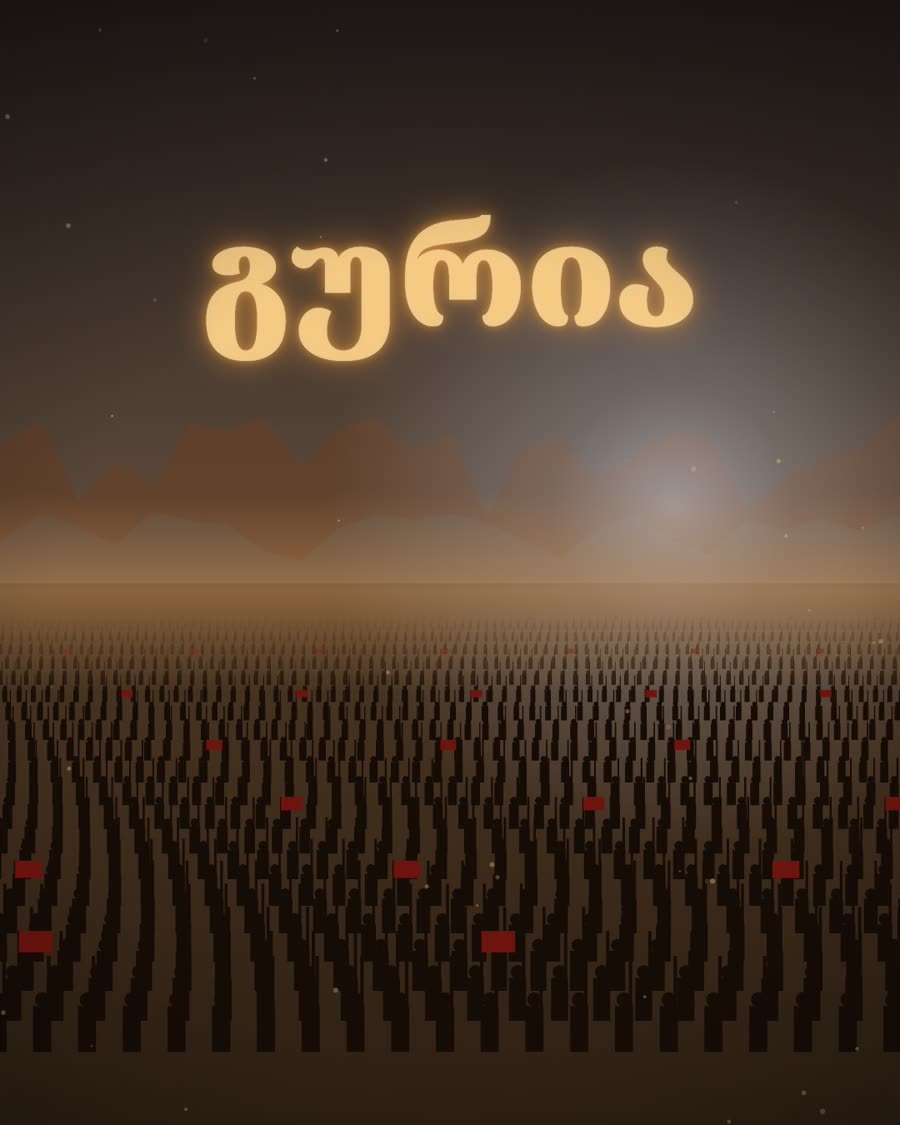
ამბობენ, ერთხელ მტერმა გურიის სოფლები დაარბია და ორმოცი ტყვე წაასხა. ღამით მისი ბანაკი მდინარის პირას იდგა, ტყვეები კი ჯაჭვით ისხდნენ ცეცხლის ირგვლივ.
They say that once an enemy raided the villages of Guria and carried off forty captives. At night its camp lay by the river, and the captives sat in chains around the fire.
ერთმა ბიაძემ, სოფლის საუკეთესო მომღერალმა, ხმალი სახლში დატოვა და ბანაკისკენ მხოლოდ ჩონგურით წავიდა. დარაჯებთან მივიდა, ცეცხლთან ჩამოჯდა და თქვა: „ღამე გრძელია. მოგიმღერებთ.“
A Biadze, the finest singer in the village, left his sword at home and went to the camp with nothing but his chonguri. He came to the guards, sat down by their fire and said: “The night is long. Let me sing for you.”
მთელი ღამე უკრავდა — ნელა, ნაზად, უფრო და უფრო ჩუმად. ჯერ ერთ დარაჯს ჩაეძინა, მერე მეორეს, მერე ყველას. ტყვეები კი ფხიზლად იყვნენ: სიმღერის სიტყვებში ბიაძე მათ ეუბნებოდა, როდის და საით გაქცეულიყვნენ.
All night he played, slowly, softly, quieter and quieter. First one guard fell asleep, then another, then all of them. But the captives stayed awake: in the words of his songs Biadze was telling them when to run, and which way.
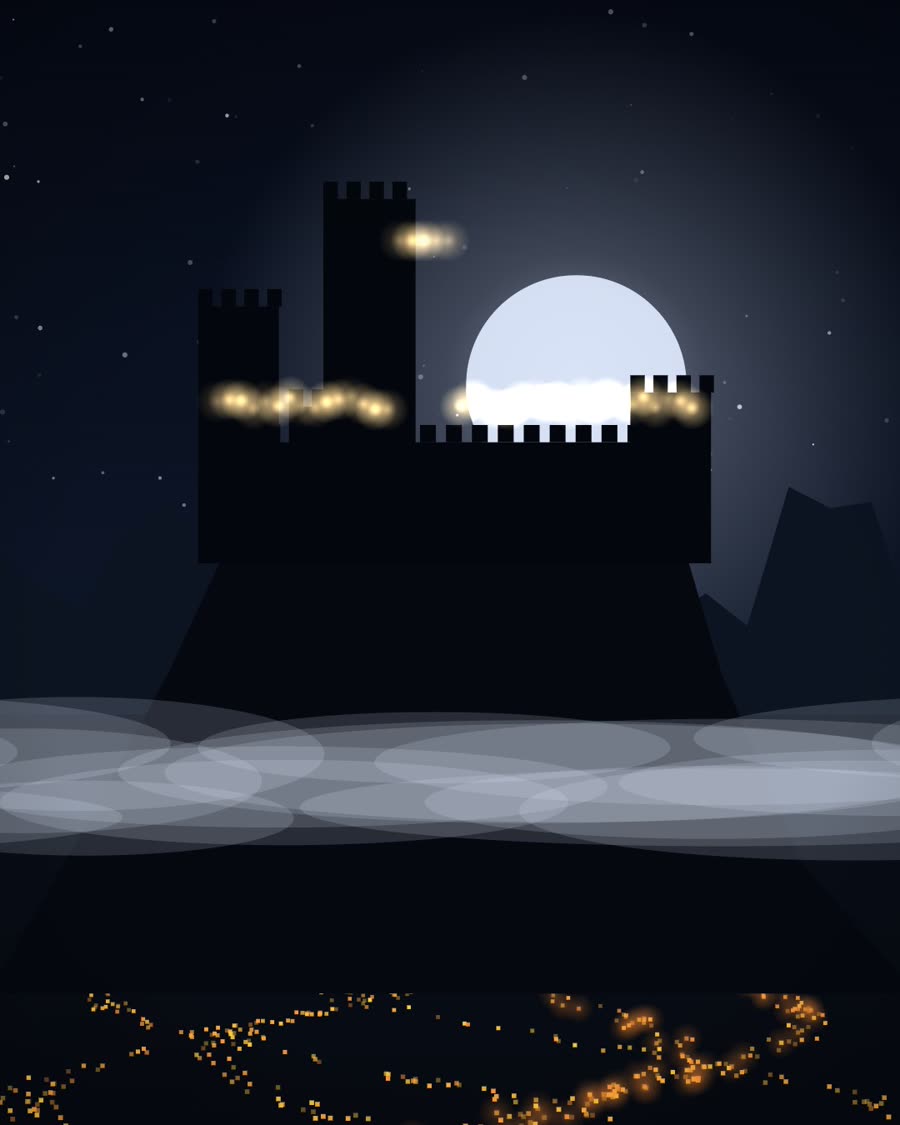
გათენებამდე ორმოცივე ტყვე ტყეში გაუჩინარდა. როცა დარაჯებს გაეღვიძათ, ცეცხლთან მხოლოდ ჩონგური იდო — ბიაძე კი უკვე შინ იყო, თავის ორმოც თანასოფლელთან ერთად.
Before dawn all forty captives had vanished into the forest. When the guards woke, only a chonguri lay by the fire, and Biadze was already home, with his forty fellow villagers.

შენ ბიაძე ხარ. შენი სიმღერა ჯაჭვს ხსნის.
You are a Biadze. Your song breaks chains.
„-ძე“ ქართულად შვილს ნიშნავს; ეს დაბოლოება განსაკუთრებით გავრცელებულია დასავლეთ საქართველოში — იმერეთში, გურიასა და აჭარაში.
“-dze” means son in Georgian; the ending is especially common in western Georgia: Imereti, Guria and Adjara.
ჩონგური დასავლეთ საქართველოს, მათ შორის გურიის, ტრადიციული სიმებიანი საკრავია. ქართული მრავალხმიანი სიმღერა UNESCO-ს არამატერიალური კულტურული მემკვიდრეობის ნაწილია.
The chonguri is a traditional string instrument of western Georgia, Guria among them. Georgian polyphonic singing is part of UNESCO’s Intangible Cultural Heritage.
როგორია ბიაძეების გვარის ისტორია?
„-ძე“ ქართულად შვილს ნიშნავს; ეს დაბოლოება განსაკუთრებით გავრცელებულია დასავლეთ საქართველოში — იმერეთში, გურიასა და აჭარაში. ჩონგური დასავლეთ საქართველოს, მათ შორის გურიის, ტრადიციული სიმებიანი საკრავია. ქართული მრავალხმიანი სიმღერა UNESCO-ს არამატერიალური კულტურული მემკვიდრეობის ნაწილია.
What is the history of the Biadze surname?
“-dze” means son in Georgian; the ending is especially common in western Georgia: Imereti, Guria and Adjara. The chonguri is a traditional string instrument of western Georgia, Guria among them. Georgian polyphonic singing is part of UNESCO’s Intangible Cultural Heritage.
როგორ ვიპოვო ბიაძის ტელეფონის ნომერი?
ჩამოტვირთე Infosha და აკრიფე სახელი და გვარი, მაგალითად „გიორგი ბიაძე“ — შედეგში ტელეფონის ნომერს ნახავ. ძებნა დააზუსტე ქალაქით და პროფესიით. თუ ადამიანი ჯერ არ ჩანს ძებნის შედეგებში, სცადე სხვა დაწერილობაც: Biadze, Биадзе.
How do I find the phone number of someone named Biadze?
Download Infosha and type the first name and the surname, for example “Giorgi Biadze”, and the result shows the phone number. Narrow it down by city and profession. If the person is not in the search results yet, try another spelling: Biadze, Биадзе.
როგორ იწერება ბიაძე ლათინურად და რუსულად?
ლათინურად — Biadze, რუსულად — Биадзе.
How is ბიაძე written in Latin letters and in Russian?
In Latin letters it is Biadze; in Russian, Биадзе.
ამბავი და ვიდეო — Infosha-სგან · Story and video by Infosha