 Infosha
ეს ამბავი გადმოცემაა და ასე მოგითხრობთ. ნამდვილი ისტორია ქვემოთაა. This story is a legend and is told as one. The real history is below.
ამბობენ, ერთ გაზაფხულს, როცა ჭოროხი თოვლის წყლით იყო სავსე, მტრის ლაშქარი ხეობაში ჩამოვიდა. სოფლებამდე მას ერთი დღის სავალიღა დარჩა. ჭოროხის ნაპირზე ძველი ჯებირი იდგა, რომელიც ბაღებსა და ყანებს წყალდიდობისგან იცავდა.
They say that one spring, when the Chorokhi was full of snowmelt, an enemy army came down the valley. Only one day's march was left between it and the villages. On the bank of the Chorokhi stood an old dyke that kept the floods from the orchards and fields.
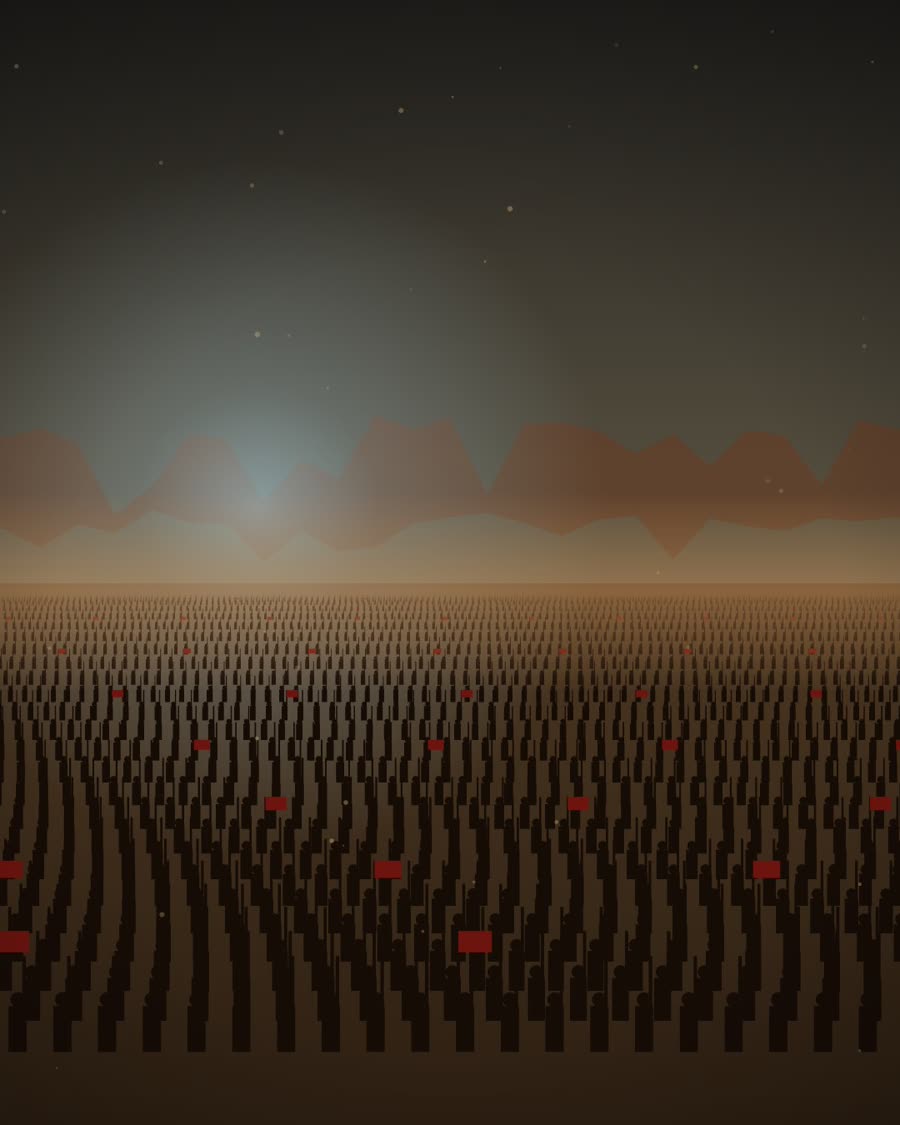
კაცები მტერს შესახვედრად წავიდნენ, მაგრამ ცოტანი იყვნენ. შაინიძეების თექვსმეტი წლის გოგონამ კი ბაბუისგან იცოდა ჯებირის საიდუმლო: მთელი კედელი ერთ მუხის ბოძს ეყრდნობოდა. ღამით ცხენზე შეჯდა და ჩირაღდნით ხელში მდინარისკენ გაქანდა.
The men went out to meet the enemy, but they were few. The Shainidzes' sixteen-year-old daughter, though, knew the dyke's secret from her grandfather: the whole wall rested on a single oak beam. That night she mounted a horse and galloped to the river, torch in hand.
მთელი ღამე ცულით ჩეხდა იმ ბოძს. გარიჟრაჟზე ჯებირმა დაიგმინა და ჭოროხი ხეობას გადაეფინა. ბაღები, ყანები, გზები — ყველაფერი წყალმა დაფარა. მტერსა და სოფლებს შორის ზღვა დადგა.
All night she hacked at that beam with an axe. At dawn the dyke groaned, and the Chorokhi spread out over the valley. Orchards, fields, roads: the water covered everything. Between the enemy and the villages, a sea now lay.
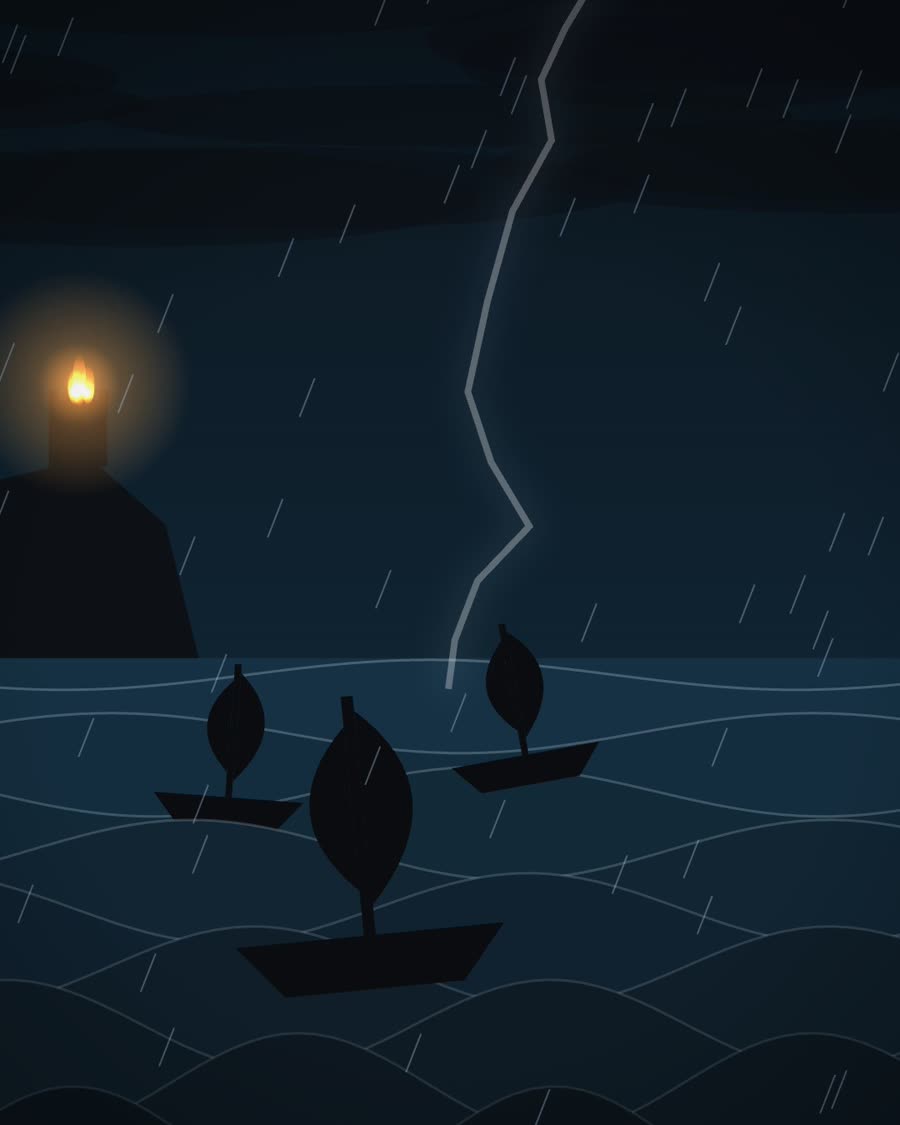
მტრის ლაშქარი წყლის პირას დადგა. ერთ დღეს ელოდა, მეორეს, მესამეს — წყალი არ იკლებდა. ბოლოს მობრუნდა და იქით წავიდა, საიდანაც მოვიდა. სოფლებმა იმ წელს მოსავალი დაკარგეს, მაგრამ ერთი სახლიც არ დამწვარა და ერთი ბავშვიც არავის წაუყვანია.
The enemy army stopped at the water's edge. It waited one day, then a second, then a third: the water did not fall. At last it turned round and went back the way it had come. That year the villages lost their harvest, but not one house was burned, and not one child was taken.

შენ შაინიძე ხარ. შენსა და მტერს შორის ზღვა დგება.
You are a Shainidze. Between you and the enemy, a sea rises.
„-ძე“ ქართულად შვილს ნიშნავს. ასეთი დაბოლოების გვარები განსაკუთრებით დასავლეთ საქართველოშია გავრცელებული.
“-dze” means “son of” in Georgian. Surnames with this ending are especially common in western Georgia.
შაინიძე აჭარაში გავრცელებული გვარია.
Shainidze is a common surname in Adjara.
ჭოროხი აჭარის უდიდესი მდინარეა; ის ბათუმის სამხრეთით შავ ზღვას ერთვის.
The Chorokhi is the largest river of Adjara; it reaches the Black Sea just south of Batumi.
როგორია შაინიძეების გვარის ისტორია?
„-ძე“ ქართულად შვილს ნიშნავს. ასეთი დაბოლოების გვარები განსაკუთრებით დასავლეთ საქართველოშია გავრცელებული. შაინიძე აჭარაში გავრცელებული გვარია.
What is the history of the Shainidze surname?
“-dze” means “son of” in Georgian. Surnames with this ending are especially common in western Georgia. Shainidze is a common surname in Adjara.
როგორ ვიპოვო შაინიძის ტელეფონის ნომერი?
ჩამოტვირთე Infosha და აკრიფე სახელი და გვარი, მაგალითად „მარიამ შაინიძე“ — შედეგში ტელეფონის ნომერს ნახავ. ძებნა დააზუსტე ქალაქით და პროფესიით. თუ ადამიანი ჯერ არ ჩანს ძებნის შედეგებში, სცადე სხვა დაწერილობაც: Shainidze, Шаинидзе.
How do I find the phone number of someone named Shainidze?
Download Infosha and type the first name and the surname, for example “Mariam Shainidze”, and the result shows the phone number. Narrow it down by city and profession. If the person is not in the search results yet, try another spelling: Shainidze, Шаинидзе.
როგორ იწერება შაინიძე ლათინურად და რუსულად?
ლათინურად — Shainidze, რუსულად — Шаинидзе.
How is შაინიძე written in Latin letters and in Russian?
In Latin letters it is Shainidze; in Russian, Шаинидзе.
ამბავი და ვიდეო — Infosha-სგან · Story and video by Infosha