 Infosha
ეს ამბავი გადმოცემაა და ასე მოგითხრობთ. ნამდვილი ისტორია ქვემოთაა. This story is a legend and is told as one. The real history is below.
1202 წელი. ამბობენ, ბასიანის ველზე სულთნის ლაშქარი ისე დაბანაკდა, რომ მისი კარვები ჰორიზონტამდე იყო გადაჭიმული. სულთანი დარწმუნებული იყო, რომ მეფე თამარი ბრძოლას ვერ გაბედავდა.
1202. They say that on the plain of Basiani the sultan's army made camp, its tents stretching to the horizon. The sultan was sure Queen Tamar would never dare to fight.

ღამით, როცა მტრის ბანაკს ეძინა, ერთმა ახალგაზრდა მეომარმა — მას შემდეგ რაზმაძეს უწოდებდნენ — პატარა რაზმი შეკრიბა, სულ რამდენიმე ათეული მხედარი. ბილიკით, რომელიც მხოლოდ მწყემსებმა იცოდნენ, მათ მთას შემოუარეს და მტრის ზურგში აღმოჩნდნენ.
At night, while the enemy camp slept, a young warrior, later called Razmadze, gathered a small troop: only a few dozen riders. By a path only shepherds knew, they circled the mountain and came out behind the enemy.
გამთენიისას, როცა თამარის ჯარმა წინიდან შეუტია, რაზმი ზურგიდან დაეცა მტერს. მტრის რიგებში ხმა გავრცელდა, რომ მეორე ქართული ლაშქარი მოვიდა. მტრის ლაშქარი აირია და უკუიქცა.
At dawn, as Tamar's army attacked from the front, the troop struck the enemy from behind. A cry spread through the enemy lines that a second Georgian army had come. The army broke and fled.
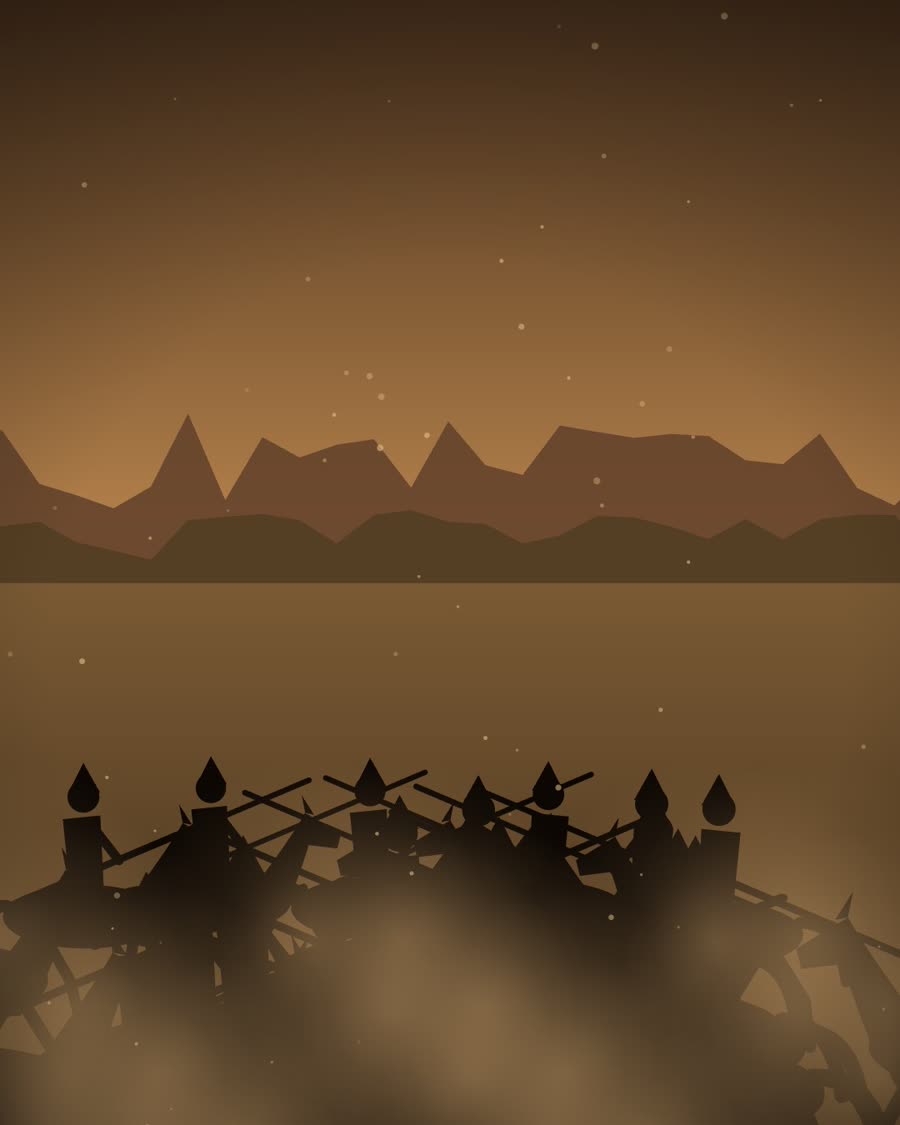
ბასიანთან ქართველებმა დიდი გამარჯვება მოიპოვეს. ამბობენ, ბრძოლის შემდეგ ის რაზმი ერთ ოჯახად ჩათვალეს და რაზმაძეები უწოდეს — რაზმის შვილები.
At Basiani the Georgians won a great victory. They say that after the battle the troop was counted as one family and named the Razmadzes: the sons of the troop.
შენ რაზმაძე ხარ. შენ რაზმი ხარ.
You are a Razmadze. You are a whole troop.
„-ძე“ ქართულად შვილს ნიშნავს. ასეთი დაბოლოების გვარები განსაკუთრებით დასავლეთ საქართველოშია გავრცელებული.
“-dze” means “son of” in Georgian. Surnames with this ending are especially common in western Georgia.
„რაზმი“ ქართულად მეომართა ჯგუფს ნიშნავს. გვარი ამ სიტყვას ჰგავს, თუმცა მისი ზუსტი წარმომავლობა დადგენილი არ არის.
“Razmi” is the Georgian word for a troop of warriors. The surname sounds like it, though its exact origin has not been established.
ბასიანის ბრძოლა 1202 წელს მოხდა: მეფე თამარის ლაშქარმა რუმის სულთნის, რუქნ ად-დინის ჯარი დაამარცხა.
The Battle of Basiani was fought in 1202: Queen Tamar's army defeated the army of Rukn ad-Din, the Seljuk sultan of Rum.
ანდრია რაზმაძე (1889–1929) — მათემატიკოსი, თბილისის სახელმწიფო უნივერსიტეტის ერთ-ერთი დამაარსებელი; დაიბადა ჩხენიშში, სამტრედიის მახლობლად.
Andrea Razmadze (1889–1929): mathematician, one of the founders of Tbilisi State University; born in Chkhenishi, near Samtredia.
როგორია რაზმაძეების გვარის ისტორია?
„-ძე“ ქართულად შვილს ნიშნავს. ასეთი დაბოლოების გვარები განსაკუთრებით დასავლეთ საქართველოშია გავრცელებული. „რაზმი“ ქართულად მეომართა ჯგუფს ნიშნავს. გვარი ამ სიტყვას ჰგავს, თუმცა მისი ზუსტი წარმომავლობა დადგენილი არ არის.
What is the history of the Razmadze surname?
“-dze” means “son of” in Georgian. Surnames with this ending are especially common in western Georgia. “Razmi” is the Georgian word for a troop of warriors. The surname sounds like it, though its exact origin has not been established.
რაზმაძეების ეს ამბავი ნამდვილია?
ეს გადმოცემაა და ასეც მოგითხრობთ. ნამდვილი ისტორია – თარიღები, ადგილები და ადამიანები – ამ გვერდზე, ვიდეოს ქვემოთაა.
Is this Razmadze story true?
It is a legend and is told as one. The real history, with its dates, places and people, is on this page below the video.
როგორ გავუგზავნო ეს ვიდეო ყველა რაზმაძეს?
დააჭირე „გაზიარებას“ ამ გვერდზე ან ჩამოტვირთე ვიდეო და გაუგზავნე Facebook-ზე, Telegram-ში ან WhatsApp-ში.
How do I send this video to every Razmadze I know?
Tap Share on this page, or download the video and send it on Facebook, Telegram or WhatsApp.
ამბავი და ვიდეო — Infosha-სგან · Story and video by Infosha