 Infosha
ეს ამბავი გადმოცემაა და ასე მოგითხრობთ. ნამდვილი ისტორია ქვემოთაა. This story is a legend and is told as one. The real history is below.
1616 წელი. შაჰ-აბასის ლაშქარი კახეთს წვავდა. ერთი სოფლის ქალები და ბავშვები ძველ ქვის კოშკში შეიხიზნენ. ქვემოთ მტერი იდგა, კოშკის ერთადერთ კარს კი ცეცხლი უკვე ეკიდებოდა.
1616. The army of Shah Abbas was burning Kakheti. The women and children of one village took refuge in an old stone tower. The enemy stood below, and the tower's only door was already catching fire.

ამბობენ, კოშკში ერთი ფეიქრიშვილი ქალი იყო, სოფლის მქსოველი. თან საქსოვი დაზგის ძაფები ჰქონდა. ქალებმა ყველაფერი მისცეს, რაც ჰქონდათ — ძაფი, მატყლი, საქორწინო ლეჩაქებიც კი. მან მთელი ღამე ქსოვა და წნა, სანამ თოკი მიწამდე არ გაიზარდა.
They say there was a Peikrishvili woman in the tower, the village weaver, and she had the threads from her loom with her. The women gave her everything they had: thread, wool, even their wedding veils. All night she wove and plaited, until the rope was long enough to reach the ground.
შუაღამისას, კოშკის უკანა მხრიდან, სადაც მტერი ვერ ხედავდა, ის ბავშვებს თოკით ჩაუშვებდა — სათითაოდ, ერთიმეორის მიყოლებით: ერთი, ათი, ოცი, ორმოცი. ქვემოთ, კლდის ძირას, მათ ყოველ ჯერზე ერთი მოხუცი ელოდა და ტყისკენ მიჰყავდა.
At midnight, from the back of the tower where the enemy could not see, she began lowering the children on the rope, one at a time, one after another: one, ten, twenty, forty. At the foot of the rock an old man waited for each one and led them into the forest.
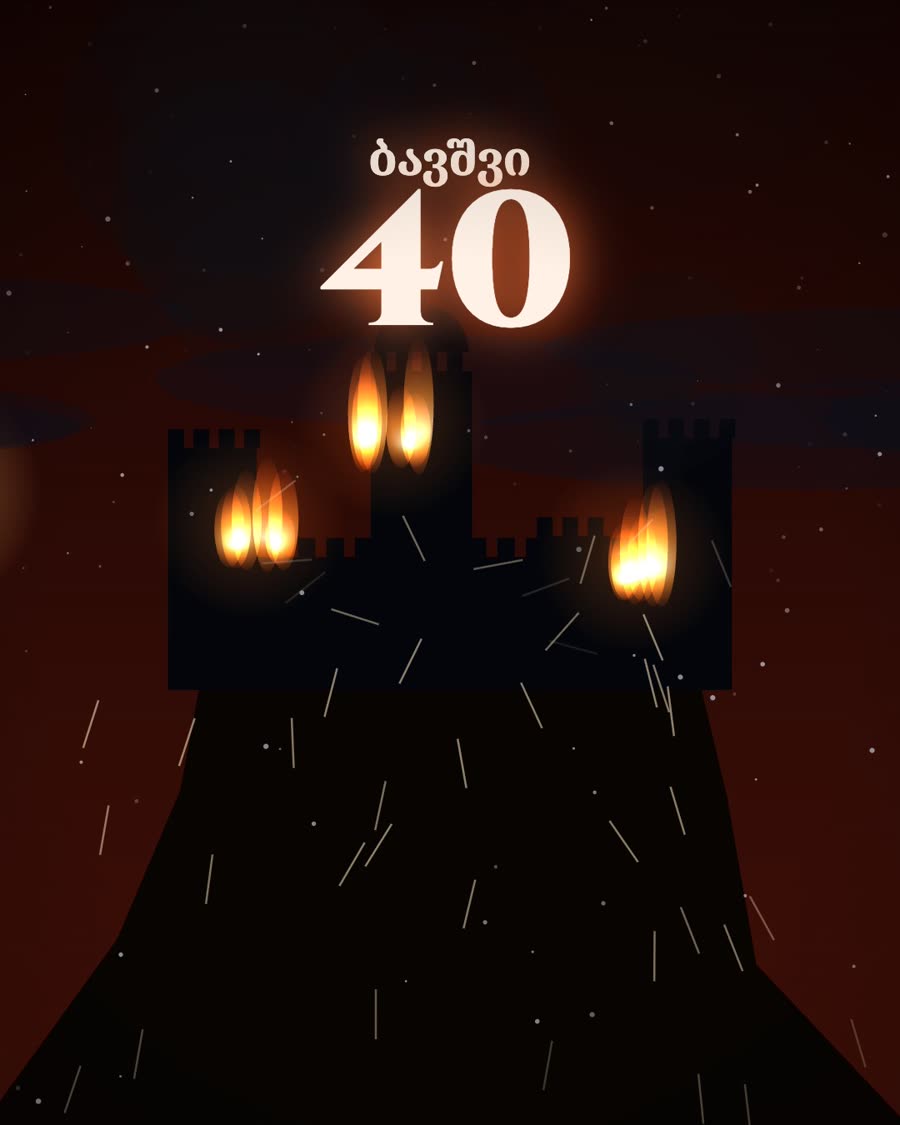
გათენდა. როცა მტერმა კოშკის კარი შეამტვრია, შიგ მხოლოდ ქალები დახვდა. ორმოცივე ბავშვი უკვე ღრმა ტყეში იყო. ამბობენ, ფეიქრიშვილის თოკის ნაჭერს მისი შთამომავლები დიდხანს ინახავდნენ.
Dawn came. When the enemy broke down the tower door, it found only the women inside. All forty children were already deep in the forest. They say the Peikrishvili's descendants kept a piece of that rope for a very long time.

შენ ფეიქრიშვილი ხარ. შენს ძაფზე ორმოცი სული ეკიდა.
You are a Peikrishvili. Forty lives once hung by your thread.
„ფეიქარი“ ძველ ქართულში მქსოველს ნიშნავს, „-შვილი“ — შვილს: ფეიქრიშვილი „მქსოველის შვილია“.
In old Georgian a “peikari” is a weaver, and “-shvili” means child: Peikrishvili is “the weaver's child”.
1614–1616 წლებში შაჰ-აბას I-ის ლაშქრობებმა კახეთი გაავერანა; დაინგრა მისი დედაქალაქი გრემიც.
In 1614–1616 the campaigns of Shah Abbas I laid Kakheti waste; its capital, Gremi, was destroyed.
როგორია ფეიქრიშვილების გვარის ისტორია?
„ფეიქარი“ ძველ ქართულში მქსოველს ნიშნავს, „-შვილი“ — შვილს: ფეიქრიშვილი „მქსოველის შვილია“. 1614–1616 წლებში შაჰ-აბას I-ის ლაშქრობებმა კახეთი გაავერანა; დაინგრა მისი დედაქალაქი გრემიც.
What is the history of the Peikrishvili surname?
In old Georgian a “peikari” is a weaver, and “-shvili” means child: Peikrishvili is “the weaver's child”. In 1614–1616 the campaigns of Shah Abbas I laid Kakheti waste; its capital, Gremi, was destroyed.
როგორ ვიპოვო ფეიქრიშვილის ტელეფონის ნომერი?
ჩამოტვირთე Infosha და აკრიფე სახელი და გვარი, მაგალითად „მარიამ ფეიქრიშვილი“ — შედეგში ტელეფონის ნომერს ნახავ. ძებნა დააზუსტე ქალაქით და პროფესიით. თუ ადამიანი ჯერ არ ჩანს ძებნის შედეგებში, სცადე სხვა დაწერილობაც: Peikrishvili, Feiqrishvili, Peiqrishvili, Пеикришвили.
How do I find the phone number of someone named Peikrishvili?
Download Infosha and type the first name and the surname, for example “Mariam Peikrishvili”, and the result shows the phone number. Narrow it down by city and profession. If the person is not in the search results yet, try another spelling: Peikrishvili, Feiqrishvili, Peiqrishvili, Пеикришвили.
როგორ იწერება ფეიქრიშვილი ლათინურად და რუსულად?
ლათინურად — Peikrishvili (ტელეფონზე ხშირად ასეც წერენ: Feiqrishvili, Peiqrishvili), რუსულად — Пеикришвили.
How is ფეიქრიშვილი written in Latin letters and in Russian?
In Latin letters it is Peikrishvili (people also type Feiqrishvili, Peiqrishvili); in Russian, Пеикришвили.
ამბავი და ვიდეო — Infosha-სგან · Story and video by Infosha