 Infosha
ეს ამბავი გადმოცემაა და ასე მოგითხრობთ. ნამდვილი ისტორია ქვემოთაა. This story is a legend and is told as one. The real history is below.
ჰყვებიან, რომ ერთხელ სამეგრელოს ველზე ორი ლაშქარი შეხვდა ერთმანეთს. ორივე მხარე ომით იყო დაღლილი, მაგრამ უკან დახევა არავის სურდა. ძველი წესით, ბრძოლის ბედი ორ გოლიათს უნდა გადაეწყვიტა.
They say that once two armies met on a plain in Samegrelo. Both sides were weary of war, but neither wanted to retreat. By the old custom, two champions would decide the day.
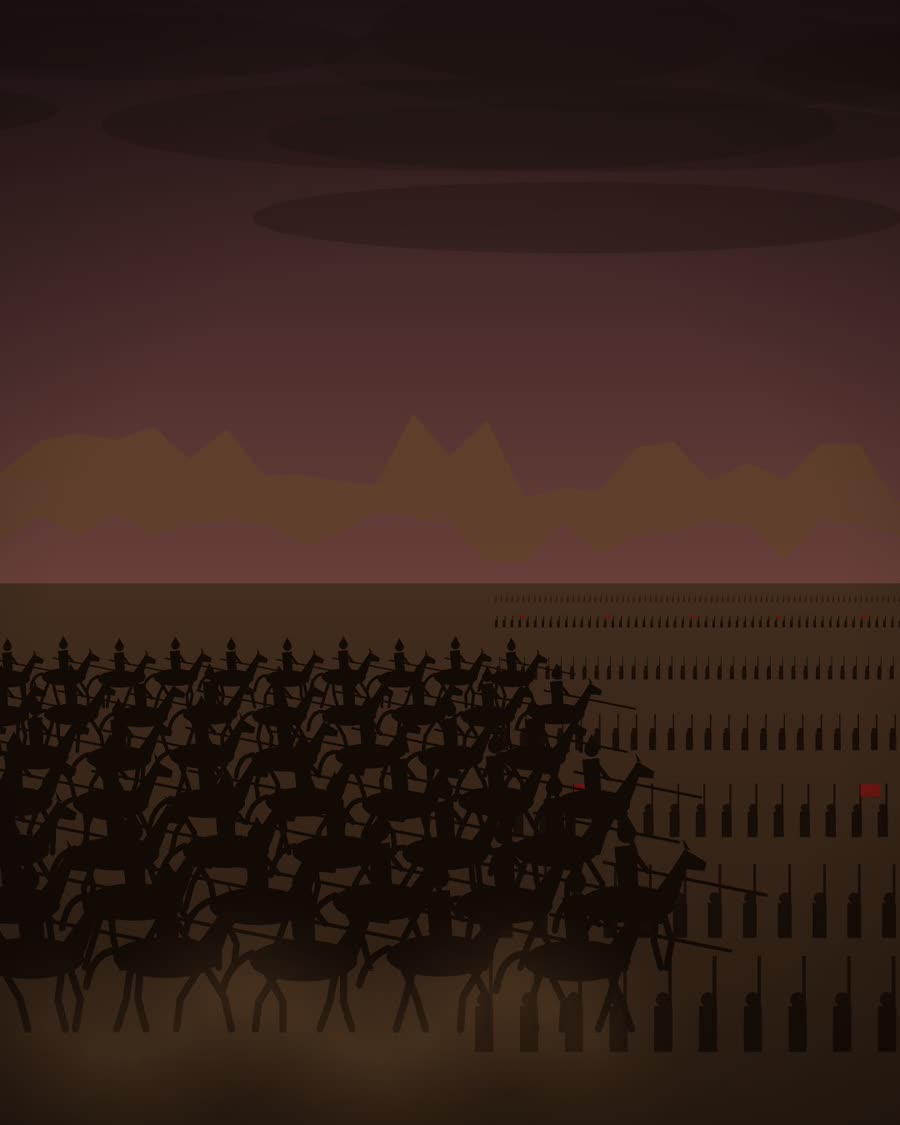
ქართველთა მხრიდან ერთი მიქავა გამოვიდა — მჭედელი, ხმლით, რომელიც თვითონ გამოჭედა. მტრის გოლიათი მასზე ერთი თავით მაღალი იყო. ისინი განთიადზე შეიბნენ და მთელი დღე იბრძოდნენ: ფარები დაემსხვრათ, ხმლები დაებლაგვათ, მაგრამ ვერცერთმა ვერ სძლია მეორეს.
From the Georgian side came a Mikava, a smith, with a sword he had forged himself. The enemy’s champion stood a head taller. They met at dawn and fought all day: their shields shattered and their swords grew blunt, but neither could overcome the other.
როცა მზე ჩავიდა, მიქავამ ხმალი დაუშვა: „შენ ჩემზე ძლიერი არა ხარ, არც მე — შენზე. რისთვის უნდა ხოცოს ერთმანეთი ჩვენმა ხალხმა?“ გოლიათმა დიდხანს უყურა და თავისი ხმალიც მიწაზე დადო.
When the sun went down, the Mikava lowered his sword: “You are no stronger than I am, and I am no stronger than you. Why should our people kill each other?” The champion looked at him for a long time, then laid his own sword on the ground.
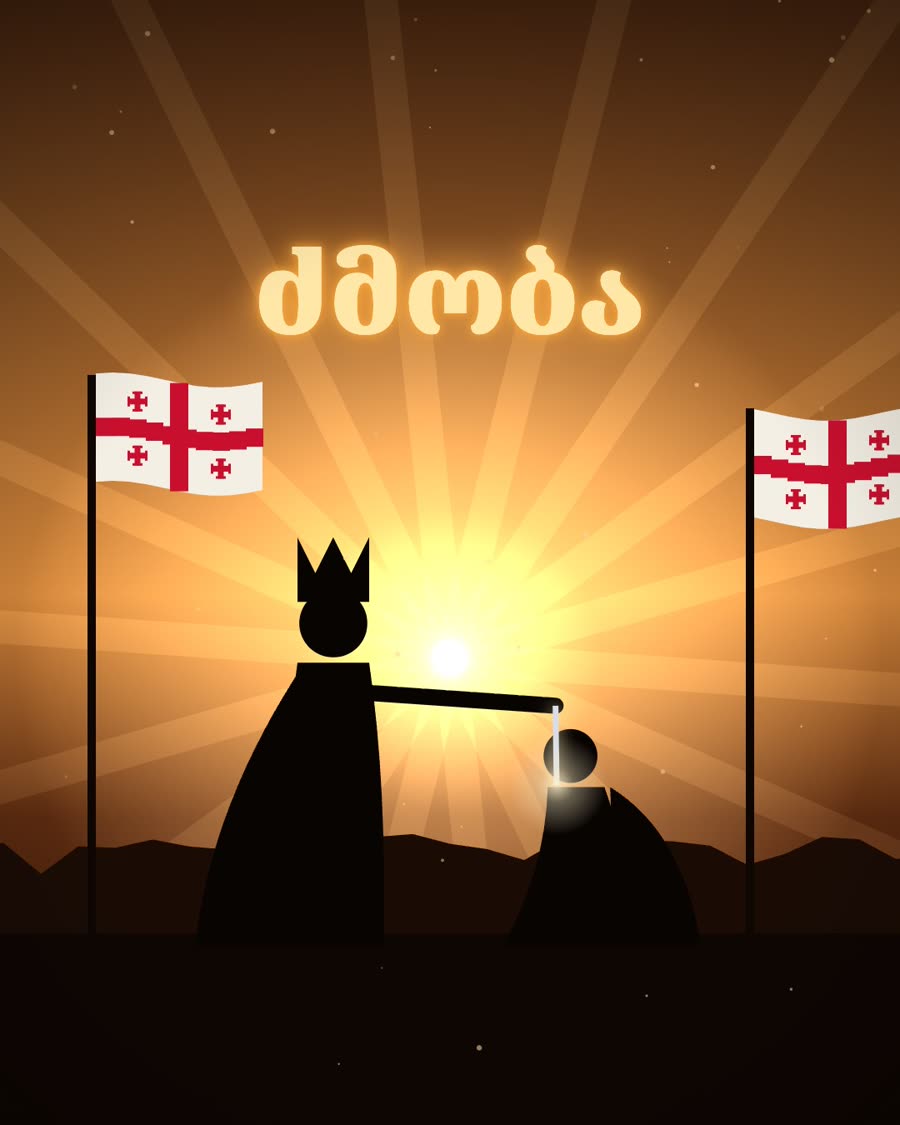
იქვე, ორ ლაშქარს შორის, მათ ძმობა შეფიცეს — ძველი წესით, ერთი თასიდან. მეორე დილით ორივე ლაშქარი შინ წავიდა. ამბობენ, მიქავები და იმ გოლიათის შთამომავლები დიდხანს ერთმანეთს ძმებად თვლიდნენ.
There, between the two armies, they swore brotherhood in the old way, from a single cup. The next morning both armies went home. They say that for a long time the Mikavas and the champion’s descendants counted each other as brothers.
შენ მიქავა ხარ. შენ მტერსაც ძმად აქცევ.
You are a Mikava. You can turn even an enemy into a brother.
„-ავა“ დაბოლოება, ისევე როგორც „-ია“ და „-უა“, მეგრული გვარებისთვისაა დამახასიათებელი — ისინი სამეგრელოდან, დასავლეთ საქართველოდან მოდის.
The ending “-ავა”, like “-ია” and “-უა”, is typical of Megrelian surnames, which come from Samegrelo in western Georgia.
ძმადნაფიცობა ძველი ქართული წესია: ორი კაცი ერთმანეთს ძმობას შეჰფიცავდა და მათი ოჯახები ერთმანეთს ნათესავებად თვლიდნენ.
Sworn brotherhood is an old Georgian custom: two men swore to be brothers, and their families then counted each other as kin.
როგორია მიქავების გვარის ისტორია?
„-ავა“ დაბოლოება, ისევე როგორც „-ია“ და „-უა“, მეგრული გვარებისთვისაა დამახასიათებელი — ისინი სამეგრელოდან, დასავლეთ საქართველოდან მოდის. ძმადნაფიცობა ძველი ქართული წესია: ორი კაცი ერთმანეთს ძმობას შეჰფიცავდა და მათი ოჯახები ერთმანეთს ნათესავებად თვლიდნენ.
What is the history of the Mikava surname?
The ending “-ავა”, like “-ია” and “-უა”, is typical of Megrelian surnames, which come from Samegrelo in western Georgia. Sworn brotherhood is an old Georgian custom: two men swore to be brothers, and their families then counted each other as kin.
მიქავების ეს ამბავი ნამდვილია?
ეს გადმოცემაა და ასეც მოგითხრობთ. ნამდვილი ისტორია – თარიღები, ადგილები და ადამიანები – ამ გვერდზე, ვიდეოს ქვემოთაა.
Is this Mikava story true?
It is a legend and is told as one. The real history, with its dates, places and people, is on this page below the video.
როგორ გავუგზავნო ეს ვიდეო ყველა მიქავას?
დააჭირე „გაზიარებას“ ამ გვერდზე ან ჩამოტვირთე ვიდეო და გაუგზავნე Facebook-ზე, Telegram-ში ან WhatsApp-ში.
How do I send this video to every Mikava I know?
Tap Share on this page, or download the video and send it on Facebook, Telegram or WhatsApp.
ამბავი და ვიდეო — Infosha-სგან · Story and video by Infosha