 Infosha
ეს ამბავი გადმოცემაა და ასე მოგითხრობთ. ნამდვილი ისტორია ქვემოთაა. This story is a legend and is told as one. The real history is below.
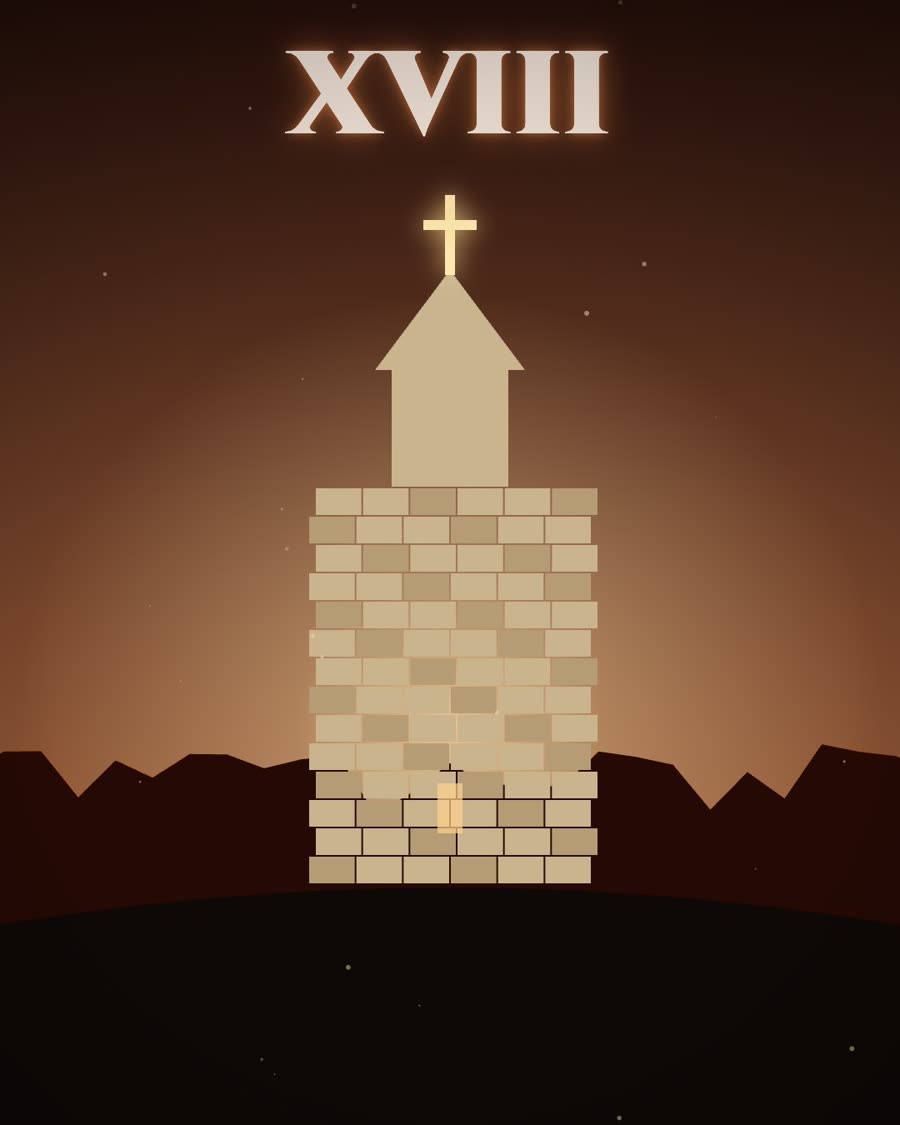
ამბობენ, ეს XVIII საუკუნეში, გორში მოხდა, ციხის ძირას, სადაც ხის სახლები ერთმანეთზე იყო მიჯრილი. მტერმა ქალაქს ცეცხლი წაუკიდა და წავიდა. ქარი ქროდა და ცეცხლი სახლიდან სახლზე გადადიოდა, ქუჩიდან ქუჩაზე — პირდაპირ იქითკენ, სადაც ბავშვები და მოხუცები იყვნენ თავშეფარებულნი.
They say it happened in the 18th century in Gori, below the fortress, where the wooden houses were pressed tight against one another. The enemy set the town on fire and left. The wind was blowing, and the fire leapt from house to house and from street to street, straight toward the quarter where the children and the old people were sheltering.

წყალი არ ჰყოფნიდათ, ხალხი უიმედოდ გარბოდა. მაშინ მეტრეველმა თქვა: „ცეცხლს საჭმელი უნდა წავართვათ“. ცული აიღო და საკუთარ სახლს — მამა-პაპისეულ სახლს — სახურავი ახადა და კედლები ჩამოანგრია. მეზობლებმა მის მაგალითს მიბაძეს.
There was not enough water, and the people were running in despair. Then Metreveli said: “We must take away the fire’s food.” He took his axe and tore the roof off his own house, the house of his forefathers, and brought down its walls. His neighbours followed his example.
ცეცხლი ნანგრევებს მიადგა, ორჯერ აიწია ცაში — და შედგა. გადასასვლელი აღარაფერი ჰქონდა. ცეცხლი თავისივე ნაცარში ჩაქრა.
The fire reached the ruins, twice leapt up into the sky, and stopped. There was nothing left for it to cross to. It died in its own ashes.
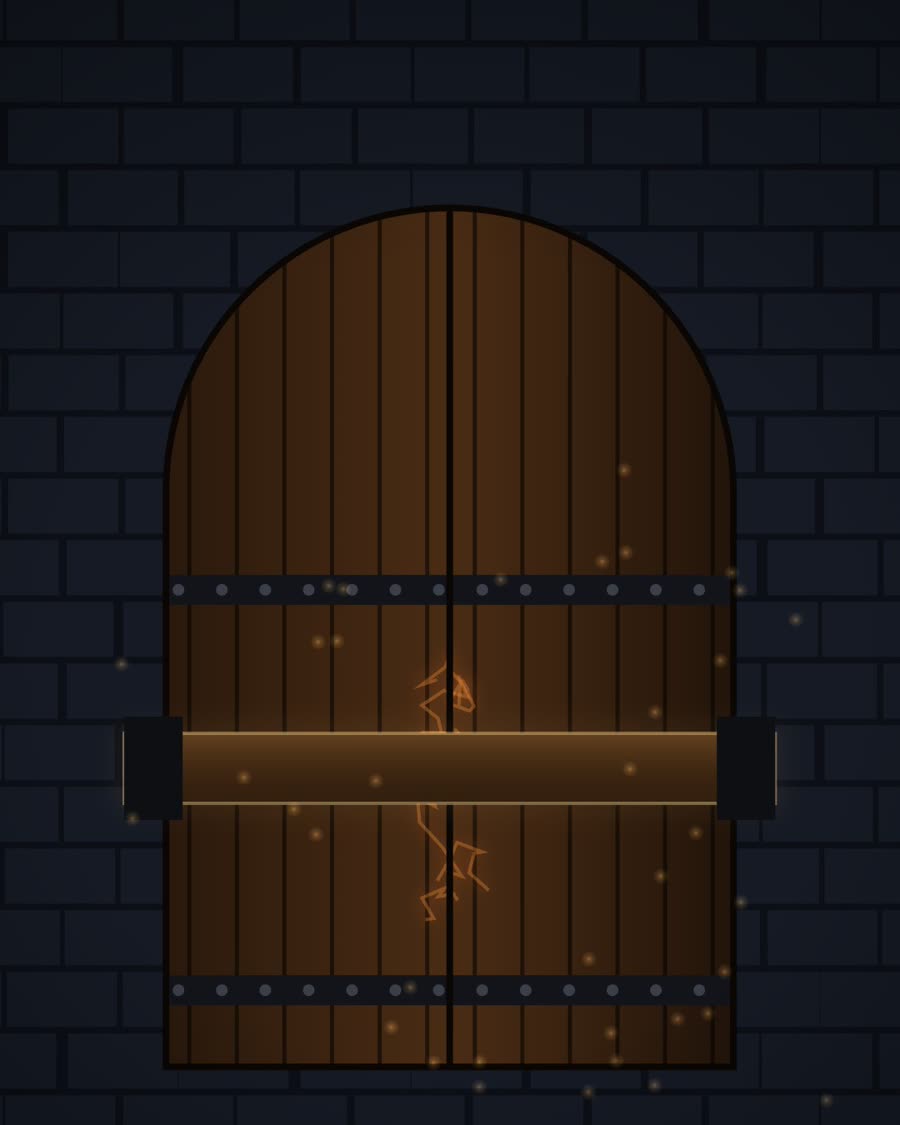
ქალაქის ნახევარი გადარჩა — და ყველა, ვინც იქ იყო. მეტრეველს სახლი აღარ ჰქონდა, მაგრამ ამბობენ, იმ ზამთარს მას ქალაქის ყველა კარი ღიად დახვდა, გაზაფხულზე კი მეზობლებმა მას ახალი სახლი ერთად აუშენეს.
Half the town was saved, and everyone in it. Metreveli had no house any more, but they say that winter every door in the town was open to him, and in spring the neighbours built him a new house together.
შენ მეტრეველი ხარ. შენი სახლი სხვების სახლებს იცავს.
You are a Metreveli. Your home shields the homes of others.
„-ელი“ ქართულ გვარებში ხშირად ადგილს აღნიშნავს, საიდანაც ადამიანი მოდის — ისევე, როგორც „თბილისელი“ ან „ქუთაისელი“.
In Georgian surnames “-eli” often marks the place a person comes from, just as in “Tbiliseli” (from Tbilisi) or “Kutaiseli” (from Kutaisi).
გორი შიდა ქართლის მთავარი ქალაქია; მას ბორცვიდან შუა საუკუნეების გორის ციხე დაჰყურებს.
Gori is the main town of Shida Kartli; the medieval Gori fortress looks down on it from its hill.
სლავა მეტრეველი (1936–1998) — ფეხბურთელი, სსრკ-ის ნაკრებთან ერთად ევროპის ჩემპიონი (1960).
Slava Metreveli (1936–1998): footballer, European champion with the USSR team (1960).
ალექს მეტრეველი (დ. 1944) — ჩოგბურთელი, უიმბლდონის ფინალისტი (1973).
Alex Metreveli (born 1944): tennis player, Wimbledon finalist (1973).
როგორია მეტრეველების გვარის ისტორია?
„-ელი“ ქართულ გვარებში ხშირად ადგილს აღნიშნავს, საიდანაც ადამიანი მოდის — ისევე, როგორც „თბილისელი“ ან „ქუთაისელი“. გორი შიდა ქართლის მთავარი ქალაქია; მას ბორცვიდან შუა საუკუნეების გორის ციხე დაჰყურებს.
What is the history of the Metreveli surname?
In Georgian surnames “-eli” often marks the place a person comes from, just as in “Tbiliseli” (from Tbilisi) or “Kutaiseli” (from Kutaisi). Gori is the main town of Shida Kartli; the medieval Gori fortress looks down on it from its hill.
მეტრეველების ეს ამბავი ნამდვილია?
ეს გადმოცემაა და ასეც მოგითხრობთ. ნამდვილი ისტორია – თარიღები, ადგილები და ადამიანები – ამ გვერდზე, ვიდეოს ქვემოთაა.
Is this Metreveli story true?
It is a legend and is told as one. The real history, with its dates, places and people, is on this page below the video.
როგორ გავუგზავნო ეს ვიდეო ყველა მეტრეველს?
დააჭირე „გაზიარებას“ ამ გვერდზე ან ჩამოტვირთე ვიდეო და გაუგზავნე Facebook-ზე, Telegram-ში ან WhatsApp-ში.
How do I send this video to every Metreveli I know?
Tap Share on this page, or download the video and send it on Facebook, Telegram or WhatsApp.
ამბავი და ვიდეო — Infosha-სგან · Story and video by Infosha