 Infosha
ეს ამბავი გადმოცემაა და ასე მოგითხრობთ. ნამდვილი ისტორია ქვემოთაა. This story is a legend and is told as one. The real history is below.
ამბობენ, ეს ზღვისპირა ერთ სოფელში მოხდა. ღამით ამბავი მოვიდა: მტრის მხედრები მოდიან, დილით აქ იქნებიან. სოფლის კაცები შორს იყვნენ, გასაქცევად კი დრო აღარ რჩებოდა.
They say it happened in a village by the sea. Word came at night: enemy riders were coming and would be there by morning. The village men were far away, and there was no time left to flee.
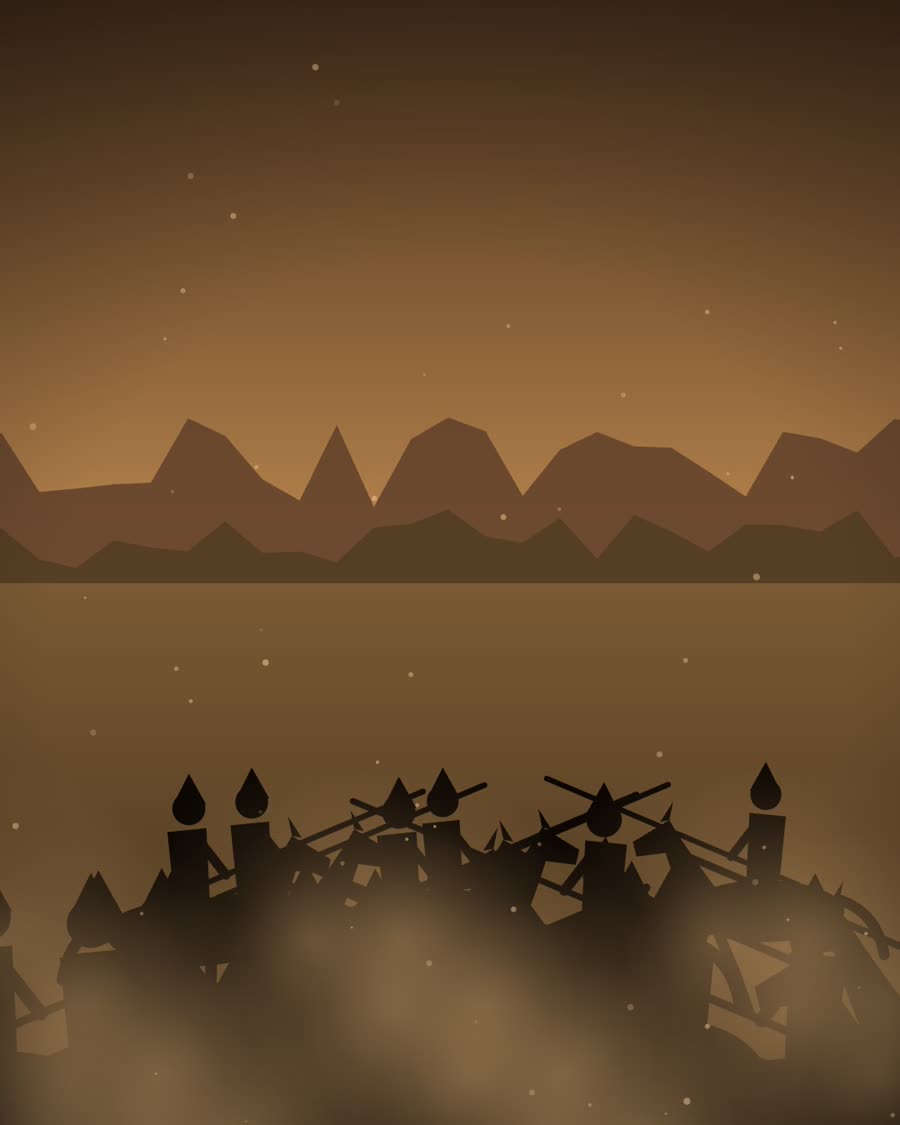
მაშინ კახიძემ, ბრგე და უშიშარმა კაცმა, ყველა კარზე შავი ნაჭერი ჩამოკიდა, ეზოებში ნესტიანი ჩალა დაანთო, რომ სოფელს შავი კვამლი დაჰფენოდა, თვითონ კი სამრეკლოზე ავიდა და მთელი ღამე სამგლოვიარო ზარი რეკა — ნელა, მძიმედ, ისე, როგორც ჭირიანობისას რეკავენ.
Then Kakhidze, a big, fearless man, hung black cloth on every door and lit damp straw in the yards so that black smoke hung over the village. Then he climbed the bell tower and tolled the funeral bell all night, slowly and heavily, the way it tolls in a time of plague.
გათენებისას მტრის მხედრები სოფლის კარს მოადგნენ. კარში მარტო კახიძე დახვდათ, სახეზე ნახშირით წასმული ლაქებით. „ნუ შემოხვალთ, — უთხრა მათ. — აქ ჭირი ტრიალებს.“
At dawn the enemy riders reached the village gate. Only Kakhidze stood there, his face daubed with spots of charcoal. “Do not come in,” he told them. “The plague is here.”

მხედრებმა შავი კარები დაინახეს, კვამლი იყნოსეს, ზარის ხმა გაიგონეს — და ცხენები უკან მოაბრუნეს. სოფელში ერთი მათგანიც არ შესულა.
The riders saw the black doors, smelled the smoke, heard the bell, and turned their horses around. Not a single one of them entered the village.

ამბობენ, იმ საღამოს მთელმა სოფელმა ზარი ხელახლა დარეკა — ოღონდ ამჯერად სიხარულით.
They say that evening the whole village rang the bell again, but this time for joy.
შენ კახიძე ხარ. შენი ჭკუა შენი ფარია.
You are a Kakhidze. Your wits are your shield.
„-ძე“ ქართულად შვილს ნიშნავს. ასეთი დაბოლოების გვარები განსაკუთრებით დასავლეთ საქართველოშია გავრცელებული.
“-dze” means “son of” in Georgian. Surnames with this ending are especially common in western Georgia.
ჯანსუღ კახიძე (1935–2002) — დირიჟორი, კომპოზიტორი და მომღერალი; 1973 წლიდან ორი ათეული წელი საქართველოს სახელმწიფო სიმფონიურ ორკესტრს ხელმძღვანელობდა.
Jansug Kakhidze (1935–2002): conductor, composer and singer; from 1973 he led the Georgian State Symphony Orchestra for two decades.
ვახტანგ კახიძე (დ. 1959) — კომპოზიტორი და დირიჟორი, ჯანსუღ კახიძის ვაჟი.
Vakhtang Kakhidze (born 1959): composer and conductor, the son of Jansug Kakhidze.
როგორია კახიძეების გვარის ისტორია?
„-ძე“ ქართულად შვილს ნიშნავს. ასეთი დაბოლოების გვარები განსაკუთრებით დასავლეთ საქართველოშია გავრცელებული.
What is the history of the Kakhidze surname?
“-dze” means “son of” in Georgian. Surnames with this ending are especially common in western Georgia.
კახიძეების ეს ამბავი ნამდვილია?
ეს გადმოცემაა და ასეც მოგითხრობთ. ნამდვილი ისტორია – თარიღები, ადგილები და ადამიანები – ამ გვერდზე, ვიდეოს ქვემოთაა.
Is this Kakhidze story true?
It is a legend and is told as one. The real history, with its dates, places and people, is on this page below the video.
როგორ გავუგზავნო ეს ვიდეო ყველა კახიძეს?
დააჭირე „გაზიარებას“ ამ გვერდზე ან ჩამოტვირთე ვიდეო და გაუგზავნე Facebook-ზე, Telegram-ში ან WhatsApp-ში.
How do I send this video to every Kakhidze I know?
Tap Share on this page, or download the video and send it on Facebook, Telegram or WhatsApp.
ამბავი და ვიდეო — Infosha-სგან · Story and video by Infosha