 Infosha
ეს ამბავი გადმოცემაა და ასე მოგითხრობთ. ნამდვილი ისტორია ქვემოთაა. This story is a legend and is told as one. The real history is below.
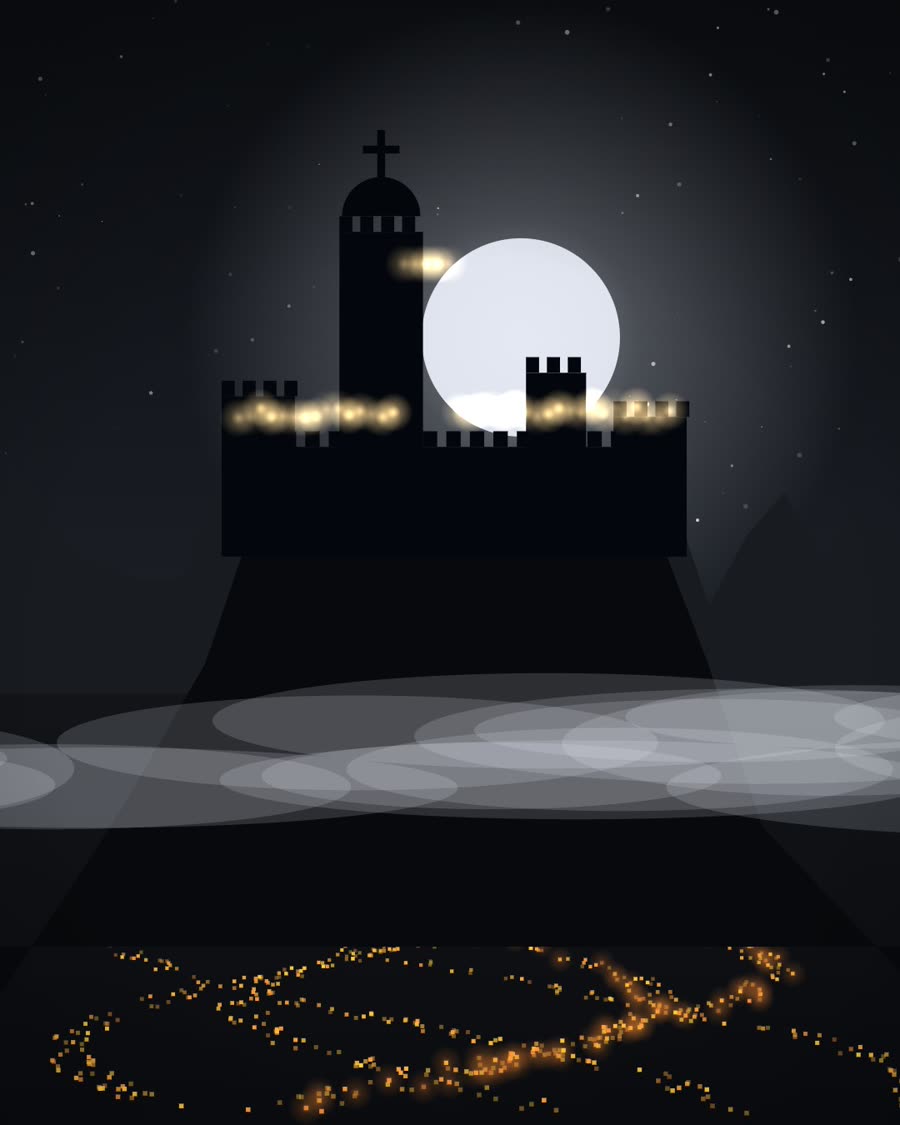
ამბობენ, ერთ ქართულ ციხეს მტერმა ისე შემოარტყა ალყა, რომ ჩიტიც ვერ გაფრინდებოდა. წყაროსკენ მიმავალი გზა მოჭრეს. ციხის კოკები ერთიმეორის მიყოლებით დაცარიელდა, ბოლოს კი ბავშვებს წყალს წვეთ-წვეთად ასმევდნენ.
They say an enemy once encircled a Georgian fortress so tightly that not even a bird could fly out. The path to the spring was cut. One by one the fortress's water jugs ran dry, until at last the children were given water drop by drop.
მაშინ გონგაძემ, ციხის ქვისმთლელმა, ეზოს შუაგულში კლდეს წერაქვი ჩაარტყა. ყველას გაეცინა: „კლდეში წყალს ეძებ?“ ის კი დღისით თხრიდა და ღამით თხრიდა. ორმოცი დღე ჩადიოდა სულ უფრო ღრმად, სიბნელეში, სანთლის შუქზე, და ყოველ დილით ამოტანილ ქვას კედელზე აწყობდა.
Then Gongadze, the fortress stonecutter, swung his pick into the rock in the middle of the courtyard. Everyone laughed: “You're looking for water in a rock?” But he dug by day and he dug by night. For forty days he went deeper and deeper into the dark by candlelight, and every morning he stacked the stone he had brought up on the wall.
მეორმოცე დღეს ციხის უხუცესებმა გადაწყვიტეს, დილით კარი გაეღოთ. იმავე ღამეს ჭის ფსკერიდან წერაქვის რახუნის ნაცვლად სულ სხვა ხმა ამოვიდა — წყლის ჩქრიალი. ქვა გაიპო და ცივმა წყარომ ამოხეთქა.
On the fortieth day the fortress elders decided to open the gate at dawn. That very night, instead of the clang of the pick, a different sound came up from the bottom of the well: the rush of water. The stone split, and a cold spring burst out.
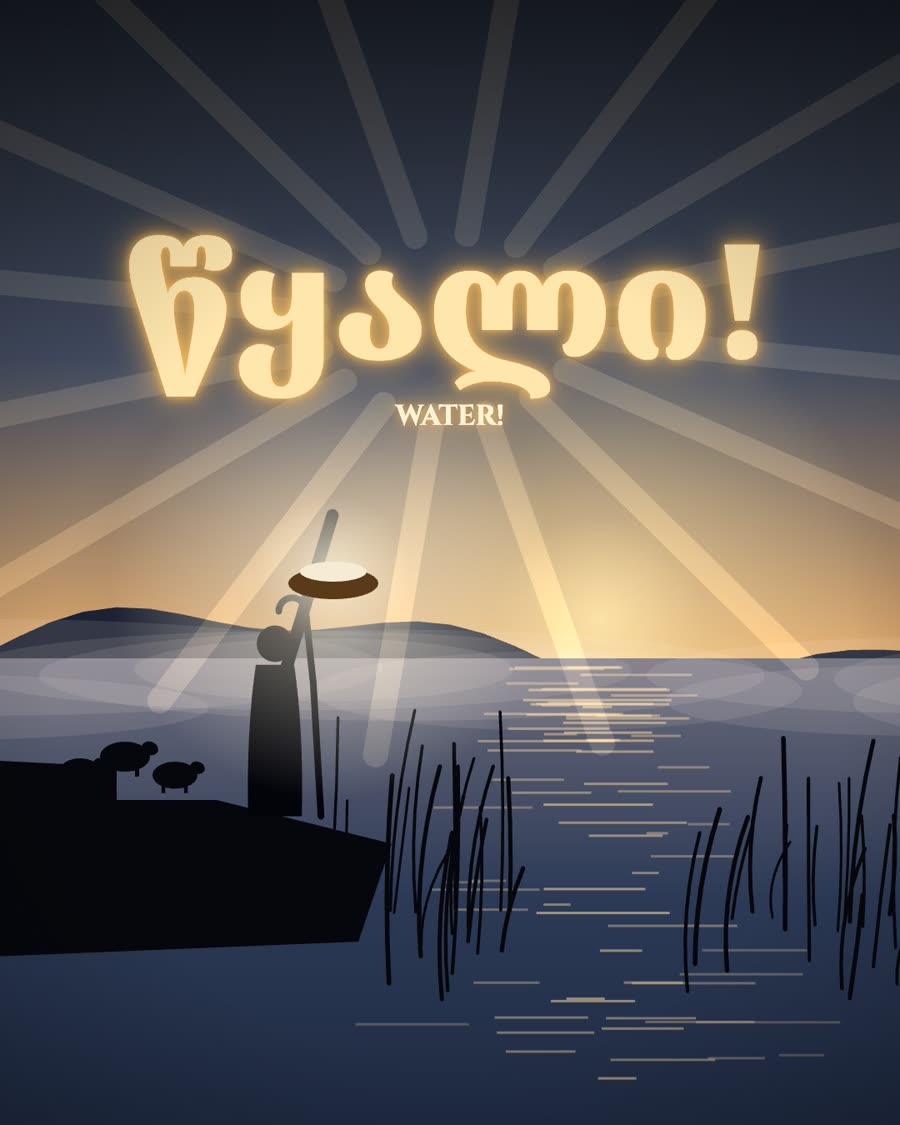
პირველი კოკა ბავშვებს მიუტანეს, მეორე — დაჭრილებს. კარი დაკეტილი დარჩა. მტერი კიდევ დიდხანს იდგა ციხის ძირში, მაგრამ ციხე წყურვილით აღარ კვდებოდა. ბოლოს ალყა მოხსნეს და წავიდნენ. ამბობენ, ის ჭა დღესაც გონგაძის ჭად იწოდება.
The first jug went to the children, the second to the wounded. The gate stayed shut. The enemy stood beneath the walls a long time yet, but the fortress was no longer dying of thirst. At last they lifted the siege and left. They say that well is still called Gongadze's well.
შენ გონგაძე ხარ. სხვას ქვის ხმა ესმის, შენ — წყლისა.
You are a Gongadze. Others hear stone; you hear water.
„-ძე“ ძეს, ანუ შვილს ნიშნავს. ასეთი გვარები ყველაზე ხშირია დასავლეთ საქართველოში.
“-dze” means son. Such surnames are most common in western Georgia.
მამუკა გონგაძე (დ. 1963, თბილისი) — არქიტექტორი და ჰერალდიკოსი, საქართველოს სახელმწიფო გერბის ავტორი.
Mamuka Gongadze (born 1963, Tbilisi): architect and heraldist, author of the state coat of arms of Georgia.
როგორია გონგაძეების გვარის ისტორია?
„-ძე“ ძეს, ანუ შვილს ნიშნავს. ასეთი გვარები ყველაზე ხშირია დასავლეთ საქართველოში.
What is the history of the Gongadze surname?
“-dze” means son. Such surnames are most common in western Georgia.
როგორ ვიპოვო გონგაძის ტელეფონის ნომერი?
ჩამოტვირთე Infosha და აკრიფე სახელი და გვარი, მაგალითად „ლუკა გონგაძე“ — შედეგში ტელეფონის ნომერს ნახავ. ძებნა დააზუსტე ქალაქით და პროფესიით. თუ ადამიანი ჯერ არ ჩანს ძებნის შედეგებში, სცადე სხვა დაწერილობაც: Gongadze, Гонгадзе.
How do I find the phone number of someone named Gongadze?
Download Infosha and type the first name and the surname, for example “Luka Gongadze”, and the result shows the phone number. Narrow it down by city and profession. If the person is not in the search results yet, try another spelling: Gongadze, Гонгадзе.
როგორ იწერება გონგაძე ლათინურად და რუსულად?
ლათინურად — Gongadze, რუსულად — Гонгадзе.
How is გონგაძე written in Latin letters and in Russian?
In Latin letters it is Gongadze; in Russian, Гонгадзе.
ამბავი და ვიდეო — Infosha-სგან · Story and video by Infosha