 Infosha
ეს ამბავი გადმოცემაა და ასე მოგითხრობთ. ნამდვილი ისტორია ქვემოთაა. This story is a legend and is told as one. The real history is below.
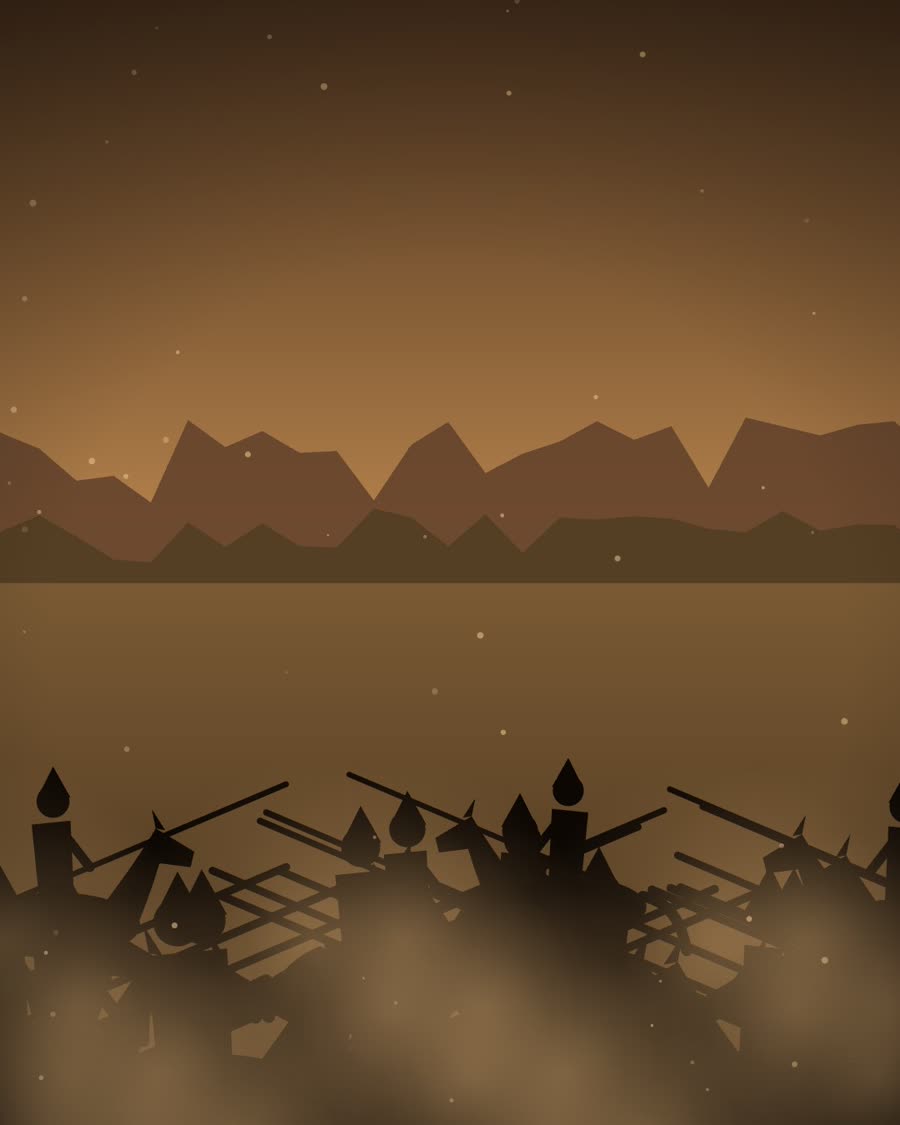
ამბობენ, ეს რაჭის მთებში მოხდა. მეფის ლაშქარი ვიწრო ხეობით მიდიოდა, როცა ღამით, ქარიშხალში, მტერი ჩასაფრებიდან დაესხა. სიბნელეში ვერავინ არჩევდა, სად იყო თავისიანი და სად — მტერი. დილისთვის ლაშქარი ტყეებსა და ხევებში იყო მიმოფანტული: ასობით კაცი, თითოეული მარტო, ერთმანეთის პოვნის იმედის გარეშე.
They say it happened in the mountains of Racha. The king's army was marching up a narrow valley when, at night, in a storm, the enemy fell on it from ambush. In the dark no one could tell friend from foe. By morning the army lay scattered through forests and ravines: hundreds of men, each one alone, with no hope of finding the others.
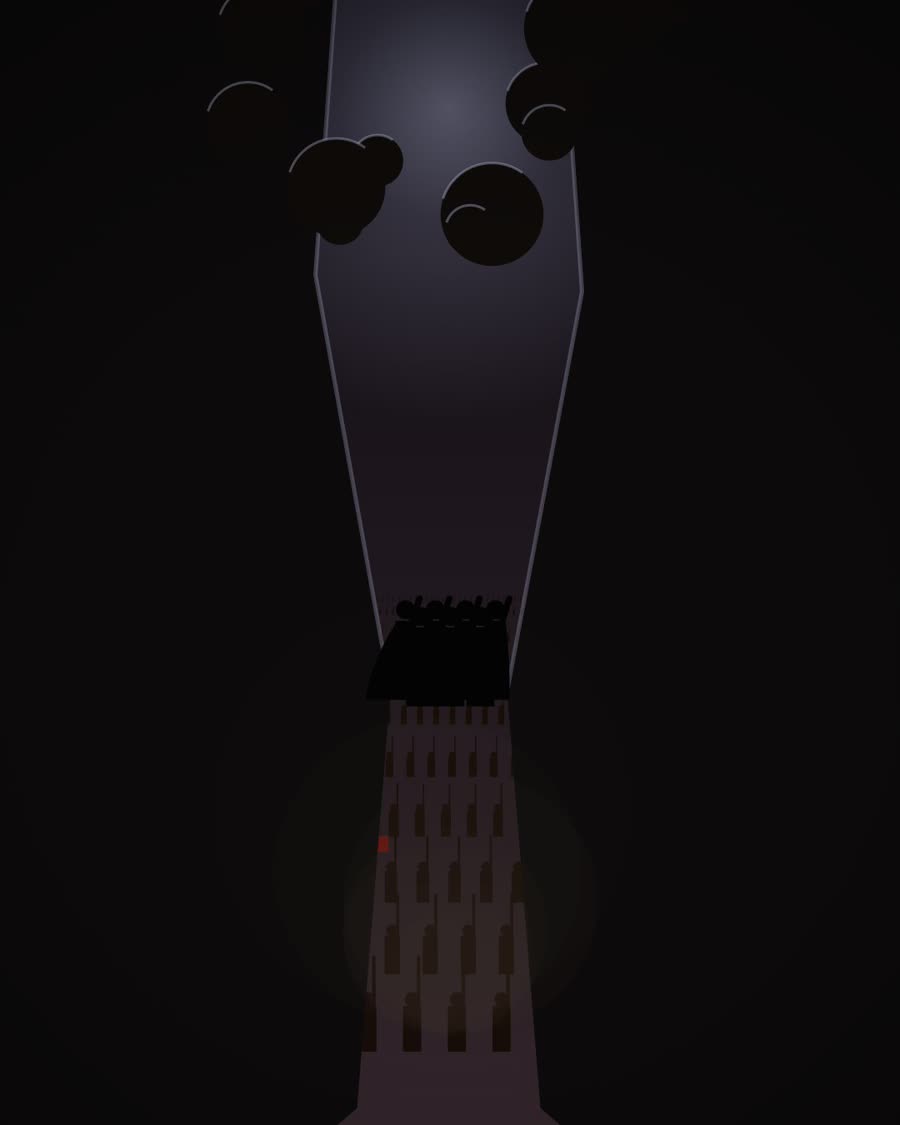
ლაშქარში იყო მონადირე, გოგუაძე, რომელსაც მამისგან დარჩენილი ძველი ბუკი ჰქონდა, ხარის რქისგან გამოთლილი. ამბობდნენ, მისი ხმა სამ ხეობაში ისმისო. გოგუაძე ქარიშხალში ყველაზე მაღალ მწვერვალზე აძვრა — იქ, სადაც თოვლი ზაფხულშიც არ დნებოდა.
In the army was a hunter, a Goguadze, who had an old horn left to him by his father, carved from an ox's horn. People said its voice could be heard in three valleys. Through the storm Goguadze climbed the highest peak, up where the snow never melted, even in summer.
განთიადისას მან ბუკს ჩაბერა. ხმა კლდიდან კლდეს ეხეთქებოდა და ხეობებს ჩასდევდა — ერთხელ, მეორედ, მეასედ. ხევებიდან და ტყეებიდან ჯერ ერთეულები გამოჩნდნენ, მერე ათეულები, მერე ასეულები. ჰყვებიან, რომ გოგუაძეს ბუკისთვის პირი მანამდე არ მოუშორებია, სანამ უკანასკნელი მეომარი არ მოვიდა.
At first light he blew the horn. The sound struck from rock to rock and ran down the valleys: once, twice, a hundred times. Out of the ravines and forests came first a few men, then dozens, then hundreds. They say Goguadze did not take the horn from his lips until the very last warrior had come.
შუადღისას ლაშქარი ისევ ერთად იდგა. მტერი, რომელიც დარწმუნებული იყო, რომ ქართველები გაიფანტნენ, ნადავლს ინაწილებდა, როცა მას ერთ მუშტად შეკრული ლაშქარი დაატყდა თავს. იმ დღეს გამარჯვება ქართველებს დარჩა, ბუკი კი გოგუაძეებმა მამიდან შვილს გადასცეს.
By noon the army stood together again. The enemy, sure that the Georgians had scattered, was sharing out its spoils when an army closed like a single fist fell upon it. That day the victory was Georgia's, and the Goguadzes passed the horn down from father to son.
შენ გოგუაძე ხარ. შენს ძახილზე სამი ხეობა იკრიბება.
You are a Goguadze. Three valleys gather at your call.
„-ძე“ ქართულ გვარებში შვილს ნიშნავს.
“-dze” means son in Georgian surnames.
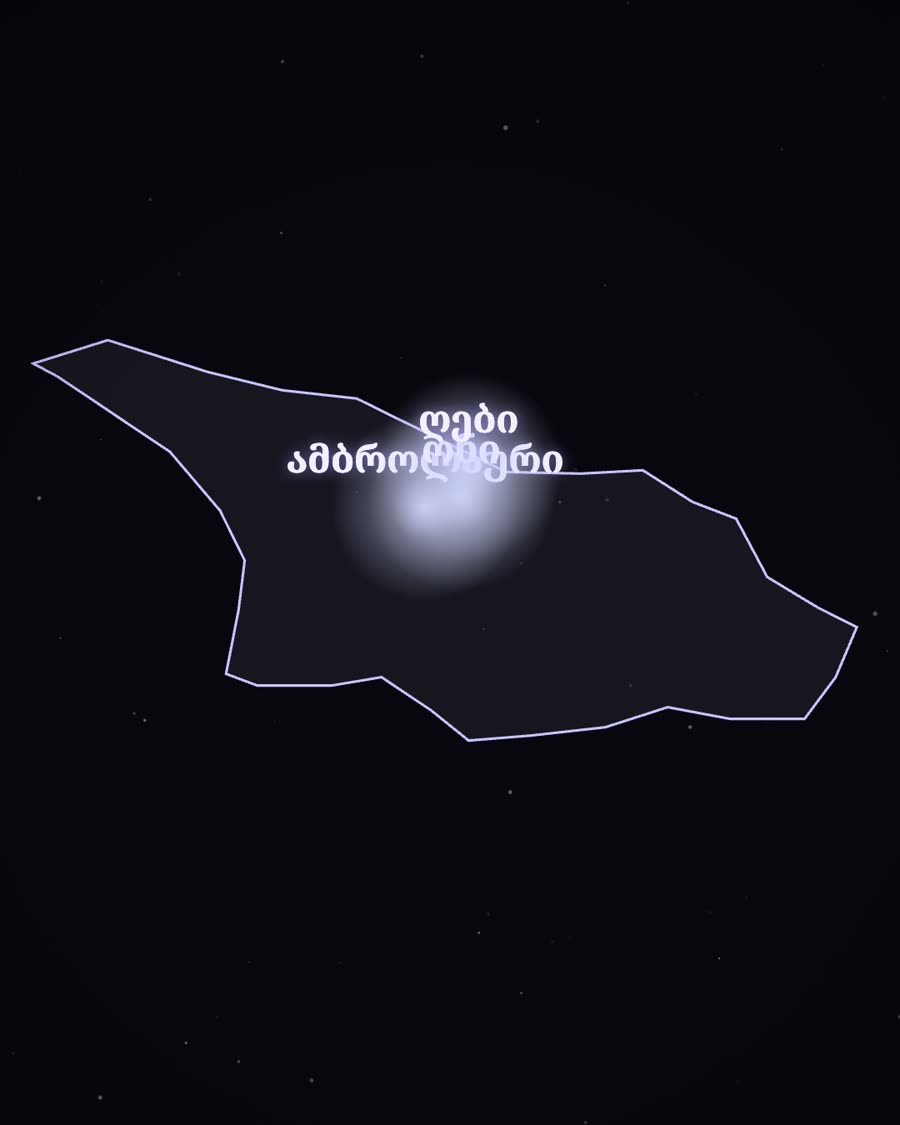
რაჭა საქართველოს ჩრდილო-დასავლეთის მთიანი მხარეა, მდინარე რიონის ზემო წელზე. მისი ქალაქებია ამბროლაური და ონი.
Racha is a mountainous region of north-western Georgia, on the upper Rioni. Its towns are Ambrolauri and Oni.
როგორია გოგუაძეების გვარის ისტორია?
„-ძე“ ქართულ გვარებში შვილს ნიშნავს. რაჭა საქართველოს ჩრდილო-დასავლეთის მთიანი მხარეა, მდინარე რიონის ზემო წელზე. მისი ქალაქებია ამბროლაური და ონი.
What is the history of the Goguadze surname?
“-dze” means son in Georgian surnames. Racha is a mountainous region of north-western Georgia, on the upper Rioni. Its towns are Ambrolauri and Oni.
როგორ ვიპოვო გოგუაძის ტელეფონის ნომერი?
ჩამოტვირთე Infosha და აკრიფე სახელი და გვარი, მაგალითად „ლევან გოგუაძე“ — შედეგში ტელეფონის ნომერს ნახავ. ძებნა დააზუსტე ქალაქით და პროფესიით. თუ ადამიანი ჯერ არ ჩანს ძებნის შედეგებში, სცადე სხვა დაწერილობაც: Goguadze, Гогуадзе.
How do I find the phone number of someone named Goguadze?
Download Infosha and type the first name and the surname, for example “Levan Goguadze”, and the result shows the phone number. Narrow it down by city and profession. If the person is not in the search results yet, try another spelling: Goguadze, Гогуадзе.
როგორ იწერება გოგუაძე ლათინურად და რუსულად?
ლათინურად — Goguadze, რუსულად — Гогуадзе.
How is გოგუაძე written in Latin letters and in Russian?
In Latin letters it is Goguadze; in Russian, Гогуадзе.
ამბავი და ვიდეო — Infosha-სგან · Story and video by Infosha