 Infosha
ეს ამბავი გადმოცემაა და ასე მოგითხრობთ. ნამდვილი ისტორია ქვემოთაა. This story is a legend and is told as one. The real history is below.
1553 წელი, სამცხე. მტრის ლაშქარი სოფელ-სოფელ დადიოდა და მძევლებს კრებდა. ერთ დილას მტრის მეთაური სოფელს მიადგა და ბრძანა: ყველა ბავშვი მომგვარეთო.
1553, Samtskhe. The enemy army went from village to village gathering hostages. One morning the enemy commander rode into a village and ordered: bring me all the children.
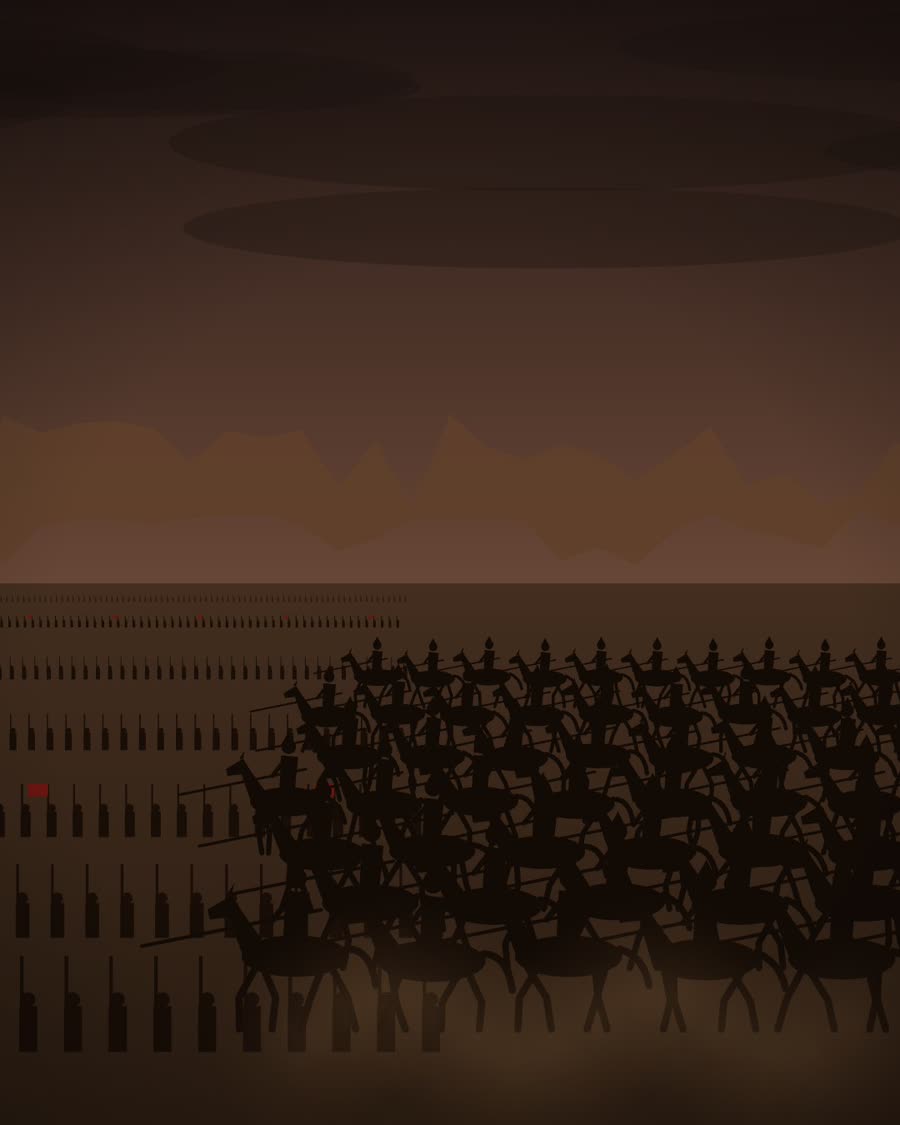
დედები ბავშვებს კალთებში მალავდნენ. ამბობენ, მაშინ წინ ერთი დიასამიძე გამოვიდა, სოფლის პატრონი, და მეთაურს უთხრა: „ბავშვები ვერაფერს მოგცემენ. მე წამიყვანეთ — ჩემი სიტყვა მთელ სოფელს ეყოფა“.
The mothers hid their children in their skirts. They say that then a Diasamidze stepped forward, the lord of the village, and told the commander: “Children can give you nothing. Take me: my word is worth the whole village.”
მეთაურმა დიდხანს უყურა, მერე თავი დაუქნია. დიასამიძე ცხენზე შესვეს და შორეულ გზას გაუყენეს. ის შინ აღარ დაბრუნებულა.
The commander looked at him for a long time, then nodded. They set Diasamidze on a horse and led him away down a long, far road. He never came home.

სოფლის ბავშვები კი დედებთან დარჩნენ. გაიზარდნენ, ოჯახები შექმნეს და, ამბობენ, შვილებს ყოველთვის ეუბნებოდნენ: ერთი კაცის გულით ვართ ცოცხლებიო.
And the village children stayed with their mothers. They grew up and had families of their own, and they say they always told their children: we are alive because of one man's heart.

შენ დიასამიძე ხარ. სხვის შვილებსაც შენ იცავ.
You are a Diasamidze. You guard other people's children too.
„-ძე“ ქართულ გვარებში „შვილს“ ნიშნავს. ასეთი გვარები განსაკუთრებით დასავლეთ და სამხრეთ საქართველოშია გავრცელებული.
“-dze” in Georgian surnames means “son”. Such names are most common in western and southern Georgia.
დიასამიძეები ძველი ქართული საგვარეულოა, რომელიც 1443 წლიდან არის ცნობილი. მათი მამული სამცხეში, ასპინძის მიდამოებში მდებარეობდა. 1553 წელს შაჰ თამაზ I-მა საგვარეულოს რამდენიმე წევრი ირანში გადაასახლა, XVI საუკუნის ბოლოს კი ზოგი დიასამიძე ქართლსა და კახეთში გადავიდა.
The Diasamidzes are an old Georgian noble family, known since 1443. Their estates lay in Samtskhe, around Aspindza. In 1553 Shah Tahmasp I deported several members of the family to Iran, and in the late 16th century some Diasamidzes moved to Kartli and Kakheti.
1850 წელს რუსეთის იმპერიამ დიასამიძეები თავადებად ცნო.
In 1850 the Russian Empire recognised the Diasamidzes as princes.
ნიაზ დიასამიძე (დ. 1973) — მუსიკოსი, ჯგუფ „33ა“-ს დამფუძნებელი და სოლისტი.
Niaz Diasamidze (born 1973): musician, founder and lead singer of the band 33a.
როგორია დიასამიძეების გვარის ისტორია?
„-ძე“ ქართულ გვარებში „შვილს“ ნიშნავს. ასეთი გვარები განსაკუთრებით დასავლეთ და სამხრეთ საქართველოშია გავრცელებული. დიასამიძეები ძველი ქართული საგვარეულოა, რომელიც 1443 წლიდან არის ცნობილი. მათი მამული სამცხეში, ასპინძის მიდამოებში მდებარეობდა. 1553 წელს შაჰ თამაზ I-მა საგვარეულოს რამდენიმე წევრი ირანში გადაასახლა, XVI საუკუნის ბოლოს კი ზოგი დიასამიძე ქართლსა და კახეთში გადავიდა.
What is the history of the Diasamidze surname?
“-dze” in Georgian surnames means “son”. Such names are most common in western and southern Georgia. The Diasamidzes are an old Georgian noble family, known since 1443. Their estates lay in Samtskhe, around Aspindza. In 1553 Shah Tahmasp I deported several members of the family to Iran, and in the late 16th century some Diasamidzes moved to Kartli and Kakheti.
დიასამიძეების ეს ამბავი ნამდვილია?
ეს გადმოცემაა და ასეც მოგითხრობთ. ნამდვილი ისტორია – თარიღები, ადგილები და ადამიანები – ამ გვერდზე, ვიდეოს ქვემოთაა.
Is this Diasamidze story true?
It is a legend and is told as one. The real history, with its dates, places and people, is on this page below the video.
როგორ გავუგზავნო ეს ვიდეო ყველა დიასამიძეს?
დააჭირე „გაზიარებას“ ამ გვერდზე ან ჩამოტვირთე ვიდეო და გაუგზავნე Facebook-ზე, Telegram-ში ან WhatsApp-ში.
How do I send this video to every Diasamidze I know?
Tap Share on this page, or download the video and send it on Facebook, Telegram or WhatsApp.
ამბავი და ვიდეო — Infosha-სგან · Story and video by Infosha